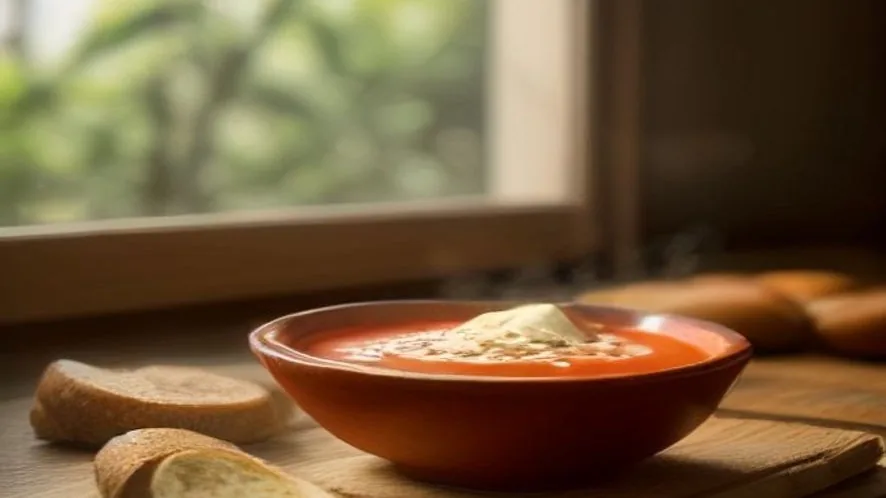
Short answer: The ideal bread to serve with soup is crusty and absorbent, such as sourdough, baguette, or rye. These breads hold up well when dipped and complement various soup textures and flavors without turning soggy too quickly.
Choosing the right bread to accompany soup is a common question because bread can enhance or detract from the meal. Bread that is too soft or thin will quickly become soggy and fall apart, while dense, crusty breads absorb soup well and add texture contrast. This is due to the bread’s crumb structure and crust integrity, which affect how much liquid it can hold without collapsing.
This page explains which breads pair best with different soups and why. It helps cooks select breads that complement soup flavors, maintain texture when dipped, and improve the overall dining experience. Whether serving a light broth or a creamy chowder, this guide provides practical advice for bread choices.
Written by Anisha Akter · Updated 14 September 2026
what bread goes with soup
The ideal bread to serve with soup is crusty and absorbent, like sourdough, baguette, or rye, which hold up well when dipped and complement soup flavors without becoming mushy quickly.
Bread texture and composition determine how well it pairs with soup. Crusty breads such as sourdough and baguette have a firm outer crust that resists immediate sogginess, while their open crumb structure absorbs liquid slowly, allowing for dipping without falling apart. Rye bread, denser and with a tighter crumb, adds a robust flavor and can stand up to hearty soups. Softer breads with tight crumb, like sandwich bread, absorb liquid too quickly and collapse, ruining the texture experience. The bread’s pH and fermentation also influence flavor compatibility with various soups. For example, sourdough’s mild acidity can balance rich, creamy soups, while rye’s earthiness complements beef or mushroom soups. Toasting bread slightly firms the crust and crumb, further improving its dipping performance by creating a barrier that slows liquid absorption. Also, bread made with longer fermentation develops stronger gluten networks, enhancing its structural integrity when dipped in hot liquids.
Choose breads with a thick crust and open crumb for dipping. Toasting slices slightly adds firmness, extending the time before sogginess occurs. Avoid very soft sandwich breads for dipping; reserve them for serving alongside instead.
How to choose and serve bread with soup
- Store bread in a paper bag to maintain crust crispness, avoiding plastic bags which soften crusts.
- Slice bread just before serving to keep it fresh and prevent drying out.
- Toast bread lightly to increase resistance to sogginess when dipped in soup.
- Avoid overly thin slices; thicker slices hold soup better without falling apart.
- Pair bread flavor profiles with soup ingredients to avoid clashes, such as rye with beef stew or sourdough with tomato soup.
Recipes that use this
Frequently Asked Questions
Can gluten-free bread work well with soup?
Gluten-free breads vary widely in texture and composition; many lack the strong gluten network that provides elasticity and structure, often resulting in a denser, crumbly texture that absorbs liquid quickly and falls apart. To improve performance, select gluten-free breads with added binders like xanthan gum or psyllium husk, and consider lightly toasting slices to create a firmer crust that resists sogginess during dipping.
What bread is best for creamy soups?
Hearty breads such as sourdough or baguette are ideal for creamy soups because their thick crust and open crumb absorb rich liquids slowly, preventing rapid sogginess. Their mild flavor profiles complement creamy textures without overpowering them. Additionally, toasting the bread slightly can add a pleasant crunch and structural integrity, enhancing the overall eating experience with creamy soups like chowders or bisques.
Is it better to dip bread in soup or serve it on the side?
Dipping bread into soup enhances flavor and texture by combining the bread’s absorbency with the soup’s taste, creating a harmonious bite. However, this can cause bread to become soggy quickly, especially with delicate breads. Serving bread on the side preserves its texture throughout the meal, allowing diners to control moisture levels. The choice depends on personal preference and the bread’s sturdiness; crusty breads tolerate dipping better than soft breads.

Hi! I’m the creator of scooks (Simple Cooks).I share easy, practical recipes and simple cooking ideas to help you enjoy everyday home cooking with confidence.
Happy cooking! 🍽️