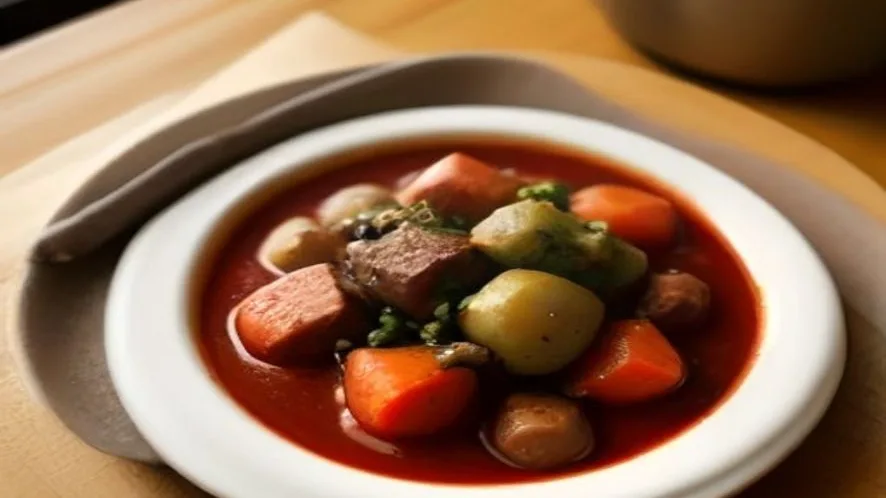
Short answer: Yes, you can freeze beef stew by cooling it to below 5°C (41°F) and storing it in airtight containers or freezer bags. It keeps well for up to 3 months. Proper freezing preserves flavor and texture, preventing spoilage and bacterial growth.
Beef stew is a hearty dish that often makes more than one meal, so freezing leftovers is a common question. Freezing halts bacterial growth by lowering the temperature below -18°C (0°F), preserving the stew’s quality if done correctly. However, improper freezing can cause texture changes or freezer burn, which degrade flavor and mouthfeel.
This page explains how to freeze beef stew safely and effectively, then covers how to reheat steak and roast beef without overcooking or drying them out. It is aimed at home cooks who want to store beef dishes properly and enjoy them later with good texture and flavor.
Written by Anisha Akter · Updated 13 September 2026
On this page
Can you freeze beef stew
Yes, beef stew can be frozen safely if cooled quickly and stored in airtight containers at -18°C (0°F) or below. It maintains quality for up to 3 months.
Beef stew is a mixture of cooked meat, vegetables, and broth or gravy. After cooking, it must be cooled quickly to below 5°C (41°F) within two hours to prevent bacterial growth. Freezing at -18°C (0°F) or lower halts microbial activity and slows enzymatic reactions that cause spoilage. Using airtight containers or vacuum-sealed bags minimizes moisture loss and freezer burn, which occurs when water sublimates from the food’s surface, causing dry, tough patches. While freezing preserves safety indefinitely, the quality of beef stew is best within 3 months as prolonged freezing can cause texture degradation and flavor loss due to ice crystal formation breaking down cell structures.
Divide stew into small portions and cool them rapidly in shallow containers before sealing airtight for freezing to preserve texture and flavor.
How to reheat steak without overcooking
Reheat steak gently using low heat methods like an oven at 120°C (250°F) or sous vide to warm through without increasing internal temperature beyond medium rare or medium.
Steak’s texture depends on the state of muscle proteins and connective tissue, which tighten when heated above about 60°C (140°F), causing toughness. Rapid reheating, especially with microwaves or direct stovetop heat, raises the internal temperature quickly and unevenly, overcooking the steak. Slow reheating methods such as an oven set to 120°C (250°F) or sous vide at 54-57°C (130-135°F) gently raise the temperature to the desired level without overshooting. This preserves juiciness and tenderness. Resting the steak after reheating allows juices to redistribute evenly within the meat fibers, improving mouthfeel.
Wrap steak in foil and reheat in a low oven or use a sous vide bath at the target temperature, avoiding microwaves or high direct heat that cause overcooking.
How to reheat roast beef without drying
Reheat roast beef covered with foil at 160°C (320°F) for 15-20 minutes, adding a splash of broth or water to maintain moisture and prevent drying.
Roast beef contains muscle fibers that lose moisture when heated above 65°C (149°F), causing drying. Reheating in a dry oven environment accelerates moisture loss due to evaporation. Covering the meat with foil traps steam, creating a moist atmosphere that slows water evaporation. Adding a small amount of broth or water to the roasting pan increases humidity and helps retain juiciness. Compared to microwave reheating, which can create uneven hot spots and toughen the meat, oven reheating provides gentle, even heat penetration. Monitoring the internal temperature to keep it below 65°C (149°F) ensures the beef stays tender and moist.
Place roast beef in a covered dish with broth or water, then reheat gently in the oven rather than microwave or direct heat for best moisture retention.
How to avoid common beef storage and reheating issues
- Cool beef stew to below 5°C (41°F) within two hours before freezing to prevent bacterial growth.
- Use airtight, freezer-safe containers or bags with minimal air to avoid freezer burn on beef stew.
- Label containers with freezing dates and use within 3 months for best quality.
- Reheat steak and roast beef slowly at low temperatures to avoid overcooking and drying out.
- Avoid microwaving steak or roast beef directly as it causes uneven heating and toughness.
- Thaw frozen beef stew in the refrigerator overnight, not at room temperature, to maintain safety and texture.
Recipes that use this
Frequently Asked Questions
Can you freeze beef stew with potatoes in it?
Yes, you can freeze beef stew with potatoes, but potatoes tend to change texture after freezing due to starch retrogradation and water crystallization. They may become grainy or mushy upon reheating. Using waxy potatoes and cooking them until just tender before freezing helps reduce these changes, maintaining better texture.
Is it safe to refreeze thawed beef stew?
Refreezing thawed beef stew is safe only if it was thawed in the refrigerator and kept below 5°C (41°F) the entire time. Refreezing can cause further texture degradation and moisture loss, so it is best avoided unless necessary. Always check for off smells or signs of spoilage before refreezing.
What’s the best way to thaw frozen beef stew?
The safest method to thaw frozen beef stew is to place it in the refrigerator for 12-24 hours, depending on the portion size. This keeps the stew below 5°C (41°F), preventing bacterial growth. Thawing at room temperature or in warm water risks rapid bacterial multiplication and texture breakdown. After thawing, reheat promptly to above 74°C (165°F) for safety.

Hi! I’m the creator of scooks (Simple Cooks).I share easy, practical recipes and simple cooking ideas to help you enjoy everyday home cooking with confidence.
Happy cooking! 🍽️