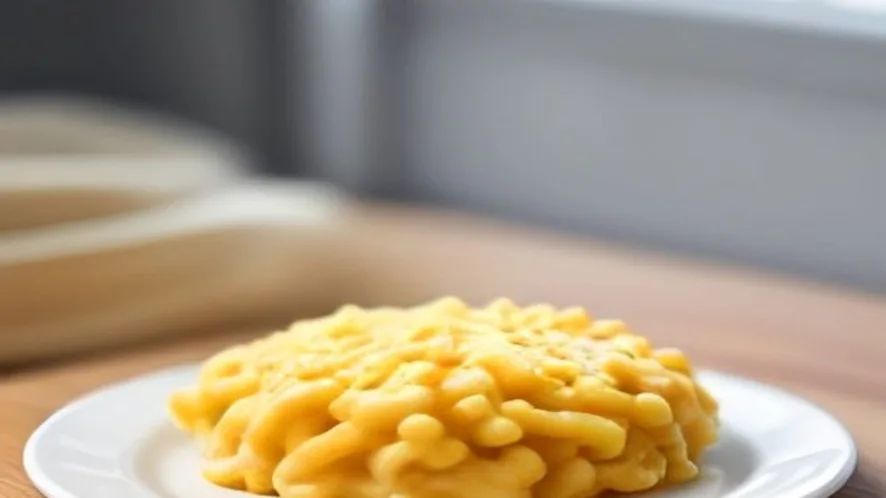
Short answer: Yes, mac and cheese can be frozen, but expect some texture changes. Freeze it in airtight containers to prevent freezer burn and moisture loss. Cheese can also be frozen, though texture may change. To reheat mac and cheese creamy, use low heat and add milk or cream to restore moisture and smooth texture.
Mac and cheese is a popular comfort food commonly made in large batches, leading many to wonder if it can be frozen for later use. Freezing is a practical way to extend shelf life and reduce food waste, but dairy-based dishes like mac and cheese can change texture due to ice crystal formation and fat separation during freezing and thawing.
This page explains whether you can freeze mac and cheese and cheese itself, and how to reheat mac and cheese to regain its creamy consistency. It is designed to help home cooks store leftovers safely and enjoy them without sacrificing texture or flavor.
Written by Anisha Akter · Updated 13 September 2026
Can you freeze mac and cheese
Yes, mac and cheese can be frozen, but expect some texture changes. Freeze it in airtight containers or heavy-duty freezer bags to minimize freezer burn and moisture loss.
Mac and cheese contains pasta, cheese, milk, and butter, each reacting differently to freezing. Pasta absorbs moisture and can become mushy or slightly grainy after thawing, especially if overcooked initially. Cheese fats may separate, causing a grainy or oily texture. Freezing slows microbial growth by keeping the food below 0°F (-18°C), but ice crystals form within the sauce and pasta, disrupting the smooth texture. Proper packaging reduces ice crystal size and dehydration, preserving as much flavor and quality as possible. Freezing within 2 hours of cooking and cooling quickly also limits bacterial growth and texture damage.
Cool the mac and cheese completely before portioning into airtight containers or freezer bags. Press out excess air to prevent freezer burn and label with date. Freeze within 2 hours of cooking for safety and best quality.
Can you freeze cheese
You can freeze cheese, but texture often becomes crumbly and less suitable for slicing; it works best for cooking after freezing.
Cheese is made up of fat, protein, and water, with moisture levels varying by type. When frozen, water inside cheese forms ice crystals that rupture the protein matrix, leading to a crumbly and sometimes grainy texture upon thawing. Hard cheeses like cheddar, gouda, and parmesan freeze better than soft cheeses such as brie or fresh mozzarella, which lose moisture and become watery. Frozen cheese is ideal for cooking where melting masks texture changes, like in sauces or baked dishes. Freezing extends shelf life beyond refrigerated limits, typically 3-4 weeks, but quality declines after about 6 months frozen.
Wrap cheese tightly in plastic wrap, then foil or a freezer bag to minimize moisture loss and freezer burn. Thaw cheese slowly in the refrigerator to reduce condensation and maintain texture as much as possible.
How to reheat mac and cheese creamy
Reheat mac and cheese gently over low heat, adding milk or cream gradually to restore moisture and smooth texture for a creamy finish.
Reheating mac and cheese at high heat causes cheese fats to separate and sauce to dry out, resulting in grainy or rubbery texture. Adding dairy like milk or cream replaces moisture lost during freezing and thawing, helping the sauce emulsify properly. Stirring constantly over low heat encourages even heating and prevents scorching. Alternatively, reheating in a microwave at 50% power with periodic stirring also works well. Avoid overheating above 80°C (176°F) to prevent curdling or breaking of the sauce. Using a double boiler or adding a small amount of butter can also improve creaminess and mouthfeel.
Add a splash of milk or cream before reheating and stir frequently. Reheat slowly on the stovetop or microwave in short intervals to keep sauce creamy and prevent drying out.
How to avoid texture issues when freezing and reheating mac and cheese
- Cool mac and cheese completely before freezing to reduce ice crystal formation and texture damage.
- Use airtight, freezer-safe containers or bags to prevent freezer burn and moisture loss during storage.
- Freeze cheese in small portions wrapped tightly in plastic wrap and foil to maintain quality and ease of use.
- Label and date all frozen items to use them within recommended times: mac and cheese within 2-3 months, cheese up to 6 months.
- Thaw frozen mac and cheese in the refrigerator overnight before reheating for best texture and food safety.
- Avoid reheating at high temperatures to prevent sauce separation, dryness, and curdling.
Recipes that use this
Frequently Asked Questions
How long can frozen mac and cheese be stored safely?
Frozen mac and cheese is best consumed within 2 to 3 months to maintain optimal flavor and texture. While it remains safe beyond this if kept at 0°F (-18°C) or lower, freezer burn and quality degradation increase over time, affecting taste and mouthfeel.
Can you freeze homemade mac and cheese with different cheeses?
Yes, you can freeze homemade mac and cheese made with various cheeses, but texture changes depend on the types used. Hard cheeses like cheddar freeze better, while soft cheeses may become watery or grainy after freezing. Combining cheeses can help balance these texture changes, especially when reheated properly.
Is it safe to refreeze thawed mac and cheese?
Refreezing thawed mac and cheese is not recommended because repeated freezing and thawing promote bacterial growth and further degrade texture. For food safety and quality, consume mac and cheese after one thaw and avoid refreezing leftovers.

Hi! I’m the creator of scooks (Simple Cooks).I share easy, practical recipes and simple cooking ideas to help you enjoy everyday home cooking with confidence.
Happy cooking! 🍽️