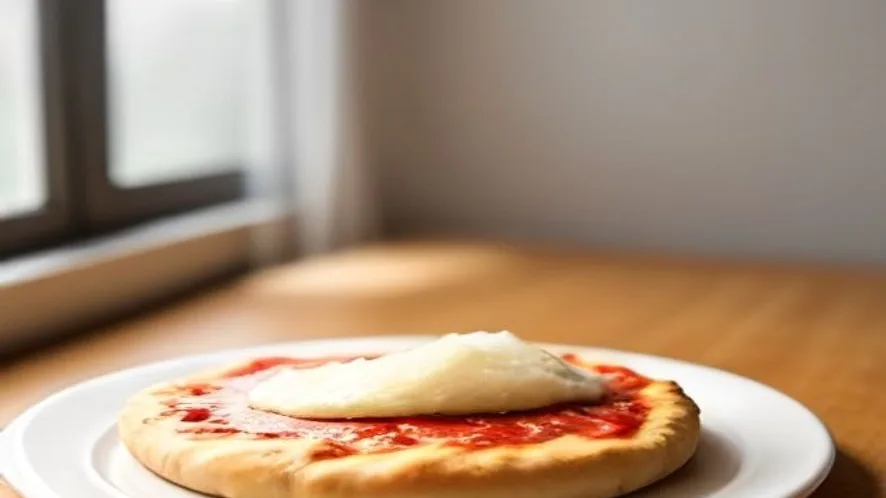
Short answer: Your pizza dough is not stretching because the gluten network hasn’t developed enough or the dough hasn’t rested sufficiently to relax the gluten strands. This makes the dough tight and resistant to stretching, causing it to tear or shrink back.
Pizza dough that won’t stretch is a common problem caused by insufficient gluten development or inadequate resting time. Gluten is the protein network that gives dough elasticity and strength, and without it, the dough remains tight and resists stretching. Overworked or very cold dough can also be less pliable, making stretching difficult and causing tearing or shrinking back.
This page explains why pizza dough fails to stretch and covers related dough problems like soggy pizza bases, dense bread, sticky dough, and flat sourdough. It provides clear reasons and practical fixes to help cooks improve their dough handling and baking results, whether working with commercial yeast or natural starters.
Written by Anisha Akter · Updated 12 September 2026
On this page
Why is my pizza dough not stretching
Your pizza dough is not stretching because the gluten network hasn’t developed enough or the dough hasn’t rested sufficiently to relax the gluten strands.
Gluten forms when water hydrates flour proteins, mainly glutenin and gliadin, which then bond into an elastic network. Kneading aligns and strengthens this network, but if under-kneaded, the gluten strands remain loose and weak, offering little stretch. After kneading, dough must rest at room temperature (around 21-24°C/70-75°F) for at least 20-30 minutes to allow the gluten to relax. Without this rest, the gluten remains tight and springs back when stretched, making the dough resistant or prone to tearing. Additionally, cold dough (below 10°C/50°F) stiffens the gluten and fats, reducing extensibility. Overworking dough can also cause gluten to tighten excessively, making stretching difficult.
Knead the dough until smooth and elastic, then rest it at room temperature for at least 30 minutes before stretching to allow gluten relaxation. Avoid stretching straight from the fridge or immediately after kneading.
Why is my pizza base soggy
A soggy pizza base usually results from excess moisture in toppings or insufficient baking temperature and time.
Water-rich toppings such as fresh tomatoes, mushrooms, or mozzarella release moisture as they cook, which can seep into the dough. If the oven temperature is too low (below 230°C/450°F), the crust won’t crisp properly, allowing moisture to accumulate and soften the base. Baking time also matters; underbaking leaves the center doughy and unable to resist moisture. Thick dough bases absorb more water, especially in the center, worsening sogginess. Using a baking stone or steel preheated to 250°C (480°F) or higher helps rapidly evaporate moisture and crisp the crust. Also, spreading sauces and toppings too thickly can increase moisture load.
Use less watery toppings or drain them before use, bake pizza at high temperature (250°C/480°F or above) on a preheated stone or steel, roll dough thinner, and bake until crust is golden and crisp.
Why is my bread dense
Bread is dense because of insufficient yeast activity, poor gluten development, or too little fermentation time.
Yeast produces carbon dioxide gas that forms bubbles trapped by the gluten network, creating a light crumb. If the yeast is old, inactive, or exposed to water above 54°C (130°F), it won’t produce enough gas. Low fermentation temperatures (below 20°C/68°F) slow yeast metabolism, reducing gas production. Poor kneading fails to develop strong gluten bonds, so gas escapes and bubbles collapse. Using low-protein flour also results in weak gluten. Finally, insufficient fermentation time means dough hasn’t doubled in size, limiting volume and causing dense texture.
Use fresh yeast, knead dough thoroughly until elastic, ferment at room temperature until dough doubles (usually 1-2 hours), and use bread flour with 11-13% protein.
Why did my bread not rise
Bread doesn’t rise because the yeast was inactive, dough was too cold, or salt or sugar levels inhibited yeast fermentation.
Yeast requires warmth (27-32°C/80-90°F) and food (sugars from flour or added sugar) to produce gas. If yeast is expired or water used to activate it is hotter than 54°C (130°F), yeast cells die and cannot ferment. Excess salt (above 2% of flour weight) draws water away from yeast, causing osmotic stress and slowing activity. Too much sugar (above 10% flour weight) can also inhibit yeast by creating high osmotic pressure. Cold dough temperatures slow yeast metabolism dramatically, preventing rising.
Always proof yeast in warm water (around 38-43°C/100-110°F) before mixing, measure salt and sugar accurately, and keep dough in a warm, draft-free place to rise.
Why is my dough sticky
Dough is sticky because of high hydration, insufficient flour incorporation, or warm temperatures increasing stickiness.
Sticky dough results when water content exceeds the flour’s absorption capacity or when flour proteins are not fully developed. High hydration doughs (above 70%) naturally feel tacky since more water is present than the flour can absorb immediately. Insufficient kneading leaves gluten networks underdeveloped, causing the dough to remain wet and sticky. Warm kitchen temperatures (above 24°C/75°F) soften fats and gluten, increasing surface moisture and tackiness. Using low-protein flours or adding sugars can increase stickiness because they affect gluten strength and moisture retention. Additionally, insufficient flour dusting on work surfaces makes dough stick to hands and tools.
Add flour gradually during mixing until dough is manageable, knead thoroughly to develop gluten, keep dough in a cool environment (around 21°C/70°F), and lightly flour work surfaces and hands.
Why is my sourdough flat
Sourdough is flat because of over-proofing, weak starter activity, or insufficient gluten structure.
Over-proofing happens when dough ferments too long, causing yeast and bacteria to exhaust their food supply, collapse gas bubbles, and weaken gluten. This results in a flat, dense loaf. A weak starter with low yeast and lactobacilli populations produces insufficient gas and acidity for proper rise and flavor. Poor gluten development from under-kneading or low-protein flour means dough cannot trap gas effectively. Temperature extremes affect fermentation: too warm (above 27°C/80°F) accelerates over-proofing, too cold slows yeast activity, both causing flatness. Additionally, under-hydrated dough limits gas expansion.
Monitor proofing times carefully, maintain a strong, regularly fed starter, knead dough adequately to develop gluten, and keep fermentation temperatures around 24-26°C (75-78°F).
How to fix dense bread
To fix dense bread, improve yeast freshness, increase fermentation time, knead longer to develop gluten, and ensure proper dough hydration.
Dense bread results from low gas production or poor gas retention. Using fresh yeast ensures active fermentation, producing adequate carbon dioxide. Extended fermentation time allows yeast to generate more gas, increasing bread volume. Proper kneading aligns gluten proteins into a strong elastic network that traps gas bubbles effectively. Maintaining dough hydration around 60-65% balances gluten development and dough handling; too little water yields stiff dough limiting rise, too much weakens structure and causes collapse. Using high-protein flour (11-13%) enhances gluten strength, improving loaf lightness. Also, avoid excessive flour additions which can dry dough and reduce rise.
Check yeast expiry dates, allow dough to ferment until doubled in size, knead for 8-12 minutes until elastic, measure water carefully to maintain ideal hydration, and use bread flour.
How to fix sticky dough
Fix sticky dough by gradually adding flour while kneading, chilling the dough briefly, and using a bench scraper to handle it.
Sticky dough has high surface moisture and underdeveloped gluten, making it hard to handle. Adding flour incrementally during kneading absorbs excess water without over-drying. Brief chilling (15-30 minutes) cools fats and gluten, temporarily reducing stickiness and making dough easier to shape. Using a bench scraper prevents dough from sticking to hands and surfaces, allowing cleaner handling without adding too much flour, which can toughen the dough. Maintaining a cooler kitchen environment (around 21°C/70°F) also helps reduce stickiness.
Add flour tablespoon by tablespoon while kneading, chill dough in the refrigerator for 20 minutes if overly sticky, and use a bench scraper when shaping or transferring dough.
How to avoid common dough problems
- Use fresh, high-protein flour for better gluten development.
- Maintain correct dough hydration between 60-70% depending on flour type.
- Proof yeast in warm water to confirm activity before mixing dough.
- Keep dough at room temperature (21-24°C/70-75°F) during fermentation for best rise.
- Avoid excessive toppings that release moisture on pizza dough.
- Preheat oven and baking surface to at least 230°C (450°F) before baking pizza.
Recipes that use this
Frequently Asked Questions
Can I stretch pizza dough without tearing?
Yes, stretching pizza dough without tearing requires the dough to be well rested for at least 30 minutes to relax gluten strands. Gently stretch the dough from the center outward, rotating it slowly to maintain even thickness. Avoid pulling too quickly or forcefully, which can cause tears. Using a light dusting of flour or semolina on the surface can help prevent sticking during stretching.
Why does sourdough sometimes taste bitter?
Bitterness in sourdough often comes from over-fermentation, where excess organic acids accumulate, or from using large amounts of whole grain flour, which contains bitter phenolic compounds. Underfeeding the starter can cause imbalanced microbial populations, increasing acidity and bitterness. To avoid this, maintain regular starter feedings, control fermentation times, and balance whole grain flour with white flour.
How long should I knead dough by hand?
Hand kneading usually takes 8-10 minutes to develop gluten adequately. The dough should transform from shaggy to smooth and elastic, slightly tacky but not overly sticky. Kneading less results in weak gluten and dense bread, while over-kneading (rare by hand) can make dough tough. Use the windowpane test: stretch a small dough piece thinly to see if it holds without tearing, indicating sufficient gluten development.

Hi! I’m the creator of scooks (Simple Cooks).I share easy, practical recipes and simple cooking ideas to help you enjoy everyday home cooking with confidence.
Happy cooking! 🍽️