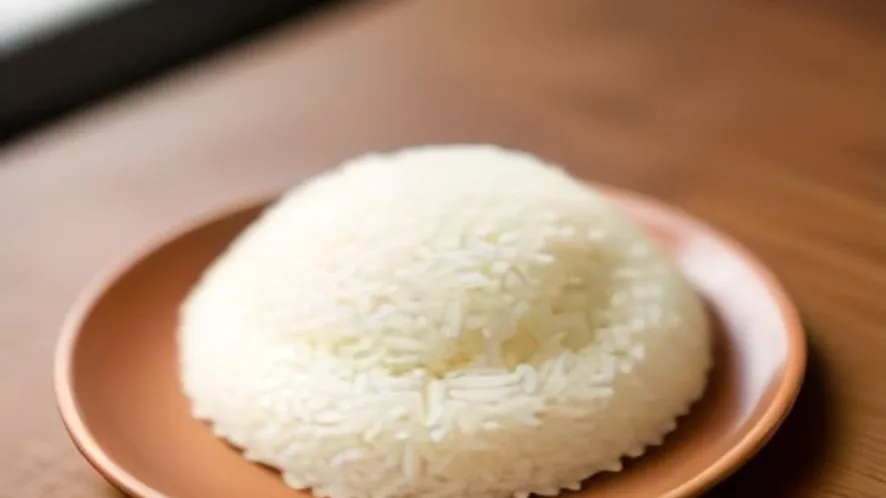
Short answer: Yes, cooked rice can be frozen safely for up to one month if cooled quickly and stored airtight. Freeze rice in portioned containers or bags to prevent spoilage and maintain quality. Thaw in the fridge or reheat directly from frozen.
Cooked rice is a common leftover that people want to save for later meals, but improper handling can lead to spoilage or food poisoning. Rice can harbor Bacillus cereus spores that survive cooking and multiply if rice is left at room temperature too long, producing toxins that cause illness. Cooling and storing rice safely is essential to prevent these risks and maintain quality.
This page explains how to freeze cooked rice safely, how long it lasts in the fridge, and the best methods to store it without drying out. It also covers safe reheating practices and practical tips for meal prepping rice bowls, helping cooks keep rice safe and tasty for multiple meals.
Written by Anisha Akter · Updated 13 September 2026
On this page
Can you freeze cooked rice
Yes, cooked rice can be frozen safely for up to one month when cooled quickly and stored airtight. Freezing halts bacterial growth and preserves texture if done properly.
Cooked rice may contain Bacillus cereus spores, which can survive cooking and multiply rapidly at room temperature, producing toxins that cause food poisoning. Freezing rice at or below -18°C (0°F) stops bacterial growth and toxin production by putting bacteria into a dormant state. To freeze rice safely, cool it from cooking temperature to below 5°C (41°F) within 1 to 2 hours to minimize bacterial growth before freezing. Store rice in airtight containers or freezer bags to prevent freezer burn and moisture loss. Portioning rice into small amounts helps it freeze and thaw evenly, preserving texture and quality. Properly frozen rice can be kept for up to one month without significant loss of flavor or texture.
Divide rice into small, shallow portions in airtight containers or freezer bags to cool and freeze quickly. Label each container with the freezing date and use within one month for best quality and safety.
How long does cooked rice last in the fridge
Cooked rice lasts safely for 3 to 4 days in the refrigerator when stored properly below 5°C (41°F).
After cooking, rice should be cooled rapidly and refrigerated promptly to slow bacterial growth. At refrigerator temperatures below 5°C (41°F), the growth of Bacillus cereus spores is minimized, allowing rice to remain safe to eat for up to 4 days. However, the longer rice is stored, the greater the risk that toxins produced by bacteria may accumulate. To maintain safety and quality, rice should be stored in airtight containers to prevent contamination and moisture loss, which can cause drying or spoilage. Always check rice for off odors, sliminess, or discoloration before consuming, as these are signs of spoilage.
Cool rice to room temperature within 1 hour, then refrigerate in airtight containers. Consume leftover rice within 3 to 4 days to minimize food safety risks.
How to store cooked rice safely
Store cooked rice safely by cooling it quickly, then refrigerating in airtight containers within 1 to 2 hours of cooking.
Rice cools slowly in large portions, which creates an ideal environment for Bacillus cereus spores to germinate and multiply. To reduce this risk, spread rice in a thin layer on a baking sheet or transfer it to shallow containers to speed cooling below 5°C (41°F). Once cooled, store rice in airtight containers to prevent exposure to air, which causes drying and potential contamination. Avoid leaving cooked rice at room temperature for more than 2 hours because bacteria multiply rapidly between 10°C and 50°C (50°F and 122°F). Label containers with the date to track storage time and ensure rice is consumed within safe limits.
Divide rice into small portions in shallow containers or spread it thinly to cool rapidly before refrigerating in airtight containers.
How to keep rice from drying out
Keep rice from drying out by storing it in airtight containers and adding a damp paper towel on top before sealing.
Rice loses moisture when exposed to air, especially in the dry environment of a refrigerator, which causes grains to harden and lose their fluffy texture. Airtight containers trap steam and maintain humidity around the rice, preventing it from drying out. Adding a lightly dampened paper towel on top of the rice inside the container helps maintain moisture balance by releasing gentle steam as the rice cools and is stored. Avoid storing rice uncovered or loosely covered, as cold dry air accelerates moisture loss and texture degradation.
Use airtight containers or resealable freezer bags and place a lightly dampened paper towel on top of the rice before sealing to retain moisture and keep rice soft.
How to reheat rice safely
Reheat rice thoroughly to at least 75°C (165°F) in a microwave, stovetop, or oven to kill bacteria and prevent food poisoning.
Bacillus cereus spores can survive cooking and produce toxins if rice is improperly cooled or reheated. Reheating rice to 75°C (165°F) or higher kills vegetative bacteria but does not destroy toxins already formed, so proper storage before reheating is crucial. Stirring rice during reheating ensures even heating and eliminates cold spots where bacteria can survive. Avoid reheating rice more than once, as repeated cooling and reheating cycles increase the risk of bacterial growth and toxin production. Always use a food thermometer to check temperature if unsure.
Add a splash of water and cover rice when reheating to generate steam and promote even heating. Stir halfway through and confirm rice reaches 75°C (165°F) before serving.
Meal prep rice bowls
Prepare rice bowls by cooking and freezing rice in portions, then thawing and adding fresh or cooked toppings for quick meals.
Batch cooking and freezing rice saves time and reduces waste in meal prepping. Portion cooked rice into airtight containers or freezer bags for freezing. Thaw rice overnight in the refrigerator or reheat directly from frozen in the microwave or on the stovetop. Combine thawed rice with pre-cooked proteins, vegetables, sauces, or fresh ingredients to assemble balanced and flavorful rice bowls. This method maintains the rice’s texture and safety, while offering versatile meal options for breakfast, lunch, or dinner. Proper freezing and thawing prevent bacterial growth and preserve food quality.
Freeze rice in single-serving portions and pair with prepped ingredients like grilled chicken, steamed veggies, beans, and sauces to create nutritious and convenient rice bowls.
How to avoid rice storage and safety issues
- Cool cooked rice to below 5°C (41°F) within 1 hour after cooking to prevent bacterial growth.
- Store rice in airtight containers to avoid moisture loss and contamination.
- Do not leave cooked rice at room temperature for more than 2 hours before refrigeration or freezing.
- Reheat rice only once and ensure it reaches 75°C (165°F) throughout before eating.
- Label containers with date to track storage times and avoid consuming expired rice.
- Use frozen rice within one month to maintain safety and quality.
Recipes that use this
Frequently Asked Questions
Can you freeze rice that was stored in the fridge?
Yes, you can freeze rice that has been stored in the fridge for 1 to 2 days, provided it was cooled quickly and kept in airtight containers. Freezing after extended refrigeration increases the risk of bacterial growth and toxin formation, so freeze as soon as possible to ensure safety.
Is it safe to eat leftover rice if it smells normal?
Even if leftover rice smells normal, it may still contain Bacillus cereus toxins if it was improperly stored or left out too long. These toxins cannot be detected by smell or taste and are not destroyed by reheating. Always follow storage guidelines and consume rice within recommended times to minimize risk.
Can you freeze rice cooked with other ingredients?
Yes, rice cooked with other ingredients like vegetables, meats, or sauces can be frozen safely if cooled quickly and stored in airtight containers. Be aware that different ingredients may affect freezing times and texture, so consume mixed dishes within 1 to 2 months for best quality and safety.

Hi! I’m the creator of scooks (Simple Cooks).I share easy, practical recipes and simple cooking ideas to help you enjoy everyday home cooking with confidence.
Happy cooking! 🍽️