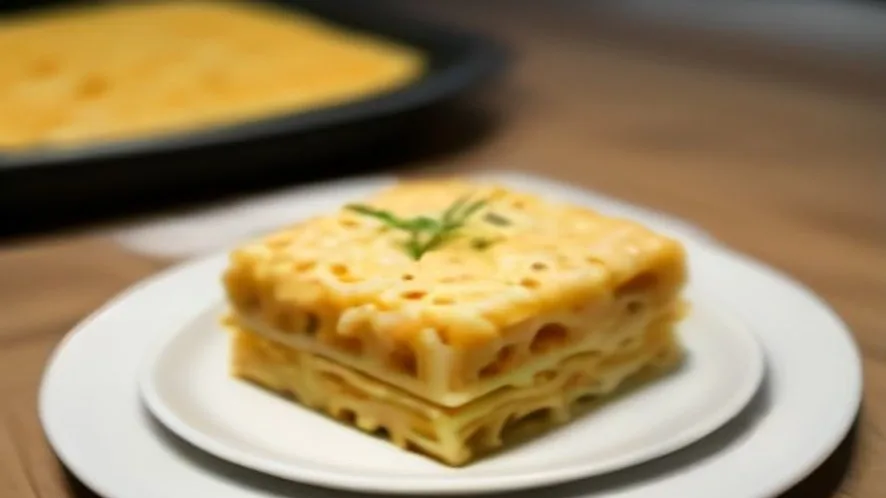
Short answer: Yes, cooked pasta can be frozen safely by cooling it quickly and storing it airtight. Freezing preserves texture and flavor for 1 to 2 months. Proper thawing and reheating maintain quality and prevent spoilage.
Freezing cooked pasta is a common question because pasta can turn mushy or clump together if not handled properly. The starches in pasta gelatinize during cooking and can break down further when frozen, affecting texture. However, freezing is an effective way to preserve leftovers if done correctly.
This page explains how to freeze cooked pasta and lasagna, how long cooked pasta lasts in the fridge, and how to reheat pasta dishes to maintain quality. It is useful for home cooks wanting to store meals safely and reduce food waste.
Written by Anisha Akter · Updated 13 September 2026
On this page
Can you freeze cooked pasta
Yes, cooked pasta can be frozen safely if cooled promptly and stored in airtight containers or freezer bags to avoid freezer burn and clumping.
Cooked pasta contains gelatinized starches that absorb water during boiling, swelling the starch granules. When frozen, the water inside these granules forms ice crystals that can rupture the starch structure, leading to a mushy texture upon thawing. Additionally, pasta strands can stick together if not adequately separated before freezing. To minimize this, cool pasta quickly by rinsing with cold water to stop cooking and remove excess surface starch, then toss with a small amount of oil before freezing. Proper packaging in airtight containers or freezer bags at -18°C (0°F) or below maintains quality by preventing freezer burn and moisture loss. For best texture, consume frozen pasta within 1 to 2 months. Freezing slows enzymatic and microbial activity, preserving safety and extending shelf life beyond refrigeration.
Cool pasta quickly after cooking by rinsing with cold water and toss lightly in oil to prevent clumping; freeze in portioned airtight bags with excess air removed.
Can you freeze lasagna before baking
Yes, you can freeze assembled lasagna before baking by wrapping it tightly to prevent freezer burn and storing it up to 2-3 months.
Lasagna freezes well before baking because its layered structure of pasta, sauce, cheese, and fillings holds together during freezing. The moisture in sauces and cheeses helps prevent drying out. However, improper wrapping can allow freezer air to cause freezer burn, affecting taste and texture. Wrap the dish tightly with plastic wrap, pressing to remove air pockets, then cover with aluminum foil for an extra moisture barrier. Freeze at a constant temperature of -18°C (0°F) or below. When baking from frozen, add 15-20 minutes to the usual cooking time to ensure the center reaches at least 74°C (165°F) for food safety. Thawing in the refrigerator overnight before baking can improve even cooking and texture.
Use an oven-safe dish, wrap tightly with plastic wrap and foil, label with date, and bake from frozen adding extra time to ensure thorough cooking.
How long does cooked pasta last in the fridge
Cooked pasta lasts 3 to 5 days in the refrigerator when stored in an airtight container at 4°C (39°F) or below.
Refrigeration slows bacterial growth but does not stop it; cooked pasta remains safe for 3 to 5 days if stored properly. Pasta absorbs moisture and can become sticky or dry if exposed to air. Storing in airtight containers prevents contamination and moisture loss. If pasta is mixed with sauce, acidic or oily sauces may slightly inhibit bacterial growth, but safety guidelines remain the same. Beyond 5 days, risk of spoilage and foodborne illness increases. Always check for off smells, slimy texture, or mold before consumption. Cooling pasta rapidly before refrigeration and maintaining a consistent fridge temperature below 4°C (39°F) are vital for safety.
Store pasta in shallow airtight containers to cool quickly and consume within 3 to 5 days; discard if any signs of spoilage appear.
How to reheat pasta with sauce
Reheat pasta with sauce gently over low to medium heat or in the microwave with added moisture to prevent drying and maintain texture.
Reheating pasta causes starch retrogradation, where starch molecules recrystallize, making pasta firmer and drier. Moisture loss during reheating worsens this effect. Adding a splash of water, broth, or extra sauce replenishes moisture and softens pasta. Heat to an internal temperature of at least 74°C (165°F) to ensure food safety. On the stovetop, reheat covered and stir frequently to distribute heat evenly. In the microwave, cover the dish and pause to stir midway, preventing cold spots that can harbor bacteria or cause uneven texture. Avoid high heat which can toughen pasta and cause sauce to separate.
Add 1-2 tablespoons of water or broth per serving and cover the pan or microwave-safe dish to trap steam during reheating.
How to reheat lasagna
Reheat lasagna covered at 175°C (350°F) in the oven until internal temperature reaches 74°C (165°F) to maintain moistness and food safety.
Lasagna’s dense layers of pasta, sauce, cheese, and fillings require slow, even reheating to avoid drying out or uneven temperature. Covering the dish with foil traps steam, keeping the top moist while heating thoroughly. Using a food thermometer ensures the center reaches safe temperatures. Microwaving can cause uneven heating and a rubbery texture, so oven reheating is preferred. For faster reheating, microwave briefly uncovered to warm the center, then finish in the oven covered to restore crispness and moisture. Reheating times vary by portion size but generally take 25-35 minutes covered at 175°C (350°F).
Cover tightly with foil and reheat for 25-30 minutes; remove foil for the last 5 minutes to brown the top if desired.
Make ahead lasagna instructions
Assemble lasagna fully, then cover tightly and refrigerate for up to 24 hours or freeze for up to 3 months before baking.
Making lasagna ahead allows flavors to meld and saves cooking time later. Refrigerated lasagna should be baked within 24 hours to maintain texture and prevent spoilage. For longer storage, freeze assembled uncooked lasagna wrapped tightly in plastic and foil. Thaw frozen lasagna in the refrigerator for 24 hours before baking to ensure even cooking. Add 10-15 minutes to the baking time to account for the chilled or thawed state. Proper wrapping prevents freezer burn and moisture loss, preserving taste and texture. Label with date and contents to manage storage time. Avoid refreezing thawed lasagna to maintain quality and safety.
Label with date and bake within recommended times; thaw frozen lasagna overnight in the fridge before baking for best results.
How to avoid texture and safety issues when freezing and reheating pasta and lasagna
- Cool cooked pasta within two hours before refrigerating or freezing to prevent bacterial growth.
- Store cooked pasta and lasagna in airtight containers or freezer bags to avoid freezer burn and moisture loss.
- Avoid freezing pasta mixed with cream-based sauces as they may separate upon thawing.
- Reheat pasta and lasagna to an internal temperature of at least 74°C (165°F) to ensure food safety.
- Do not refreeze thawed pasta or lasagna to prevent quality degradation and bacterial risk.
- Use shallow containers to speed cooling of cooked pasta and leftovers before storage.
Recipes that use this
Frequently Asked Questions
Can you freeze cooked pasta with sauce?
Yes, you can freeze cooked pasta with sauce, but thick tomato-based sauces freeze better than cream or cheese sauces, which may separate or become grainy upon thawing and reheating. Add extra sauce when reheating to restore moisture.
What causes pasta to become mushy after freezing?
Pasta becomes mushy after freezing because ice crystals formed inside the starch granules rupture their structure. This breaks down the firm texture developed during cooking, releasing excess water when thawed, resulting in a soft, mushy consistency.
Is it safe to freeze cooked pasta for longer than 2 months?
Freezing cooked pasta beyond 2 months is safe but may result in significant quality loss such as off-flavors, freezer burn, and texture degradation. For best taste and texture, consume frozen pasta within 1 to 2 months.

Hi! I’m the creator of scooks (Simple Cooks).I share easy, practical recipes and simple cooking ideas to help you enjoy everyday home cooking with confidence.
Happy cooking! 🍽️