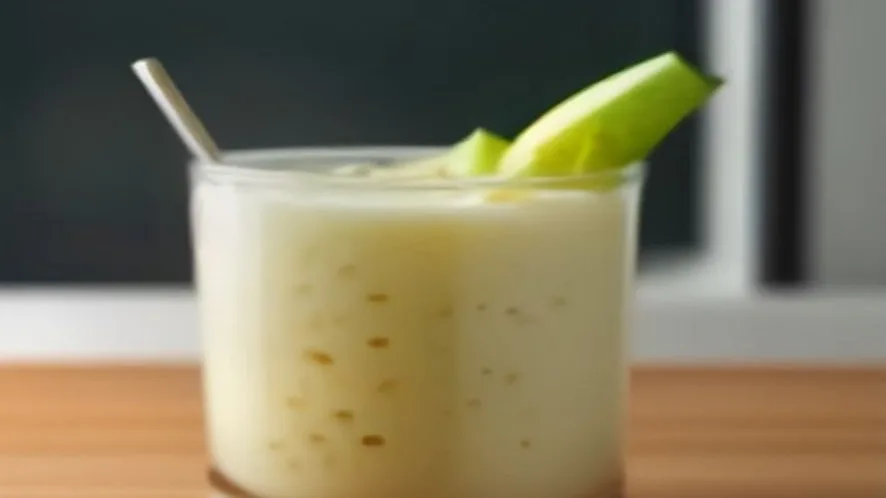
Short answer: Yes, you can freeze bananas for smoothies by peeling and slicing them first, then freezing in a single layer to prevent clumping. Frozen bananas retain flavor and texture ideal for smoothies, as freezing breaks down cell walls, making blending easier and creamier.
Bananas are a popular smoothie ingredient, but their short shelf life often leads to waste. Freezing bananas is a common solution, allowing you to preserve them at peak ripeness and have them ready for smoothies anytime. This method prevents browning and texture loss that occur in fresh bananas over time. Freezing also slows enzymatic reactions and microbial growth, which cause spoilage in fresh fruit.
This page explains how to freeze bananas properly for smoothies, ensuring optimal texture and flavor. It also covers how to store fresh coriander to extend its freshness and how to keep salad greens crisp, helping you manage fresh produce efficiently and reduce food waste in your kitchen. These tips are useful for anyone looking to maintain produce quality and save prep time.
Written by Anisha Akter · Updated 13 September 2026
On this page
Can you freeze bananas for smoothies
Yes, you can freeze bananas for smoothies by peeling, slicing, and freezing them in a single layer to prevent clumping and preserve flavor and texture.
Freezing bananas causes ice crystals to form inside the fruit’s cells, rupturing cell walls and softening the flesh. This breakdown results in a creamy texture ideal for smoothies because the softened cells blend more easily, producing a smooth consistency without ice chunks. Bananas should be peeled before freezing to avoid the bitter taste and tough texture of frozen peels. Slicing them into 1/2-inch (1.25 cm) pieces allows the slices to freeze individually when spread on a baking sheet, preventing them from sticking together. Once frozen solid at around -18°C (0°F), transfer the banana pieces to airtight containers or freezer bags to protect them from freezer burn and odors. Frozen bananas maintain their best quality for 2 to 3 months, after which texture and flavor may degrade but remain safe to consume.
Peel and slice bananas before freezing, spread slices on a baking sheet to freeze individually, then store in airtight bags to maintain texture and ease of use for smoothies.
How to store fresh coriander so it lasts
Store fresh coriander by trimming stems, placing them in a jar with water, covering loosely with a plastic bag, and refrigerating to keep it fresh for up to two weeks.
Fresh coriander wilts quickly due to moisture loss and enzymatic degradation. To keep it fresh longer, trim the stems and place them upright in a jar filled with about an inch (2.5 cm) of water, similar to a bouquet. Covering loosely with a plastic bag traps humidity and reduces airflow that causes leaves to dry out, but still allows some breathability to prevent mold. Refrigerate the jar at around 4°C (39°F) to slow enzymatic activity and microbial growth, which cause decay. Avoid washing coriander before storage because excess moisture promotes spoilage; wash leaves just before use. Changing the water every 2 to 3 days prevents bacterial buildup, which can cause the stems to rot and leaves to wilt prematurely.
Trim stems and place coriander upright in a jar with fresh water, cover loosely with a plastic bag, and refrigerate; change water every few days for best results.
How to keep salad from going soggy
Keep salad crisp by thoroughly drying greens after washing, storing them loosely wrapped in paper towels inside airtight containers in the fridge.
Salad greens become soggy due to excess moisture that breaks down cell walls and encourages bacterial and fungal growth. Washing introduces water, so removing this moisture is essential. Using a salad spinner effectively removes surface water, while patting leaves dry with paper towels absorbs residual dampness. Layering paper towels inside airtight containers absorbs any moisture released during storage, maintaining a dry environment that preserves crispness. Storing salad at 1 to 4°C (34 to 39°F) slows enzymatic processes and microbial growth responsible for spoilage. Avoid crushing or tightly packing leaves, as bruising damages cells and accelerates sogginess. Proper storage can extend salad freshness by several days.
Use a salad spinner to dry greens well, layer with paper towels in an airtight container, and avoid overcrowding to maintain crispness.
How to avoid common fresh produce storage problems
- Freeze bananas only when fully ripe to preserve sweetness and texture.
- Store coriander away from ethylene-producing fruits like apples and bananas to prevent premature wilting.
- Avoid washing salad greens until just before serving to reduce moisture exposure.
- Use airtight containers for storing herbs and salad greens to control humidity and airflow.
- Change water in herb jars every 2-3 days to prevent bacterial growth.
- Keep fridge temperature stable between 1-4°C (34-39°F) for optimal produce freshness.
Recipes that use this
Frequently Asked Questions
Can you freeze whole bananas without peeling them?
Freezing whole bananas with the peel on is not recommended because the peel becomes bitter, tough, and difficult to remove when frozen. The peel also traps moisture, which can cause freezer burn. Always peel bananas before freezing to ensure better texture and flavor in smoothies and other uses.
How long do frozen bananas last in the freezer?
Frozen bananas maintain their best quality for about 2 to 3 months when stored at 0°F (-18°C). After this period, they may develop freezer burn or discoloration and lose some flavor and texture but remain safe to eat. For best taste and texture, use frozen bananas within this timeframe.
Can I store chopped salad in the fridge for several days?
Chopped salad tends to spoil faster than whole leaves because cutting damages cell walls, causing faster moisture loss and oxidation. It’s best to store salad greens whole and chop them just before serving to maintain crispness and extend shelf life. If you must store chopped salad, dry it thoroughly and keep it in an airtight container with paper towels to absorb moisture.

Hi! I’m the creator of scooks (Simple Cooks).I share easy, practical recipes and simple cooking ideas to help you enjoy everyday home cooking with confidence.
Happy cooking! 🍽️