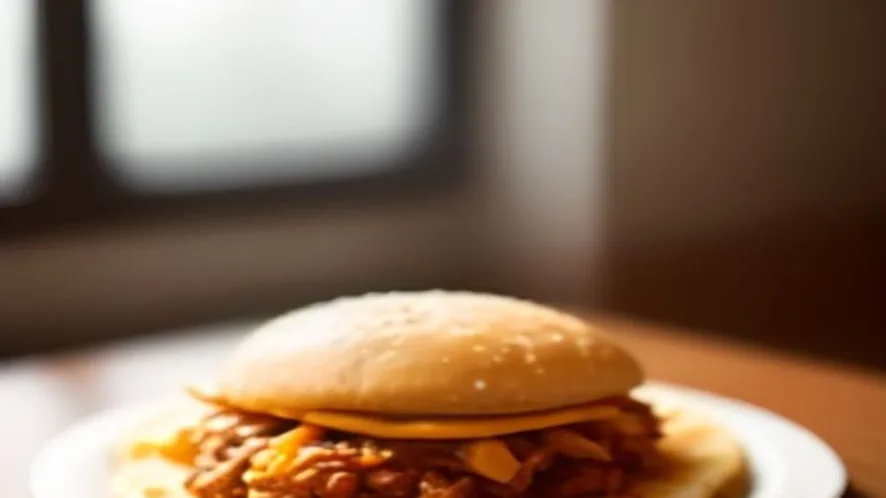
Short answer: Pulled pork is dry because it was overcooked or did not have enough fat and moisture during cooking. Overcooking causes muscle fibers to contract and squeeze out juices, leaving the meat dry and stringy. Proper temperature and time control with sufficient fat help retain moisture.
Pulled pork drying out is a common problem caused mainly by overcooking or insufficient fat content in the meat. When pork is cooked too long or at too high a temperature, muscle fibers contract tightly, pushing out moisture and leaving the meat dry and less tender. This issue often arises during slow cooking or smoking when temperature control is inconsistent or meat is leaner than expected.
This page explains why pulled pork becomes dry, why pork chops can turn tough, and why bacon sometimes fails to crisp. It helps cooks troubleshoot texture issues by understanding the cooking science behind moisture loss and protein changes in pork products, so they can adjust cooking methods and temperatures for better results.
Written by Anisha Akter · Updated 13 September 2026
Why is my pulled pork dry
Pulled pork is dry because it was overcooked or lacked enough fat and moisture during cooking.
Pulled pork becomes dry when cooked beyond its ideal internal temperature range of about 90-95°C (195-205°F), where collagen breaks down into gelatin, tenderizing the meat and helping retain moisture. If the meat is cooked too long or at too high a temperature, muscle fibers contract excessively, squeezing out water and fat that normally keep the pork juicy. Additionally, lean cuts with less marbling have less intramuscular fat to baste the meat internally, which increases dryness risk. Slow cooking at controlled low temperatures helps collagen convert fully before muscle fibers tighten, preserving tenderness and moisture. Lack of added moisture, such as basting or cooking with liquid, can worsen dryness.
Use a reliable meat thermometer to cook pulled pork to 90-95°C (195-205°F) internal temperature. Choose pork shoulder or Boston butt cuts with good marbling and add moisture like broth or a mop sauce during cooking to maintain juiciness.
Why is my pork chop tough
Pork chops become tough when cooked at too high heat or not rested, causing muscle fibers to contract and lose moisture.
Pork chops are naturally lean and cook quickly. When exposed to high heat (above 70°C or 160°F) for too long, the proteins denature and muscle fibers contract tightly, forcing out moisture and resulting in toughness. Overcooking causes the meat to dry out and become chewy. Additionally, slicing into pork chops immediately after cooking releases the concentrated juices instead of allowing them to redistribute evenly. Resting the meat for 3-5 minutes after cooking lets the juices reabsorb into the muscle fibers, improving tenderness. Thickness of the chop also affects cooking time; thinner chops overcook faster and dry out more easily.
Cook pork chops to an internal temperature of 63°C (145°F) and then rest them for 3-5 minutes before slicing. This keeps the meat juicy and tender while ensuring safety.
Why is my bacon not crispy
Bacon isn’t crispy because it was cooked at too low a temperature or not long enough to render out fat and create a crisp texture.
Crisping bacon requires the fat to melt and moisture to evaporate. Cooking bacon at temperatures below 120°C (250°F) or removing it from the heat too soon leaves fat soft and moisture trapped inside the meat. The Maillard reaction, responsible for browning and crispness, occurs efficiently between 150-190°C (300-375°F). At these temperatures, fat renders fully, and proteins brown, creating a crunchy texture. Additionally, cooking method and bacon thickness influence crispiness time; thicker slices require longer cooking. Uneven heat or overcrowding the pan can also prevent proper fat rendering and crisping.
Cook bacon slowly over medium heat on the stove or in a preheated oven at 175°C (350°F) until fat fully renders and bacon crisps, usually 10-15 minutes depending on thickness. Avoid crowding the pan for even cooking.
How to avoid dryness and toughness in pork and bacon
- Use a meat thermometer to avoid overcooking pork cuts and maintain juiciness.
- Select pork cuts with adequate marbling for pulled pork to retain moisture.
- Rest pork chops after cooking to allow juices to redistribute and improve tenderness.
- Cook bacon at medium heat or in the oven for even fat rendering and crisp texture.
- Avoid cooking pork chops too quickly at high heat to prevent toughness.
- Add moisture during slow cooking of pulled pork, such as broth or a mop sauce, to prevent drying out.
Recipes that use this
Frequently Asked Questions
Can I fix pulled pork that is already dry?
Once pulled pork is dry, it’s difficult to fully restore moisture because the muscle fibers have contracted and lost their internal juices. However, gently reheating it with added liquids such as broth, barbecue sauce, or apple juice can help moisten the meat somewhat. Slow reheating at low temperature (below 150°C or 300°F) prevents further drying, but the texture may remain slightly dry and stringy.
Why does pork become chewy instead of tender?
Pork becomes chewy when cooked at too high a temperature or for too long, causing muscle fibers to contract tightly and expel moisture. This over-tightening of proteins results in a dry, rubbery texture. Additionally, insufficient resting time after cooking prevents juices from redistributing, which makes the meat seem tougher. Cooking pork to the recommended safe temperature of 63°C (145°F) and resting it improves tenderness.
Is it better to cook bacon in a pan or oven for crispiness?
Both pan and oven cooking can produce crispy bacon, but oven cooking provides more even heat distribution and consistent crispiness without constant attention. Pan frying requires flipping and monitoring to avoid burning or uneven cooking. Oven cooking at 175°C (350°F) allows the fat to render slowly and the bacon to crisp evenly over 10-15 minutes, depending on thickness. Choose the method that suits your convenience and equipment.

Hi! I’m the creator of scooks (Simple Cooks).I share easy, practical recipes and simple cooking ideas to help you enjoy everyday home cooking with confidence.
Happy cooking! 🍽️