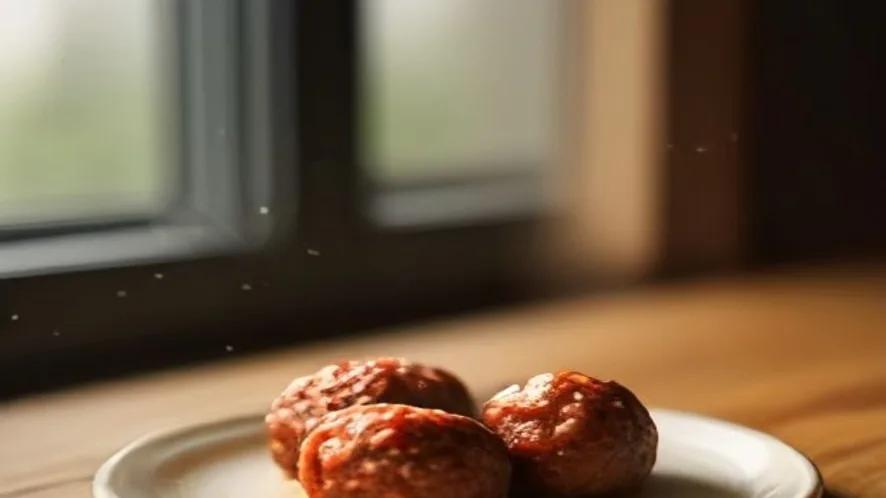
Short answer: Your meatballs are tough because the meat was overmixed or too lean, causing protein tightening and moisture loss during cooking. Overworking meat develops gluten-like strands, squeezing out water and making the texture dense and firm.
Tough meatballs often result from overmixing the meat mixture or using very lean meat. When proteins in meat are excessively agitated, they contract and squeeze out moisture, making the meatballs dense and chewy. Also, lean meats have less fat to keep them tender and juicy.
This page explains why meatballs become tough and why meatloaf can fall apart or become dry. It offers practical advice on ingredient choices, mixing techniques, and cooking adjustments to help home cooks improve texture and moisture in these dishes.
Written by Anisha Akter · Updated 13 September 2026
Why are my meatballs tough
Meatballs turn tough mainly because the meat mixture was overmixed or too lean, causing muscle proteins to tighten and expel moisture during cooking.
When ground meat is mixed excessively, the muscle proteins, especially myosin, begin to form tight, elastic networks. This process is similar to gluten formation in bread dough, but in meat, it causes the proteins to contract and squeeze out water and fat. The squeezing out of moisture reduces juiciness and makes the texture dense and chewy. This tightening effect begins as the mixture warms above about 10°C (50°F) and intensifies as it approaches room temperature or higher. Using very lean meat exacerbates this effect because there is less fat to lubricate and soften the texture, so the meatballs dry out faster during cooking. Overcooking also worsens toughness by further evaporating internal moisture.
To prevent tough meatballs, mix the meat and seasonings gently and only until just combined, keeping the mixture cold, ideally below 10°C (50°F). Use ground meat with at least 15-20% fat content to maintain tenderness. Cook meatballs until they reach an internal temperature of 70°C (160°F), then remove promptly to avoid drying out.
Why did my meatloaf fall apart
Meatloaf falls apart because it lacks sufficient binders like eggs or breadcrumbs to hold the meat and other ingredients together during cooking.
Meatloaf is a mixture of ground meat, vegetables, and seasonings that requires binding agents to create a stable structure. Eggs coagulate when heated, acting as a glue that holds the proteins and other ingredients together. Breadcrumbs or soaked bread absorb moisture and swell, filling gaps between meat particles and helping the loaf maintain its shape. Without enough binder, the proteins in the meat and other components separate during cooking as the juices are released, causing the loaf to crumble or fall apart when sliced. Additionally, shaping the loaf too loosely or handling it roughly before cooking can weaken its integrity.
Ensure you add at least one large egg per 450g (1 pound) of meat and about ½ cup (50g) of breadcrumbs or soaked bread per pound to bind the mixture well. After shaping, chill the loaf in the refrigerator for 20-30 minutes before baking to help it firm up and hold together better.
How to fix a dry meatloaf
Fix dry meatloaf by incorporating moist ingredients like vegetables, milk-soaked breadcrumbs, or fat, and avoid overbaking to retain juiciness.
Dry meatloaf results from moisture loss during cooking, often due to lean meat, insufficient added moisture, or baking at too high a temperature for too long. Adding finely grated or chopped vegetables such as onions, carrots, or zucchini introduces water that steams during cooking, keeping the loaf moist. Soaking breadcrumbs in milk or broth before mixing helps retain moisture as well. The fat content in meat or added oils lubricates the mixture, slowing moisture evaporation. Baking at a moderate oven temperature around 175°C (350°F) ensures even cooking without drying the exterior too quickly. Overbaking beyond the recommended internal temperature of 70°C (160°F) causes protein fibers to contract excessively, squeezing out juices and resulting in a dry texture.
Add finely chopped or grated vegetables and soak breadcrumbs in milk or broth before mixing. Use meat with moderate fat content (15-20%). Bake at 175°C (350°F) and monitor internal temperature with a probe to remove the meatloaf promptly at 70°C (160°F). Cover loosely with foil if needed to prevent excessive browning.
How to avoid tough meatballs and crumbly or dry meatloaf
- Use ground meat with 15-20% fat content for tender meatballs and meatloaf.
- Mix ingredients gently and only until combined to prevent protein overdevelopment.
- Include binding agents like eggs and breadcrumbs in meatloaf to maintain structure.
- Add moisture-rich ingredients such as grated vegetables or soaked bread to meatloaf mixtures.
- Cook meatballs and meatloaf to safe internal temperatures without overbaking: 70°C (160°F) is sufficient.
- Chill shaped meatloaf before baking to help it set and hold together.
Recipes that use this
Frequently Asked Questions
Can using different meats affect meatball texture?
Yes, the choice of meat significantly impacts meatball texture. Meats with higher fat content, such as pork or beef with 15-20% fat, produce juicier and more tender meatballs. Lean meats like turkey or chicken contain less fat and moisture, which can lead to drier, tougher meatballs unless compensated with added fat or moisture-rich ingredients.
Why should I avoid overmixing meat mixtures?
Overmixing meat mixtures causes muscle proteins, primarily myosin, to develop tight, elastic networks similar to gluten in bread. This protein tightening squeezes out water and fat, resulting in a dense, tough texture. Mixing just until ingredients are combined minimizes this effect and helps maintain tenderness and juiciness.
Is it better to bake meatloaf covered or uncovered?
Baking meatloaf covered with foil traps steam, helping retain moisture and prevent drying out. Removing the foil during the last 10-15 minutes allows the crust to brown and develop texture without over-drying the interior. This method balances moisture retention with a desirable exterior crust.

Hi! I’m the creator of scooks (Simple Cooks).I share easy, practical recipes and simple cooking ideas to help you enjoy everyday home cooking with confidence.
Happy cooking! 🍽️