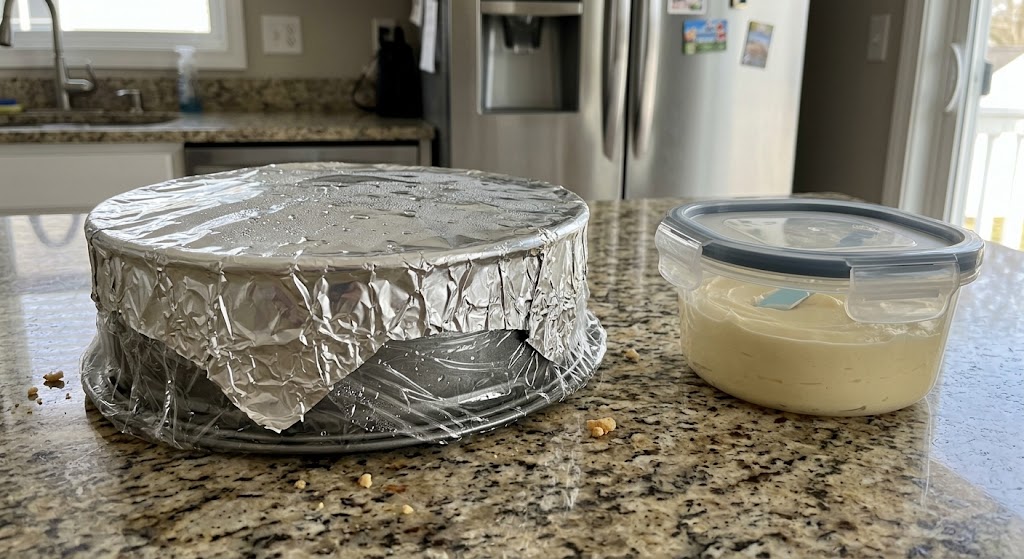
Short answer: Yes, you can freeze cheesecake by wrapping it tightly in plastic and foil to prevent freezer burn, and thaw it in the refrigerator to maintain texture. Buttercream can also be frozen if sealed well, though its texture may slightly change upon thawing.
Cheesecake and buttercream often come up as questions for freezing because both are rich, delicate components sensitive to moisture and temperature changes. Cheesecake’s creamy texture and buttercream’s airy structure can be damaged by ice crystals or improper storage, leading to sogginess or separation.
This page explains how to freeze cheesecake and buttercream properly, preserving their quality and safety. It helps home cooks and bakers who want to prepare desserts ahead or save leftovers without sacrificing taste or texture.
Can you freeze cheesecake
Yes, cheesecake freezes well if wrapped tightly to prevent ice crystals; thaw it slowly in the refrigerator to keep its creamy texture intact.
Cheesecake is a dense dairy-based dessert made primarily of cream cheese, sugar, eggs, and often sour cream or heavy cream. Its high fat and sugar content make it relatively stable for freezing, as these ingredients inhibit the formation of large ice crystals that can damage texture. However, exposure to air during freezing causes moisture loss and freezer burn, leading to dry edges and a crumbly or grainy texture. Wrapping the cheesecake first in plastic wrap creates a moisture barrier, while a layer of aluminum foil provides additional protection against air exposure and odors. For best results, freeze cheesecake on a flat surface to maintain shape and prevent cracking. When thawing, place the cheesecake in the refrigerator at 4°C (39°F) for 8 to 12 hours to allow gradual temperature increase and moisture redistribution. This slow thaw prevents condensation and watery texture that occurs with rapid thawing at room temperature. Avoid refreezing thawed cheesecake, as repeated freezing cycles further degrade texture and taste.
Wrap cheesecake slices or whole cakes tightly in plastic wrap, then aluminum foil, and freeze on a flat surface. Thaw overnight in the refrigerator, not at room temperature, to preserve texture and flavor.
Can you freeze buttercream
Yes, buttercream can be frozen if sealed airtight, but its texture may become slightly grainy or separated when thawed.
Buttercream frosting is an emulsion of fat (usually butter or shortening), sugar, and sometimes milk or cream. Its high fat content allows it to freeze safely, but freezing can cause fat crystals to form and the emulsion to break, leading to a grainy or slightly separated texture upon thawing. Exposure to air during freezing increases the risk of freezer burn and drying out. To minimize texture changes, freeze buttercream in an airtight container or a sealed plastic bag with minimal air space. Thawing slowly in the refrigerator at 4°C (39°F) helps the fats to soften gradually, reducing separation. After thawing, gently re-whipping the buttercream restores its smooth, creamy texture by re-emulsifying the fats and sugar. Avoid microwaving or heating the frosting directly, as this can cause further separation.
Freeze buttercream in an airtight container, leaving minimal air space. Thaw in the fridge and re-whip gently before using to restore texture.
How to avoid texture and flavor loss when freezing
- Wrap cheesecake tightly in plastic wrap and foil to prevent moisture loss and freezer burn.
- Freeze cheesecake on a flat surface to maintain shape and avoid cracking.
- Store buttercream in airtight containers to prevent exposure to air and odors.
- Avoid thawing cheesecake or buttercream at room temperature to reduce condensation and texture damage.
- Re-whip buttercream after thawing to help regain smoothness and consistency.
Recipes that use this
Frequently Asked Questions
Can I freeze a cheesecake with fruit topping?
Freezing cheesecake with fresh fruit toppings is not recommended because the water content in fruit expands when frozen, causing the topping to become soggy and mushy upon thawing. The fruit may also release juices that can seep into the cheesecake, altering its texture. For best results, freeze the cheesecake plain and add fresh fruit or fruit preserves after thawing.
How long can cheesecake be frozen safely?
Cheesecake can be stored in the freezer at 0°F (-18°C) or below for up to 2 months without significant loss of quality. Beyond this period, texture and flavor may deteriorate due to prolonged exposure to cold and moisture changes, though it remains safe to eat if continuously frozen. Labeling with the freeze date helps track storage time.
Is it better to freeze whole cheesecake or slices?
Freezing individual cheesecake slices is often better because it allows for quicker, more even thawing and reduces waste by only thawing what you need. Whole cheesecakes require longer thawing times and risk uneven texture changes, especially near the center. Slices also freeze and thaw more evenly, maintaining better overall quality.

Hi! I’m the creator of scooks (Simple Cooks).I share easy, practical recipes and simple cooking ideas to help you enjoy everyday home cooking with confidence.
Happy cooking! 🍽️