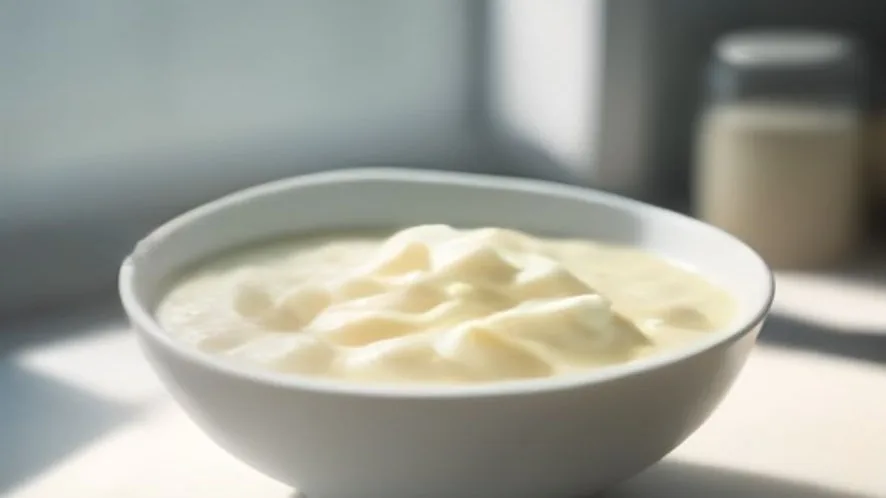
Short answer: Your yogurt is runny because the milk proteins did not coagulate fully, often due to insufficient fermentation time, low fermentation temperature, use of low-fat milk, or lack of proper straining to remove whey. These factors prevent the formation of a firm gel network, leaving excess liquid whey and a thin consistency.
Yogurt can turn out runny due to several factors related to the fermentation process and milk composition. The key is the coagulation of milk proteins during fermentation by live bacteria, which thickens the yogurt. If the milk proteins don’t set properly or excess liquid whey remains, the yogurt will be thin.
Understanding why yogurt is runny helps you adjust fermentation time, temperature, milk type, and straining methods. This page explains the main causes of runny yogurt and offers practical fixes. It’s useful for home cooks making yogurt from scratch or troubleshooting store-bought varieties.
Why is my yogurt runny
Your yogurt is runny because the milk proteins did not coagulate fully, often due to insufficient fermentation time, low fermentation temperature, use of low-fat milk, or lack of proper straining to remove whey.
Yogurt thickens as lactic acid bacteria ferment lactose into lactic acid, lowering the pH to about 4.6. This acidic environment causes casein proteins in the milk to denature and coagulate, forming a gel network that traps water and fat, producing thick yogurt. If fermentation is too brief or occurs below 40°C (104°F), the bacteria produce less acid, and proteins don’t set firmly, resulting in runny texture. Using skim or low-fat milk reduces the fat and protein content, weakening the gel structure. Additionally, if yogurt is not strained after fermentation, excess whey remains, which is the watery part separated from curd, causing thin consistency. Temperature fluctuations can also disrupt protein coagulation, making yogurt less firm.
Maintain a steady fermentation temperature between 40°C and 45°C (104°F–113°F) for 6 to 12 hours to allow full protein coagulation. Use whole milk for richer fat and protein content, and strain the finished yogurt through cheesecloth or a fine sieve to remove excess whey for thicker consistency. Avoid disturbing yogurt as it sets to preserve the gel structure.
How to avoid runny yogurt next time
- Use whole milk instead of skim or low-fat milk for better protein and fat content that thickens yogurt.
- Keep fermentation temperature steady between 40°C and 45°C (104°F and 113°F) to ensure proper protein coagulation.
- Ferment yogurt for at least 6 hours to allow full acid development and thickening; longer times produce tangier yogurt.
- Strain yogurt through a fine cloth or mesh to remove excess whey if a thicker texture is desired.
- Avoid stirring yogurt immediately after fermentation as this can break the gel network and cause runniness.
- Cool yogurt promptly after fermentation and refrigerate to stop bacterial activity and stabilize texture.
Recipes that use this
Frequently Asked Questions
Can I fix runny yogurt after fermentation?
Yes, you can fix runny yogurt by straining it through cheesecloth, muslin, or a fine mesh sieve to remove excess liquid whey. This process thickens the yogurt by concentrating the solids. Place the yogurt in the cloth and allow it to drain in the refrigerator for several hours until it reaches the desired thickness. Refrigeration after straining also helps to stabilize the texture and improve firmness.
Does the type of milk affect yogurt thickness?
Yes, the milk type significantly affects yogurt thickness. Whole milk contains more fat and proteins, which help form a stronger gel network during fermentation, resulting in creamier, thicker yogurt. Skim or low-fat milk has reduced fat and protein, leading to a weaker protein network and thinner, runnier yogurt. Using milk enriched with powdered milk or cream can also enhance thickness.
How long should I ferment yogurt for optimal thickness?
For optimal thickness, ferment yogurt for 6 to 12 hours at a steady temperature between 40°C and 45°C (104°F to 113°F). Shorter fermentation times produce less acid and a weaker protein gel, causing runny yogurt. Longer fermentation increases acidity and thickens yogurt but may also develop a tangier flavor. Monitoring time and temperature is crucial for consistent results.

Hi! I’m the creator of scooks (Simple Cooks).I share easy, practical recipes and simple cooking ideas to help you enjoy everyday home cooking with confidence.
Happy cooking! 🍽️