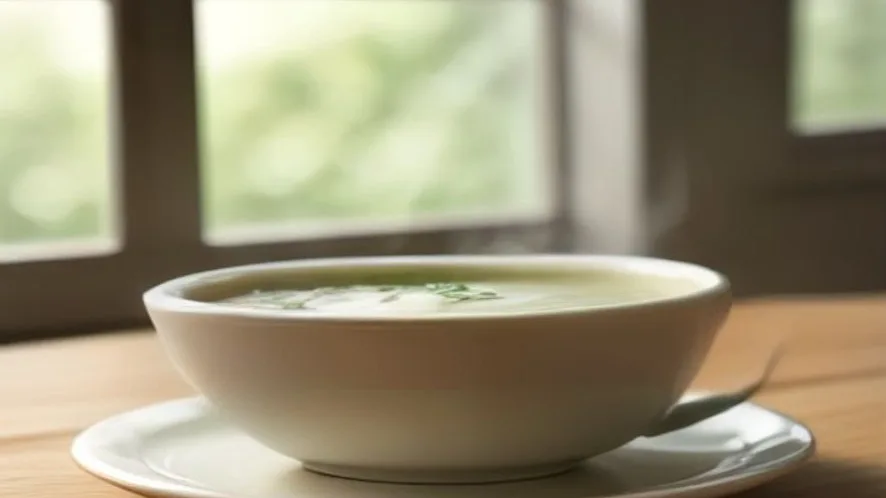
Short answer: Your soup is bland because it lacks enough salt, aromatics like onions or herbs, or hasn’t simmered long enough to develop flavors. Without proper seasoning and cooking time, the taste remains flat and unbalanced.
Soup can taste bland when it lacks sufficient seasoning, aromatics, or time for flavors to meld. Salt, herbs, spices, and slow simmering extract and deepen flavors by breaking down ingredients and releasing natural sugars and umami compounds. Insufficient seasoning or cooking time leaves the soup tasting flat and unbalanced.
This page explains why soups can be bland, salty, or watery and provides practical fixes. It helps cooks troubleshoot soups and stews that don’t taste right or have texture issues, improving flavor balance and consistency for better meals.
Written by Anisha Akter · Updated 12 September 2026
On this page
Why is my soup bland
Your soup is bland because it lacks enough salt, aromatics, or hasn’t simmered long enough to develop flavors.
Salt plays a crucial role in flavor enhancement by suppressing bitterness and amplifying sweetness and umami, which are key taste components in soups. Aromatics such as onions, garlic, and herbs release volatile compounds when sautéed or simmered, which contribute depth and complexity. Slow simmering at temperatures between 85-95°C (185-203°F) allows chemical reactions like the Maillard reaction and enzymatic breakdown to release natural sugars and amino acids from ingredients, enriching flavor. Without adequate seasoning, aromatics, or simmering time, the soup remains flat and unbalanced, lacking the layers of taste that make it satisfying.
Add salt gradually during cooking and include sautéed aromatics early; simmer soup gently for at least 30 minutes to fully develop flavors before tasting and adjusting seasoning.
Why is my soup too salty
Your soup is too salty because too much salt was added initially or concentrated by evaporation during cooking.
Salt concentration increases as water evaporates during cooking, especially when soups are simmered uncovered for long periods. This reduction concentrates all dissolved solids, including salt, which can quickly become overpowering. Ingredients like canned broths, cured meats, soy sauce, or salted butter contain hidden salt that adds up. The cumulative salt content can surpass taste thresholds, making the soup unpleasantly salty even if it seemed fine earlier. Additionally, uneven distribution of salt can cause some bites to taste saltier than others.
Add salt in small increments after initial simmering to allow flavor development. Use low-sodium broths and rinse canned ingredients to reduce hidden salt. Stir well and taste frequently to avoid oversalting.
Why is my stew watery
Your stew is watery because it lacks sufficient reduction or thickening agents to concentrate flavors and improve texture.
During cooking, vegetables and meats release water into the stew, which dilutes flavor if not reduced. Collagen and gelatin from connective tissues break down at 70-80°C (158-176°F) over long cooking times, thickening the liquid and adding body. Using lean cuts or cooking for too short a time prevents this process, resulting in a thin, watery broth. Additionally, not simmering uncovered limits evaporation, so excess liquid remains. The watery texture reduces mouthfeel and flavor intensity, making the stew less satisfying.
Simmer stew uncovered to allow water to evaporate and flavors to concentrate. Use cuts with connective tissue and cook long enough for collagen to break down. Add thickening agents if needed.
How to fix a bland soup
Fix a bland soup by adding salt gradually, incorporating acidic ingredients, and increasing aromatics or herbs to enhance flavor complexity.
Salt is essential for enhancing all flavor dimensions by suppressing bitterness and boosting sweetness and umami. Acids like lemon juice or vinegar brighten and balance flavors by stimulating salivation and taste buds, which enhances perception. Aromatics and fresh herbs add volatile compounds that refresh the palate and add depth. Umami-rich ingredients such as soy sauce, tomato paste, or mushrooms introduce glutamates that deepen flavor. Adjust seasoning only after simmering to avoid oversalting, and balance with acid or sweetness to create a rounded taste.
Add salt and acid little by little, tasting after each addition. Stir in fresh herbs or sautéed aromatics near the end of cooking for maximum flavor impact.
How to fix too salty soup
Fix too salty soup by diluting it with unsalted liquid, adding starchy ingredients, or balancing saltiness with acid or sweetness.
Diluting salty soup with water or unsalted broth lowers overall salt concentration, making it more palatable. Starchy ingredients like peeled potatoes absorb excess salt through osmosis; the starch granules swell and trap some salt ions, reducing perceived saltiness. Acids such as vinegar or lemon juice stimulate sour taste receptors, which can mask saltiness, while sweetness from sugar, carrots, or onions counteracts salt by engaging sweet receptors, balancing flavor. These methods adjust salt perception and concentration without removing salt chemically.
Add water or unsalted broth gradually while simmering to blend flavors. Introduce peeled potatoes to soak up salt, then remove before serving. Balance final taste with small amounts of acid or sugar as needed.
How to thicken a watery stew
Thicken watery stew by simmering uncovered to reduce liquid or adding thickening agents like flour, cornstarch, or pureed vegetables.
Simmering stew uncovered allows water to evaporate, concentrating flavors and thickening the broth as gelatin and starches are released from ingredients. Gelatin forms when collagen in connective tissue breaks down at 70-80°C (158-176°F) over long cooking times, adding body and a silky mouthfeel. Adding a slurry made from 1 tablespoon of flour or cornstarch mixed with cold water per cup of liquid gelatinizes starch molecules above 60°C (140°F), thickening the stew quickly and evenly without clumps. Pureed vegetables like potatoes, carrots, or squash add natural starch and fiber, thickening the stew while enhancing flavor and nutrition.
Simmer uncovered to evaporate 10-20% of liquid, or stir in a starch slurry and cook until thickened. Alternatively, blend cooked vegetables and stir into the stew for natural thickening.
How to thicken soup without cream
Thicken soup without cream by using pureed vegetables, blended beans, lentils, or a starch slurry made from flour or cornstarch.
Pureed starchy vegetables like potatoes, carrots, or squash release natural starches that thicken soups and add body without dairy. Beans and lentils, when blended, contribute protein and fiber, improving texture and mouthfeel while adding nutrition. A slurry of flour or cornstarch mixed with cold water thickens soup by gelatinizing starch molecules as the soup heats above 60°C (140°F). These methods avoid cream and dairy, making soups lighter and suitable for lactose intolerance or dietary restrictions, while maintaining a smooth, velvety texture.
Cook vegetables until soft, then blend and stir into soup. For slurry, mix 1 tablespoon starch with cold water per cup of soup, then stir in and heat until thickened.
How to avoid bland, salty, or watery soups and stews
- Add salt gradually during cooking and taste frequently to avoid under- or oversalting.
- Use fresh aromatics like onions, garlic, and herbs to build a strong flavor foundation early in cooking.
- Simmer soups and stews uncovered to allow excess water to evaporate and flavors to concentrate.
- Choose cuts of meat with connective tissue for stews to release gelatin and improve texture.
- Use low-sodium broths and rinse canned ingredients to control hidden salt levels.
- Incorporate acidic ingredients like lemon juice or vinegar near the end to brighten flavors without adding salt.
Recipes that use this
Frequently Asked Questions
Can I fix bland soup by adding more salt at the end?
Adding salt at the end can improve flavor, but it won’t fully fix blandness caused by missing aromatics or insufficient cooking time. Salt enhances existing flavors but doesn’t create them. For richer taste, also add herbs, acids, or sautéed aromatics, and simmer longer if possible to develop deeper flavor compounds.
What causes soup to taste flat even after seasoning?
Soup can taste flat if it lacks multiple layers of flavor. Missing sautéed aromatics like onions or garlic reduces flavor compounds. Lack of herbs, spices, or acidic balance also contributes. Additionally, insufficient simmering time prevents natural sugars and umami compounds from fully developing, resulting in a one-dimensional taste that feels dull and uninteresting.
Is it safe to add raw flour directly to stew to thicken it?
Adding raw flour directly can cause lumps and a pasty texture because flour absorbs liquid unevenly and clumps. It’s better to mix flour with cold water to form a smooth slurry before adding. Alternatively, cooking flour in fat to make a roux before adding liquid ensures even thickening and a smooth texture, avoiding lumps and unpleasant mouthfeel.

Hi! I’m the creator of scooks (Simple Cooks).I share easy, practical recipes and simple cooking ideas to help you enjoy everyday home cooking with confidence.
Happy cooking! 🍽️