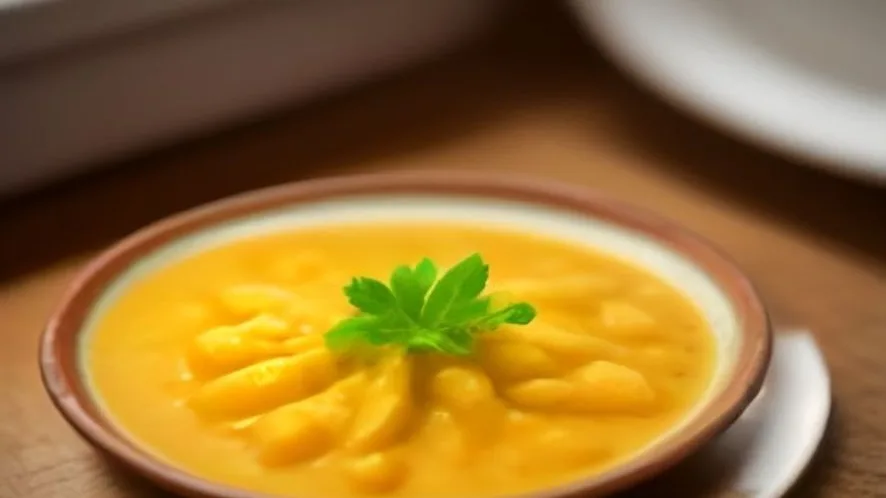
Short answer: Your curry is watery because it contains too much liquid, such as excess water, stock, or undrained canned tomatoes, or because the vegetables or meat did not release enough starch or fat to thicken the sauce. Undercooking and adding water late also cause this.
Curry can become watery when the balance of liquids and solids is off. Excess water from ingredients like canned tomatoes, stock, or added water dilutes the sauce. Also, vegetables and meat release starches and fats that thicken the sauce; if these are insufficient or undercooked, the sauce stays thin.
This page explains why curries become watery, bitter, or split, and how to fix these issues. It offers practical solutions for thickening curries without cornflour and managing spice and grease levels, helping cooks achieve the right curry consistency and flavor.
Written by Anisha Akter · Updated 12 September 2026
On this page
Why is my curry watery
Your curry is watery because it contains too much liquid or the ingredients have not thickened the sauce sufficiently, often due to excess water, stock, or undrained canned tomatoes and undercooked starches or fats.
Curry sauce thickens primarily through the gelatinization of starches and emulsification of fats. Vegetables such as onions, tomatoes, and potatoes release starches when cooked, which absorb water and swell, increasing the sauce’s viscosity. Meat and cooking oils contribute fats that emulsify with water, creating a thicker texture. When too much liquid—like water, stock, or undrained canned tomatoes—is added, the starch concentration drops, preventing proper thickening. Additionally, if the curry is not cooked long enough for starch gelatinization to occur (typically above 60°C or 140°F), the sauce remains thin. Adding water late in the cooking process dilutes the sauce without giving time for reduction or thickening, resulting in a watery curry.
Simmer your curry uncovered on low heat to allow excess liquid to evaporate, and cook ingredients until starches and fats have had time to thicken the sauce properly.
Why is my curry bitter
Curry turns bitter when spices are burnt, overcooked onions caramelize too darkly, or bitter ingredients like fenugreek or too much turmeric are added.
Bitterness in curry often results from chemical changes during cooking. Spices such as cumin, coriander, and fenugreek contain phenolic compounds that become bitter when exposed to high heat (above 160°C or 320°F) for prolonged periods, especially if burnt. Onions caramelize sugars when cooked; however, if they are cooked too long or at too high a temperature and turn black, they generate bitter-tasting compounds. Turmeric, a common curry spice, imparts bitterness if used excessively. These bitter compounds can overpower the dish’s balance and mask other flavors.
Toast spices gently over medium heat until aromatic but not darkened, cook onions until golden brown rather than black, and measure turmeric carefully to avoid adding excess.
Why did my curry split
Your curry split because the fat separated from the water phase, usually due to overheating, rapid temperature changes, or adding acidic ingredients too early.
Curry sauces are emulsions where fat droplets are suspended in a watery phase. Overheating the sauce above 85°C (185°F), especially rapidly, causes the emulsion to break, leading to fat separation or ‘splitting’. Adding acidic ingredients like yogurt or tomatoes before the sauce has thickened can denature proteins and destabilize the emulsion, causing curdling. Additionally, vigorous stirring or agitation can mechanically break the emulsion. Once split, the sauce appears greasy and watery with visible fat pools.
Add acidic ingredients only after the sauce has thickened, maintain gentle simmering temperatures between 80°C and 85°C (176°F to 185°F), and stir gently to preserve the emulsion.
How to fix watery curry
Fix watery curry by simmering it uncovered to reduce liquid, adding thickening agents like pureed vegetables or ground nuts, or cooking longer to allow starch gelatinization.
To thicken a watery curry, evaporation is the simplest method: simmering uncovered allows water to evaporate, concentrating flavors and thickening the sauce. Incorporating pureed cooked vegetables such as onions, tomatoes, or potatoes adds natural starches that gelatinize and thicken the sauce. Ground nuts like cashews or almonds contribute fats and proteins that increase viscosity and mouthfeel. Extended cooking time permits starch molecules to absorb water and swell, which enhances thickness. Avoid adding raw water late in cooking, as it dilutes the sauce and prolongs the thickening process.
Simmer your curry on low heat without a lid to reduce excess liquid, stir in a spoonful of ground nuts or pureed cooked potatoes, and continue cooking until the desired thickness is achieved.
How to fix too spicy curry
Fix too spicy curry by adding dairy like yogurt or coconut milk, increasing starch content with potatoes or rice, or diluting with additional vegetables or liquid.
The heat in spicy curry comes mainly from capsaicin, which is fat-soluble and binds to fats in dairy products, reducing the perception of spiciness. Adding yogurt or coconut milk introduces fat that binds capsaicin, soothing the palate. Starchy ingredients like peeled potatoes or cooked rice absorb some of the spicy compounds during cooking, mellowing heat. Adding more liquid or mild vegetables dilutes the concentration of spices. Sugar does not neutralize heat but can balance flavor; however, it does not reduce the physical sensation of spiciness.
Stir in a dollop of yogurt or coconut milk to calm heat, add peeled potato chunks to simmer and absorb spice, or increase the volume with mild vegetables to balance the spice level.
How to thicken curry without cornflour
Thicken curry without cornflour by pureeing cooked vegetables, adding ground nuts or seeds, reducing the sauce by simmering, or incorporating coconut cream or yogurt.
Cornflour thickens by gelatinizing starch molecules at approximately 95°C (203°F). Alternatives include pureed cooked vegetables like onions, tomatoes, or potatoes, which contain natural starches that swell and absorb water to thicken the sauce when heated. Ground nuts and seeds add fats and proteins that increase viscosity and richness. Reducing the sauce by simmering evaporates excess water, concentrating starches and fats to thicken the curry naturally. Adding coconut cream or yogurt provides fat and protein, increasing creaminess and thickness, but should be added carefully to prevent splitting.
Use pureed cooked onions or potatoes, ground cashews, or simmer the curry uncovered to achieve thickness without cornflour, adding dairy ingredients towards the end.
How to fix a greasy curry
Fix greasy curry by skimming excess fat from the surface, adding starchy ingredients to absorb fat, or chilling and removing solidified fat before reheating.
Excess fat rises to the surface of curry because fat is less dense than water. Skimming the surface with a spoon or ladle physically removes this fat. Starchy ingredients like peeled potatoes absorb some fat during cooking, reducing greasiness. Chilling the curry causes fat to solidify on top, which can then be lifted off before reheating, improving texture and reducing oiliness. Using excessive oil or fatty meat cuts increases grease content, making these methods necessary to balance the dish.
Regularly skim fat with a spoon during cooking, add peeled potato chunks to absorb fat, or refrigerate the curry and remove the solid fat layer before reheating and serving.
How to avoid common curry texture and flavor issues
- Simmer curry uncovered to allow excess liquid to evaporate and encourage natural thickening.
- Toast spices gently at medium heat to avoid burning and developing bitterness.
- Add acidic ingredients like tomatoes or yogurt only after the curry has thickened to maintain emulsion.
- Avoid adding raw water late in cooking to preserve sauce consistency and thickness.
- Use measured amounts of oil and select leaner meat cuts to control grease levels.
- Incorporate natural thickeners like pureed vegetables early in cooking for better texture and flavor.
Recipes that use this
Frequently Asked Questions
Can I use flour instead of cornflour to thicken curry?
Yes, you can use all-purpose flour as a thickener, but it requires mixing with water to form a smooth slurry to prevent lumps. Flour thickens at temperatures around 95°C (203°F) and needs longer cooking to eliminate its raw taste. It produces a denser, less glossy sauce compared to cornflour.
Why does my curry taste bland sometimes?
A bland curry often results from under-toasting spices, insufficient salt, or not cooking the sauce long enough to develop flavors. Toasting spices releases essential oils that enhance aroma and taste. Proper seasoning with salt balances flavors, and simmering allows spices and ingredients to meld and deepen the curry’s complexity.
Is it safe to reheat curry multiple times?
Reheating curry multiple times increases the risk of bacterial growth and foodborne illness. It is safest to reheat curry only once and consume it promptly. Leftovers should be stored in the refrigerator below 5°C (41°F) within two hours of cooking to minimize bacterial growth and maintain food safety.

Hi! I’m the creator of scooks (Simple Cooks).I share easy, practical recipes and simple cooking ideas to help you enjoy everyday home cooking with confidence.
Happy cooking! 🍽️