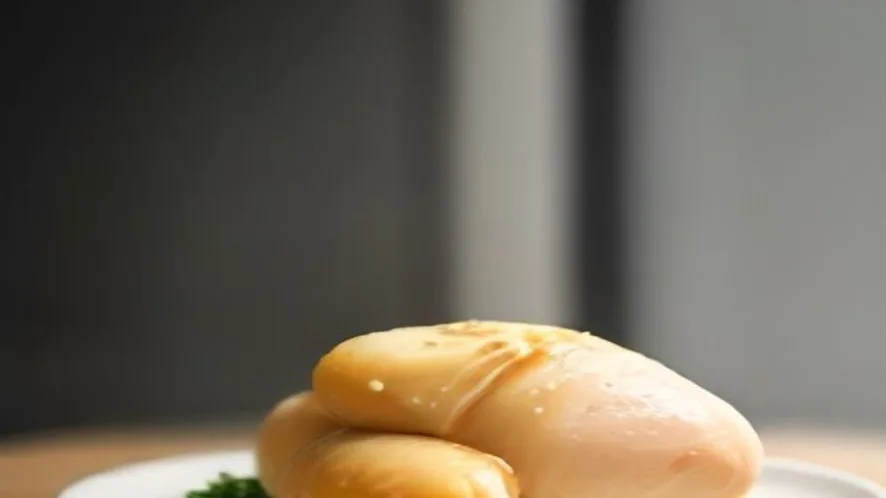
Short answer: Yes, you can freeze cooked chicken safely for up to four months. Freeze it in airtight containers or freezer bags to prevent freezer burn. Proper freezing preserves flavor and texture, and thaw it in the fridge before reheating to ensure safety and quality.
Cooked chicken often remains after meals, raising the question of whether it can be frozen without compromising safety or quality. Freezing halts bacterial growth by keeping food at or below -18°C (0°F), preserving it for months. However, improper freezing or storage leads to freezer burn or texture changes.
This page explains how to freeze cooked chicken effectively and safely. It also covers related topics like freezing raw chicken twice, fridge storage durations for cooked and marinated chicken, signs of spoilage, reheating fried chicken properly, and tips for meal prepping chicken that stays moist.
Written by Anisha Akter · Updated 13 September 2026
On this page
Can you freeze cooked chicken
Yes, you can freeze cooked chicken safely for up to four months if stored properly in airtight packaging to prevent freezer burn and maintain quality.
Freezing cooked chicken effectively halts microbial activity by maintaining temperatures at or below -18°C (0°F), which prevents bacterial growth and spoilage. The freezing process causes water inside the chicken cells to form ice crystals. Over time, these crystals can damage the muscle fibers, leading to moisture loss and changes in texture such as dryness or toughness once thawed. To minimize these effects, packaging cooked chicken tightly in airtight containers or vacuum-sealed bags reduces exposure to air and moisture loss, preventing freezer burn and oxidation. Label packages with the freezing date and consume within four months for optimal flavor, texture, and safety. Proper freezing preserves nutrients and flavor, making cooked chicken safe and convenient for later use.
Cool cooked chicken completely before freezing and pack tightly in freezer bags or airtight containers with minimal air to prevent freezer burn.
Can you freeze raw chicken twice
You should not freeze raw chicken twice unless it was thawed safely in the fridge and not left out at room temperature.
Refreezing raw chicken can increase the risk of foodborne illness if the chicken was not thawed properly. When raw chicken is thawed at room temperature, bacteria such as Salmonella and Campylobacter can multiply rapidly between 4°C and 60°C (40°F and 140°F), known as the danger zone. Refreezing chicken that has been at unsafe temperatures allows these bacteria to survive and multiply, increasing health risks. However, if raw chicken is thawed in the refrigerator at or below 4°C (40°F), bacterial growth is minimal, making it safe to refreeze within 1-2 days. Each freeze-thaw cycle also causes ice crystals to rupture muscle fibers, degrading texture, moisture retention, and overall quality. Limit refreezing to maintain the best taste and safety of the chicken.
Always thaw raw chicken in the fridge and refreeze only if it hasn’t been out over two hours to ensure safety.
How long does cooked chicken last in the fridge
Cooked chicken lasts 3 to 4 days in the fridge when stored at or below 4°C (40°F) in airtight containers.
Refrigeration slows but does not stop bacterial growth on cooked chicken. At temperatures above 4°C (40°F), pathogens such as Listeria monocytogenes can multiply to unsafe levels. To limit bacterial proliferation, cooked chicken should be refrigerated within two hours of cooking. Storing it in airtight containers or tightly wrapped in plastic wrap helps maintain moisture and prevents cross-contamination with other foods. Consuming cooked chicken within 3 to 4 days reduces the risk of foodborne illness and spoilage. When reheating leftovers, heat the chicken to an internal temperature of 74°C (165°F) to kill any bacteria that may have grown during storage. Proper refrigeration and timely consumption ensure both safety and quality.
Store cooked chicken in sealed containers and place it in the coldest part of the fridge to maximize shelf life.
How long does marinated chicken last in the fridge
Marinated chicken lasts up to 2 days in the fridge at or below 4°C (40°F) before cooking or freezing.
Marinades typically contain acidic ingredients like lemon juice, vinegar, or enzymatic components like pineapple or papaya, which break down meat fibers and tenderize the chicken. While this enhances flavor and texture, extended marinating times can lead to mushy meat and increased risk of spoilage. Refrigeration slows bacterial growth, but marinated chicken should not remain in the fridge beyond 48 hours before cooking or freezing. Storing marinated chicken in airtight containers or sealed bags prevents contamination and limits odor transfer to other foods. Always marinate chicken in the refrigerator, not at room temperature, to maintain safety and quality.
Marinate chicken in the fridge and cook or freeze it within 2 days to maintain safety and flavor.
How to tell if chicken has gone bad
Chicken has gone bad if it smells sour or ammonia-like, feels slimy, or shows discoloration like gray or green patches.
Spoilage bacteria metabolize proteins in chicken, producing off-odors such as sour, rancid, or ammonia-like smells. These odors are distinct from the mild smell of fresh chicken. Bacterial growth also produces sticky or slimy residues on the surface, a clear sign of spoilage. Color changes from the normal pinkish hue to gray, green, or yellow indicate oxidation and decomposition. Texture changes such as excessive softness, tackiness, or a slimy film further confirm spoilage. These signs mean the chicken is unsafe to eat and should be discarded immediately. Do not rely solely on expiration dates; always inspect chicken before cooking or eating.
Always inspect chicken visually and by smell before use; discard it if any spoilage signs appear.
How to reheat fried chicken
Reheat fried chicken in an oven at 190°C (375°F) for 10-15 minutes to restore crispness without drying it out.
Microwaving fried chicken generates steam that softens the crispy coating and can dry out the meat unevenly. Reheating in a preheated oven at 190°C (375°F) allows moisture to evaporate gradually, maintaining a crispy crust while warming the interior evenly. Placing the chicken on a wire rack over a baking sheet promotes air circulation around the pieces, preventing sogginess. Covering the chicken with foil traps steam, which can soften the crust, so it is best to reheat uncovered. To retain moisture, place a small oven-safe dish of water in the oven to create humidity. Check internal temperature reaches 74°C (165°F) before serving.
Preheat the oven fully and reheat chicken uncovered on a rack to maintain crisp texture.
Meal prep chicken that does not dry out
To keep meal prep chicken moist, cook it to 74°C (165°F) internal temperature and store with some cooking juices or sauce in airtight containers.
Overcooking chicken causes muscle fibers to contract tightly, squeezing out moisture and resulting in dryness. Using a meat thermometer to reach the USDA recommended safe internal temperature of 74°C (165°F) ensures safety with minimal moisture loss. Storing chicken with its cooking juices or a sauce helps retain moisture during refrigeration or freezing by creating a humid environment that prevents drying. When reheating, use gentle methods such as oven baking at moderate temperatures or covered microwave heating to prevent moisture loss. Adding a splash of broth or sauce during reheating can also improve juiciness and flavor retention.
Use a meat thermometer to avoid overcooking and store chicken with sauce or broth for moisture retention.
How to avoid problems when freezing and storing chicken
- Freeze cooked chicken within two hours of cooking to prevent bacterial growth.
- Use airtight or vacuum-sealed packaging to minimize freezer burn during freezing.
- Thaw frozen chicken in the fridge, never on the counter, to reduce bacterial risk.
- Avoid refreezing raw chicken unless it was thawed safely in the fridge.
- Store cooked and marinated chicken in the coldest part of the fridge below 4°C (40°F).
- Discard chicken if it smells off, feels slimy, or shows discoloration to avoid food poisoning.
Recipes that use this
Frequently Asked Questions
Can you freeze cooked chicken with vegetables?
Yes, cooked chicken combined with cooked vegetables can be frozen safely. Ensure both are fully cooled before packing in airtight containers or freezer bags to reduce condensation and ice crystals. This method is convenient for meal prep but may slightly affect the texture of some vegetables upon thawing, especially those with high water content like lettuce or cucumbers. Root vegetables or cooked beans freeze better. Use within four months for best quality.
Is it safe to eat cooked chicken that has been in the fridge for a week?
No, cooked chicken stored in the fridge beyond 4 days is unsafe to eat. Bacteria such as Listeria monocytogenes can grow to harmful levels even at refrigeration temperatures after this time, increasing the risk of foodborne illness. Even if the chicken looks and smells normal, consuming it after a week is not recommended. Always adhere to the 3 to 4 day guideline and discard leftovers past this period to ensure safety.
How should you thaw frozen cooked chicken?
The safest way to thaw frozen cooked chicken is in the refrigerator at or below 4°C (40°F) over 12 to 24 hours depending on the portion size. This slow thawing prevents bacterial growth and maintains the meat’s texture and flavor. Avoid thawing at room temperature to reduce food safety risks. For quicker thawing, you can use a sealed plastic bag submerged in cold water changed every 30 minutes, but cook or reheat immediately after thawing.

Hi! I’m the creator of scooks (Simple Cooks).I share easy, practical recipes and simple cooking ideas to help you enjoy everyday home cooking with confidence.
Happy cooking! 🍽️