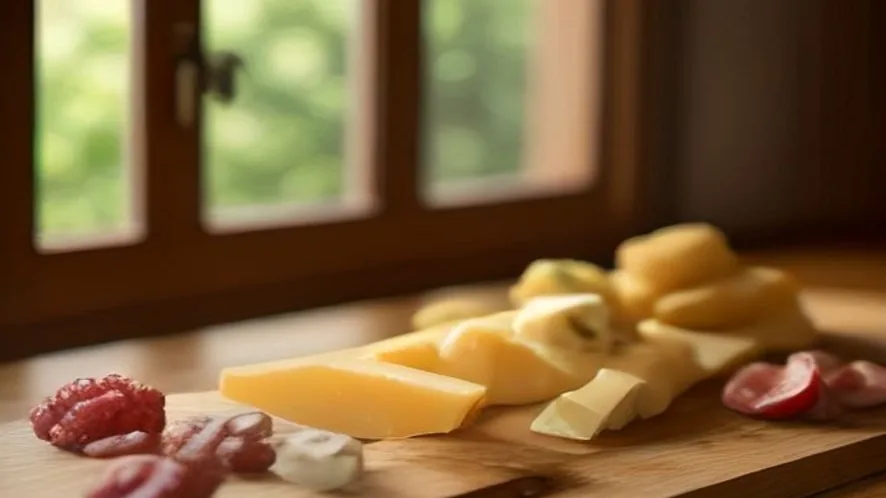
Short answer: Serve a variety of fresh fruits like grapes and figs, assorted nuts, cured meats such as salami or prosciutto, and an assortment of breads or crackers with a cheese board. Add honey, jams, or chutneys to complement and balance the rich flavors of the cheeses.
Cheese boards are popular for entertaining because they offer a variety of flavors and textures in one presentation. However, simply serving cheese alone can feel heavy or monotonous. Including accompaniments provides contrast and balance, enhancing the overall tasting experience.
This page explains what to serve with a cheese board to create a harmonious selection. It helps hosts and home cooks choose complementary items like fruits, nuts, meats, and spreads that enhance the cheese without overpowering it.
Written by Anisha Akter · Updated 14 September 2026
What to serve with a cheese board
Serve fresh fruits like grapes and figs, assorted nuts, cured meats such as salami or prosciutto, and a variety of breads or crackers with a cheese board. Add honey or jams to balance and enhance the cheese flavors.
Cheese boards combine rich, fatty, and often salty flavors that can be intense on the palate if eaten alone. Fresh fruits such as grapes, apples, pears, or figs add natural sweetness and acidity, which cut through the fat and cleanse the palate. The acidity lowers the pH in the mouth, helping to break down fat molecules and refresh the taste buds. Nuts like almonds, walnuts, or pecans provide crunchy texture and a mild bitterness that contrasts the cheese’s creaminess and saltiness, adding complexity to each bite. Cured meats such as salami, prosciutto, or chorizo contribute savory, umami-rich flavors that enhance the salty notes of cheese and add protein to the spread. Bread or crackers serve as a neutral, crunchy base that carries the flavors and adds texture variety, preventing the palate from becoming overwhelmed by fat and salt. Honey, fruit jams, or chutneys contribute sweetness and moisture, balancing strong or sharp cheeses and enhancing their flavor complexity by interacting with the cheese’s proteins and fats. Including a range of textures and flavor profiles creates a layered tasting experience that keeps the palate engaged and balanced throughout the tasting session, making the cheese board more enjoyable and varied.
Choose fresh, seasonal fruits for optimal sweetness and acidity to balance richness. Select unsalted or lightly salted nuts to prevent overpowering the cheese’s delicate flavors. Offer at least two types of bread or crackers—one plain and one with seeds or herbs—for textural and flavor contrast. Include both soft and hard cheeses to vary mouthfeel and taste, and add small bowls of honey or jams to allow guests to customize their bites.
How to avoid common cheese board pairing mistakes
- Avoid overcrowding the board; leave space between items for easy picking and visual appeal.
- Do not serve overly sweet accompaniments that can mask the delicate flavors of cheese.
- Avoid very strong-smelling items like pungent fish or garlic-heavy spreads that overpower mild cheeses.
- Use fresh rather than dried fruits to maintain juiciness and acidity, which balance richness.
- Serve nuts raw or lightly toasted without salt to keep their flavor subtle and complementary.
- Include a variety of textures—soft, crunchy, creamy—to engage the palate and prevent monotony.
Recipes that use this
Frequently Asked Questions
What non-alcoholic drinks pair well with a cheese board?
Non-alcoholic drinks with acidity and freshness pair best with a cheese board. Sparkling water provides a clean palate cleanse between bites, while apple cider offers a mild sweetness and tartness that complements many cheeses. Non-alcoholic grape juice mimics wine’s fruity notes without alcohol, balancing the rich, fatty flavors of cheeses and accompaniments.
Which cheeses pair best with honey or jams?
Mild and creamy cheeses such as Brie, Camembert, or fresh goat cheese pair exceptionally well with honey or fruit jams because their delicate flavors are enhanced by sweetness. Stronger cheeses like aged cheddar, blue cheese, or Gruyere also benefit from a touch of sweetness, which offsets their sharpness and saltiness. However, the amount of honey or jam should be moderate to avoid overpowering the cheese’s natural character.
How long should cheese sit out before serving?
Cheese should be left at room temperature for about 30 to 60 minutes before serving. This resting time allows fats and proteins in the cheese to soften and release their full flavors and aromas. Serving cheese too cold masks its taste and texture, while allowing it to warm slightly creates a more enjoyable and nuanced tasting experience.

Hi! I’m the creator of scooks (Simple Cooks).I share easy, practical recipes and simple cooking ideas to help you enjoy everyday home cooking with confidence.
Happy cooking! 🍽️