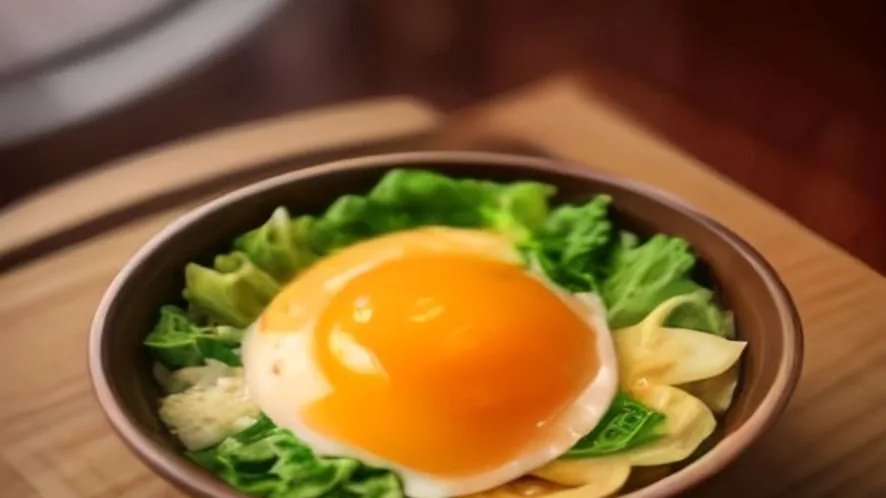
Short answer: Serve bibimbap with Korean side dishes like kimchi, mild brothy soups such as doenjang jjigae, and simple steamed or sautéed vegetables to balance its spicy, savory flavors and provide textural contrast.
Bibimbap is a Korean mixed rice dish featuring warm rice topped with sautéed vegetables, meat, a fried egg, and chili paste. Its complex flavors and textures often prompt cooks to wonder what side dishes or accompaniments will best complement and balance the meal without overwhelming it.
This page explains what to serve with bibimbap to create a well-rounded meal. It offers suggestions rooted in Korean culinary traditions and explains why these choices work well, helping anyone preparing bibimbap to complete their dinner thoughtfully.
Written by Anisha Akter · Updated 14 September 2026
What to serve with bibimbap
Serve bibimbap with Korean side dishes like kimchi, mild brothy soups such as doenjang jjigae, and simple steamed or sautéed vegetables to balance its spicy, savory flavors and provide textural contrast.
Bibimbap is a dish with a complex interplay of flavors and textures, combining warm rice, sautéed or pickled vegetables, marinated meat, a fried egg, and spicy gochujang sauce. Because of this complexity, the best side dishes are those that enhance and balance these elements without overpowering them. Kimchi, a fermented cabbage or radish side, introduces tangy acidity and crunch, which helps cut through the richness of the meat and egg. Doenjang jjigae, a mild, fermented soybean paste soup, adds a warm, savory broth that complements the umami flavors without adding excessive heat. Steamed or lightly sautéed vegetables, such as spinach or bean sprouts, bring freshness and a soft texture, balancing the chewiness and spice. Together, these sides create a harmonious meal with varied flavors, textures, and temperatures, enhancing the overall dining experience and aiding digestion.
Include at least one fermented side like kimchi for acidity and digestion, a mild soup to add moisture, and a simple vegetable dish to introduce freshness and texture contrast.
How to avoid an unbalanced bibimbap meal
- Use side dishes that balance bibimbap’s strong flavors rather than compete, such as mild soups and fresh vegetables.
- Avoid overly heavy or greasy sides that can overwhelm the delicate balance of bibimbap.
- Serve side dishes at moderate temperatures to complement the warm bibimbap without cooling the meal too much.
- Choose fermented sides like kimchi to aid digestion and enhance flavor complexity.
- Include a variety of textures—crunchy, soft, and chewy—to keep the meal interesting and balanced.
Recipes that use this
Frequently Asked Questions
Can I serve non-Korean dishes with bibimbap?
Yes, you can serve non-Korean dishes alongside bibimbap, but it’s important to choose sides that complement its spicy, savory, and umami-rich profile. Simple salads with light dressings, steamed greens, or mild brothy soups work well because they add freshness and moisture without clashing with the complex flavors of bibimbap. Avoid heavy, greasy, or strongly flavored dishes that might overpower the meal.
What drinks pair well with bibimbap?
Light beverages such as traditional Korean barley tea (bori cha), mild rice wines like makgeolli, or sparkling water are excellent choices to accompany bibimbap. These drinks refresh the palate and balance the spiciness and richness of the dish without overwhelming the flavors. Avoid sugary sodas or heavy alcoholic drinks that can mask or compete with the nuanced tastes of bibimbap and its sides.
Are there vegetarian sides suitable for bibimbap?
Yes, many vegetarian side dishes pair well with bibimbap. Steamed or sautéed vegetables like spinach, bean sprouts, and zucchini provide freshness and texture. Kimchi made without fish sauce or shrimp paste suits vegetarian diets and adds fermented tang. Mild tofu soups, such as doenjang jjigae made with vegetable broth, offer warmth and umami without meat. These sides maintain the balance of flavors and textures in the meal for vegetarians.

Hi! I’m the creator of scooks (Simple Cooks).I share easy, practical recipes and simple cooking ideas to help you enjoy everyday home cooking with confidence.
Happy cooking! 🍽️