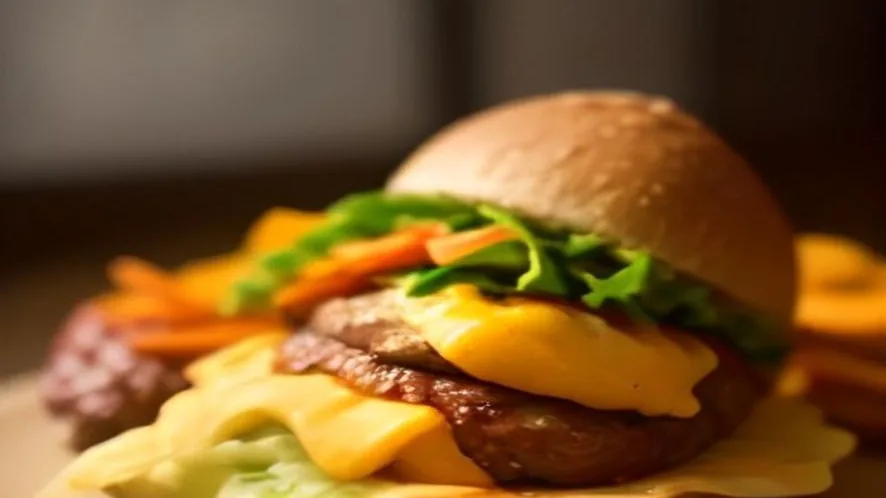
Short answer: Serve burgers with alternatives to fries such as fresh salads, roasted or grilled vegetables, coleslaw, sweet potato wedges, or even grain bowls. These options offer a balance of flavors, textures, and nutrients, providing variety and often healthier choices than traditional fries.
Burgers are a popular meal, often paired with classic French fries, but not everyone wants or can have fries every time. Fries are high in fat and calories, and some people seek alternatives that complement the burger’s flavors while adding nutritional value or variety.
This page explores practical and tasty alternatives to fries for serving with burgers. It helps cooks find side dishes that suit different dietary preferences, textures, and flavors, making burger meals more interesting and balanced.
Written by Anisha Akter · Updated 14 September 2026
what to serve with burgers instead of fries
Serve burgers with fresh salads, roasted vegetables, coleslaw, grilled corn, sweet potato wedges, or grain-based sides like quinoa for a nutritious and flavorful alternative to fries.
Fries are typically deep-fried potatoes high in fat and calories, often containing 15 to 20 grams of fat per serving and around 300 to 400 calories. Alternatives such as fresh salads add crispness, fiber, and vitamins with very low calories. Roasted or grilled vegetables develop caramelized flavors through the Maillard reaction at temperatures of 200°C to 220°C (400°F to 425°F), enhancing taste without added fat. Coleslaw combines shredded cabbage and carrots with a light dressing, offering a creamy texture and acidic balance to the burger’s richness. Sweet potato wedges provide more fiber and beta-carotene than white potatoes; baking them at 200°C (400°F) with a small amount of oil reduces fat compared to frying. Grain-based sides like quinoa or couscous add complex carbohydrates and protein, making the meal more filling and nutritionally diverse. These options improve the meal’s texture and flavor variety while often lowering total fat and calorie intake compared to fries.
Try roasting vegetables such as zucchini, bell peppers, or carrots at 200°C (400°F) for 20-25 minutes with a light coating of olive oil and seasoning for a tasty, low-fat side. Pair this with a crisp green salad dressed with lemon juice or vinegar to add brightness and contrast.
How to avoid fries and keep burger meals balanced
- Avoid overloading sides with heavy dressings or excess oil to keep meals balanced and healthy.
- Prepare vegetable sides with dry-heat methods like roasting or grilling to reduce added fats compared to frying.
- Include a variety of textures and flavors in sides to complement the burger without overpowering it.
- Use fresh herbs and citrus-based dressings to add brightness and reduce reliance on creamy sauces.
- Choose whole-food sides rich in fiber and nutrients to enhance satiety and overall meal quality.
Recipes that use this
Frequently Asked Questions
Can I use frozen vegetables as a side instead of fries?
Yes, frozen vegetables are a convenient and nutritious alternative. When roasted or steamed, they retain most of their vitamins and minerals despite freezing. Roasting at 200°C (400°F) caramelizes their natural sugars, improving flavor and texture. Frozen vegetables reduce prep time and waste, making them practical for quick meals alongside burgers.
What dipping sauces work with non-fries sides?
Light vinaigrettes, yogurt-based dips, or salsa are excellent choices. Vinaigrettes made with vinegar or citrus juice add acidity that brightens roasted vegetables or salads. Yogurt dips provide creaminess with less fat than mayonnaise-based sauces. Salsas add fresh, spicy notes and moisture without heaviness, enhancing the flavor of sides like sweet potato wedges or grilled corn.
Are sweet potato fries healthier than regular fries?
Sweet potato fries contain more fiber and beta-carotene than regular fries, which supports digestion and provides vitamin A. However, if deep-fried, they can have similar fat and calorie content to white potato fries. Baking sweet potato fries at 200°C (400°F) with minimal oil is a healthier option that reduces fat while retaining flavor and texture.

Hi! I’m the creator of scooks (Simple Cooks).I share easy, practical recipes and simple cooking ideas to help you enjoy everyday home cooking with confidence.
Happy cooking! 🍽️