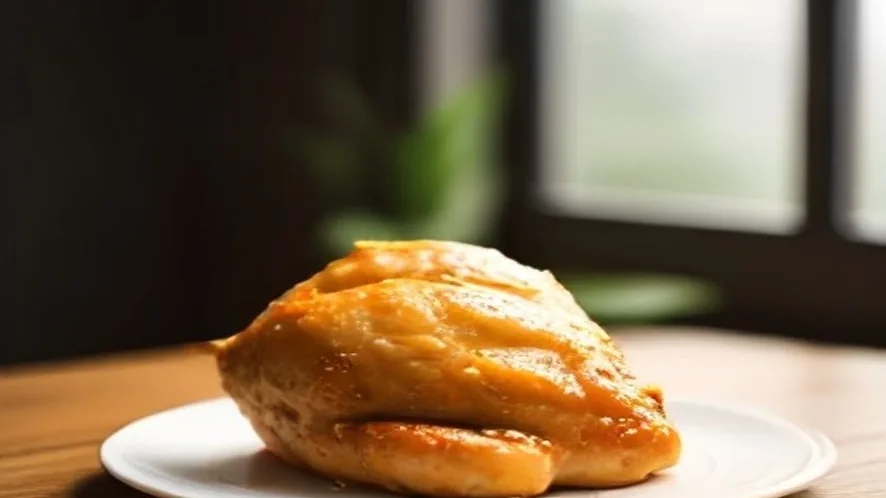
Short answer: Chicken becomes rubbery because its proteins tighten excessively from overcooking or cooking at too high a temperature, squeezing out moisture. This causes a dense, chewy texture. Proper cooking temperature and time are key to avoiding rubbery chicken.
Chicken turning rubbery is a common cooking problem caused by how proteins in the meat react to heat. When chicken is exposed to temperatures above approximately 70°C (160°F) for too long, the muscle fibers contract tightly, pushing out moisture and resulting in a rubbery texture. This can occur across many cooking methods including frying, baking, grilling, or even microwaving if not carefully timed.
This page explains why chicken becomes rubbery and also covers related issues such as dryness after cooking, toughness in slow cookers, and dryness in air fryers. It provides detailed scientific explanations and practical advice for home cooks to improve chicken texture, especially when using slow cookers and air fryers.
Written by Anisha Akter · Updated 13 September 2026
On this page
Why is my chicken rubbery
Chicken is rubbery because its proteins have tightened too much due to overcooking or cooking at too high a temperature, causing moisture loss and a dense texture.
Chicken muscle contains proteins such as myosin and actin that begin to denature and coagulate at around 55°C (131°F). As heat increases past 70°C (160°F), these proteins contract strongly, squeezing out water trapped within muscle fibers. This moisture loss leads to a firmer, drier texture perceived as rubbery or chewy. Overcooking accelerates this process, especially if cooking temperatures exceed 180°C (356°F) or if chicken is exposed to heat for extended periods. The rapid tightening of proteins makes the meat less tender and less juicy.
Use a meat thermometer to monitor internal temperature and remove chicken from heat once it reaches 74°C (165°F). Cook at moderate temperatures and allow chicken to rest 5-10 minutes to let juices redistribute for a tender texture.
Why is my chicken dry after cooking
Chicken is dry after cooking because moisture evaporated or leaked out due to overcooking, high heat, or insufficient resting time.
When chicken is cooked beyond the USDA-recommended internal temperature of 74°C (165°F), proteins contract excessively and expel moisture. High heat or prolonged cooking times increase evaporation of water from the meat’s surface and interior. Additionally, cutting into chicken immediately after cooking causes juices to escape rather than redistribute, worsening dryness. The lean nature of chicken breast, which contains less fat and connective tissue, makes it particularly prone to drying out if not cooked carefully or rested properly.
Use a reliable meat thermometer to avoid overcooking and let chicken rest uncovered or loosely tented with foil for 5-10 minutes before slicing to retain moisture.
Why is my chicken tough in the slow cooker
Chicken becomes tough in a slow cooker when cooked too long or at too high a temperature, causing proteins to tighten and moisture to diminish.
Slow cookers generally operate between 77°C and 93°C (170°F to 200°F). While slow cooking is ideal for tough cuts with connective tissue that breaks down into gelatin, chicken breast contains little collagen and is mostly lean muscle. Extended cooking times beyond 1.5-2 hours, even at low temperatures, cause the muscle fibers to lose moisture and contract tightly, resulting in a tough, dry texture. Dark meat with more fat and collagen tolerates longer cooking better, but lean breast meat is sensitive to overcooking in slow cookers.
Add chicken breast later in the cooking process or limit cooking times to 2 hours on high or 3-4 hours on low to avoid toughness. Use dark meat for longer slow cooking.
Why is my air fryer chicken dry
Air fryer chicken is dry because hot circulating air cooks meat quickly, causing rapid moisture loss if overcooked or cooked at too high a temperature.
Air fryers use convection to circulate hot air, typically between 180°C and 200°C (356°F to 392°F). This hot air crisps the chicken surface rapidly but also evaporates moisture from the meat’s interior quickly. Lean cuts like chicken breast are especially vulnerable to drying out because they lack fat to retain moisture. Without careful timing and temperature control, the fast cooking process in an air fryer can overcook chicken before the inside remains juicy. Additionally, the small cooking chamber concentrates heat, increasing evaporation rates.
Cook chicken at 180°C (356°F) and use a meat thermometer to remove it at 74°C (165°F). Marinate or brine chicken beforehand to improve moisture retention and consider covering with foil briefly if needed.
How to fix dry chicken breast
Fix dry chicken breast by adding moisture through sauces, shredding and mixing with moist ingredients, or gently reheating with liquid to rehydrate the meat.
Dry chicken breast results from moisture loss due to overcooking. To improve its texture, slice or shred the chicken and combine with moist ingredients such as gravy, broth, or creamy sauces. Gentle reheating with a small amount of liquid in a covered pan allows the meat fibers to absorb moisture again, softening the texture. Using ingredients rich in fat or oil helps coat the meat, improving mouthfeel and masking dryness. Incorporating dry chicken into casseroles, soups, or salads with dressing also helps restore palatability.
Slice dry chicken thinly and simmer briefly in a sauce or broth to rehydrate before serving, or mix shredded chicken with moist ingredients like mayonnaise or yogurt for salads.
How to avoid rubbery and dry chicken
- Use a meat thermometer to cook chicken to the USDA-recommended internal temperature of 74°C (165°F).
- Avoid cooking chicken breast for too long, especially in slow cookers or air fryers, to prevent moisture loss.
- Let chicken rest for 5-10 minutes after cooking before slicing to allow juices to redistribute.
- Marinate or brine chicken breast before cooking to enhance moisture retention and tenderness.
- Cook at moderate temperatures rather than very high heat to prevent excessive protein contraction.
- Add moisture-rich ingredients or sauces when reheating leftover chicken to prevent dryness.
Recipes that use this
Frequently Asked Questions
Can marinating prevent rubbery chicken?
Marinating chicken can help prevent rubbery texture by adding moisture and tenderizing muscle fibers before cooking. Acidic ingredients like lemon juice, vinegar, or yogurt break down proteins slightly, making the meat less likely to tighten excessively during cooking. However, marinating alone cannot fully prevent rubberiness if chicken is overcooked or exposed to very high heat.
Is dark meat less likely to be rubbery than breast?
Yes, dark meat like thighs and drumsticks contain more fat and connective tissue than breast meat. During cooking, collagen in connective tissue breaks down into gelatin, which adds moisture and tenderness. This makes dark meat more forgiving and less likely to become rubbery compared to lean, low-fat chicken breast, which dries out and toughens more easily when overcooked.
Does resting chicken really improve texture?
Resting chicken after cooking allows the juices expelled from muscle fibers during heating to redistribute throughout the meat. This reabsorption helps keep the chicken moist and tender when cut. Without resting, juices escape immediately upon slicing, leading to drier, less tender meat. Resting for 5-10 minutes under loose foil is recommended to improve texture and juiciness.

Hi! I’m the creator of scooks (Simple Cooks).I share easy, practical recipes and simple cooking ideas to help you enjoy everyday home cooking with confidence.
Happy cooking! 🍽️