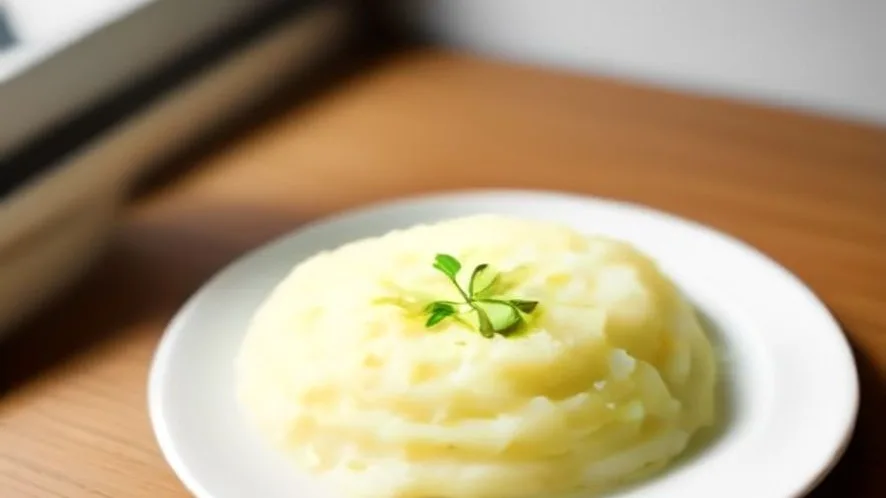
Short answer: Mashed potatoes turn gluey because the starch granules break down and release too much amylopectin when overmixed or when using high-starch potatoes like Russets. This creates a sticky, glue-like texture instead of smooth fluffiness.
Mashed potatoes often become gluey due to the breakdown of starches during mashing. High-starch potatoes like Russets release more amylopectin, a sticky component, especially if overworked with a mixer or vigorous mashing. This causes the texture to become sticky rather than light and fluffy.
This page explains why mashed potatoes turn gluey and also addresses related issues like watery mashed potatoes, uncrispy roast potatoes, and soggy fries from an air fryer. It offers scientific explanations and practical fixes to help home cooks improve their potato dishes and kitchen results.
Written by Anisha Akter · Updated 13 September 2026
On this page
Why are my mashed potatoes gluey
Mashed potatoes are gluey because overmixing causes starch molecules to rupture and release amylopectin, a sticky component, especially in high-starch potatoes like Russets.
Potatoes are composed largely of starch granules, which contain two major polysaccharides: amylose and amylopectin. When potatoes are cooked, these starch granules absorb water and swell, softening the potato’s texture. However, when mashed or mixed excessively, the cell walls and starch granules rupture, releasing amylopectin into the mash. Amylopectin is a highly branched molecule that becomes sticky and gelatinous when released. This stickiness causes the mash to become gluey and pasty instead of light and fluffy. High-starch potatoes like Russets have more amylopectin and less moisture, making them more prone to this effect compared to waxy varieties. The temperature during mashing also matters; working potatoes while still hot increases starch gelatinization and stickiness.
Use waxy potatoes such as Yukon Gold for mashing and mash gently by hand or with a ricer to minimize starch granule rupture and preserve fluffiness.
Why are my mashed potatoes watery
Mashed potatoes turn watery when they absorb too much water during boiling or when excess liquid is added without balancing the potato amount.
Wateriness in mashed potatoes typically results from excessive water absorption during cooking or adding too much liquid afterward. When potatoes are peeled before boiling, their exposed surfaces absorb more water, diluting the starch concentration. Overcooking potatoes breaks down cell walls, releasing internal water into the mash. Additionally, adding large amounts of cold or room-temperature milk, cream, or butter without adjusting potato quantity dilutes the starch network, weakening the mash’s structure and causing a thin, watery consistency. The ideal mashed potato texture balances moisture content to be creamy but not runny. Also, draining potatoes thoroughly after boiling is essential to remove excess water that would otherwise thin the mash.
Boil potatoes with skins on to reduce water absorption, drain thoroughly, and add liquids gradually while checking consistency.
Why are my roast potatoes not crispy
Roast potatoes lack crispiness due to insufficient drying, low roasting temperature, or overcrowding that traps steam and prevents browning.
Crispiness in roast potatoes depends on dry surfaces and high roasting temperatures to trigger Maillard browning reactions, which create a flavorful crust. If potatoes are wet or damp when placed in the oven, moisture turns to steam during roasting, which softens the exterior and prevents crispness. Roasting at temperatures around 220°C (425°F) or higher promotes the Maillard reaction and caramelization, producing a golden, crispy crust. Overcrowding the roasting pan traps steam and prevents hot air circulation, resulting in soggy potatoes. Using fats with high smoke points, such as duck fat, vegetable oil, or clarified butter, helps transfer heat effectively and promotes crust formation. Parboiling potatoes before roasting gelatinizes surface starches, which aids in crisping when exposed to hot oil and air.
Parboil and drain potatoes well, roughen their surface for texture, roast at 220°C (425°F) or higher in a single layer with sufficient oil.
Why are my fries soggy in the air fryer
Fries become soggy in the air fryer when they are overcrowded, insufficiently dried, or cooked at too low a temperature to brown properly.
Air fryers cook food by rapidly circulating hot air around it, which crisps surfaces through Maillard browning. If fries are packed too tightly, steam produced during cooking cannot escape, causing moisture to condense and the fries to become soggy instead of crisp. Additionally, fries that are not dried thoroughly after soaking or washing retain excess surface moisture, which turns to steam inside the fryer. Cooking at temperatures between 190°C and 200°C (375°F to 400°F) is optimal for crisping fries. Lower temperatures or thick-cut fries increase the chance of sogginess because moisture is not driven off effectively. The type of potato and cut size also influence moisture retention and crispness.
Pat fries completely dry before cooking, avoid overcrowding by cooking in batches, and preheat the air fryer to 190-200°C (375-400°F).
How to fix gluey mashed potatoes
Fix gluey mashed potatoes by gently reheating with added warm cream or butter and folding carefully to restore creaminess without further breaking starch granules.
Once amylopectin is released and starch granules are broken, reversing glueiness is difficult, but texture can be improved. Adding fats like butter or cream dilutes the concentration of sticky starch molecules and improves mouthfeel, making the mash seem creamier. Using warm dairy rather than cold helps the fat blend smoothly without cooling the starches unevenly, which can cause further textural issues. Gently folding the mash with a spatula instead of vigorous stirring or beating prevents additional starch damage. For very gluey mash, repurposing it into recipes like potato pancakes or croquettes where a firmer texture is acceptable is practical. Serving immediately after fixing also helps preserve the improved texture.
Warm cream and butter before adding, fold the mash with a spatula rather than beat, and serve immediately for best texture.
How to avoid gluey mashed potatoes and related issues
- Use waxy potatoes such as Yukon Gold for mashing to reduce amylopectin release and glueiness.
- Mash potatoes gently by hand or with a ricer, avoiding electric mixers or food processors.
- Boil potatoes with skins on to limit water absorption and drain thoroughly before mashing.
- Add liquids like milk or cream gradually and warm them to avoid cooling the mash too quickly.
- Roast potatoes at high temperatures (220°C/425°F) with adequate oil to promote crispness.
- Avoid overcrowding pans or air fryer baskets to ensure proper air circulation and browning.
Recipes that use this
Frequently Asked Questions
Can I use a food processor to mash potatoes without making them gluey?
Food processors and blenders shear potato starch granules excessively, releasing large amounts of amylopectin, which causes a gluey, gummy texture. For fluffy mashed potatoes, it’s best to mash by hand with a masher or use a potato ricer, which gently breaks potatoes without overworking the starch. Using a ricer or food mill preserves the potato’s cell structure and prevents overmixing, resulting in a light, airy texture.
Does the type of potato affect how creamy mashed potatoes become?
Yes, potato type greatly affects texture. Waxy potatoes like Yukon Gold or red potatoes have less amylopectin and more moisture, so they hold their shape better and produce creamier, less gluey mashed potatoes. High-starch varieties such as Russets contain more amylopectin and less moisture, making them prone to gluey texture if overworked. Choosing the right potato variety is key to achieving the desired mashed potato consistency.
Can adding cold milk or butter cause mashed potatoes to become gluey?
Cold milk or butter does not directly cause glueiness, but it can cool the mash unevenly, causing starches to firm up irregularly and affect texture. The main cause of gluey mashed potatoes is overmixing or vigorous stirring after adding dairy. To maintain a smooth, fluffy texture, warm milk and butter before adding and fold gently to combine without damaging starch granules.

Hi! I’m the creator of scooks (Simple Cooks).I share easy, practical recipes and simple cooking ideas to help you enjoy everyday home cooking with confidence.
Happy cooking! 🍽️