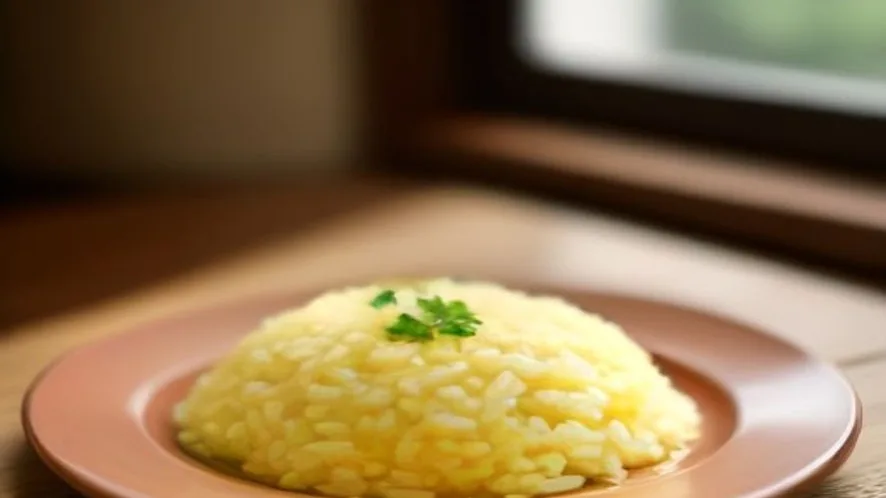
Short answer: Rice becomes mushy primarily because it absorbs too much water or is cooked too long, breaking down its starch structure. Excess water or prolonged heat causes the grains to swell excessively and burst, resulting in a soft, sticky, and clumped texture instead of separate grains.
Rice texture problems often arise from incorrect water ratios, cooking times, or heat levels. When rice absorbs more water than it needs or cooks too long, the starch granules swell and burst, making the rice mushy. Different rice types require precise water amounts and cooking methods to maintain ideal texture.
This page explains why rice turns mushy, crunchy in the middle, sticky, soggy when fried, or gluey in risotto. It helps home cooks and beginners troubleshoot and adjust cooking techniques to achieve perfect rice texture every time.
Written by Anisha Akter · Updated 13 September 2026
On this page
Why is my rice mushy
Rice is mushy because it absorbed too much water or cooked too long, causing starch granules to swell excessively and break apart.
Rice grains are made up of starch molecules, primarily amylose and amylopectin. During cooking, starch granules absorb water and swell between 60°C and 80°C (140°F to 176°F), a process called gelatinization. If the rice is exposed to excess water or heated for too long, these granules burst, releasing starch molecules into the cooking liquid. This leads to a breakdown of the grain’s structure, creating a soft, mushy texture where individual grains lose their shape and stick together. Overcooking also causes water absorption beyond the grain’s capacity, further contributing to the breakdown and mushiness.
Use the correct water-to-rice ratio for your rice type—usually about 1.5 to 2 cups of water per cup of rice. Measure carefully and cook until water is just absorbed. Remove the pot from heat immediately to stop cooking and prevent mushiness.
Why is my rice crunchy in the middle
Rice is crunchy in the middle because it was undercooked or had insufficient water, so the center grains didn’t fully gelatinize.
Rice starch gelatinizes at temperatures between 60°C and 80°C (140°F to 176°F), requiring enough water and heat to soften the grains evenly. When water is insufficient or heat distribution is uneven, the outer layers of rice cook faster, while the inner core remains hard and undercooked. This results in a crunchy texture at the center. Additionally, frequently lifting the lid or stirring during cooking can cause heat and steam loss, preventing the interior from reaching the necessary temperature and moisture for complete gelatinization.
Add the appropriate amount of water for the rice variety, keep the pot covered with a tight-fitting lid, and avoid stirring or lifting the lid during cooking. After cooking, let the rice rest covered for 5 to 10 minutes off the heat to allow residual steam to finish cooking the grains.
Why is my rice sticky
Rice is sticky because of high surface starch release, often from rinsing insufficiently or using high-amylopectin (sticky) rice varieties.
Rice starch consists of two main components: amylose and amylopectin. Amylopectin is highly branched and responsible for stickiness, while amylose is linear and promotes fluffiness. Varieties like short-grain or sushi rice have higher amylopectin content, naturally making them sticky when cooked. Additionally, rinsing rice removes loose surface starch that gelatinizes during cooking. If rinsing is skipped or insufficient, this surface starch swells and causes grains to adhere excessively, creating a sticky texture distinct from mushy rice, where grains lose structure entirely.
Rinse rice under cold running water multiple times—usually 3 to 4 washes—until the water runs clear to remove surface starch. For fluffy, non-sticky rice, choose long-grain varieties with higher amylose content unless a sticky texture is desired.
Why is my fried rice soggy
Fried rice is soggy because the rice was too moist or freshly cooked, releasing steam and moisture when stir-fried, which prevents crispiness.
Freshly cooked rice contains a high moisture content trapped inside the grains. When stir-fried, this moisture turns to steam, causing the rice to steam rather than fry, leading to sogginess. Additionally, rice that hasn’t been cooled and dried properly tends to clump together, releasing excess water during frying. Overcrowding the pan lowers the temperature and reduces moisture evaporation. Excess oil or wet ingredients added too early also contribute to a soggy texture by adding moisture rather than promoting the desired dry, separate grains with slight crispness.
Use rice that has been cooked and refrigerated for at least a few hours or overnight to allow moisture to evaporate and grains to firm up. When frying, cook in small batches over high heat and add wet ingredients toward the end to minimize moisture release.
Why is my risotto gluey
Risotto is gluey because its high-amylopectin rice releases abundant starch during constant stirring and slow cooking in liquid, creating a creamy texture.
Risotto rice varieties like Arborio, Carnaroli, and Vialone Nano have high amylopectin content in their starch, which is responsible for the creamy, gluey texture. Cooking risotto involves slowly adding hot stock and stirring frequently, which causes starch granules to rupture gradually, releasing amylopectin into the dish. This thickens the liquid and creates risotto’s characteristic creaminess. However, excessive stirring or adding too much liquid at once can cause starch release to be too rapid, resulting in an overly gluey or gummy texture rather than a smooth, creamy consistency with distinct grains.
Add hot stock gradually in small amounts and stir gently but consistently. Avoid over-stirring or adding large quantities of liquid at once to maintain a balanced creamy texture with tender, separate grains.
How to avoid rice texture problems next time
- Measure rice and water precisely according to the rice type and recipe.
- Rinse rice thoroughly under cold water to remove excess surface starch before cooking.
- Cook rice over medium heat with a tight-fitting lid to ensure even cooking and steam retention.
- Use day-old rice for fried rice to reduce moisture and prevent sogginess.
- Allow rice to rest covered off heat for 5-10 minutes after cooking to finish steaming.
- Avoid over-stirring risotto to prevent excessive starch release and gluey texture.
Recipes that use this
Frequently Asked Questions
Can I fix mushy rice after cooking?
Once rice is mushy due to starch granules bursting and grain structure breaking down, it’s difficult to fully restore its texture. You can try spreading the rice thinly on a baking sheet and drying it in a low oven (around 120°C or 250°F) for 10-15 minutes to evaporate excess moisture. This may firm it up slightly but won’t make grains separate again. Prevention is the best approach.
Is rinsing rice always necessary?
Rinsing removes surface starch that causes rice to clump and become sticky. For fluffy rice, especially long-grain varieties, rinsing 3-4 times until water runs clear is recommended. However, some dishes like risotto or sushi require retaining surface starch for creaminess or stickiness, so rinsing might be skipped depending on the recipe and desired texture.
Why does rice stick to the pot?
Rice sticks when cooking water is too low, heat is too high, or the pot surface is not suitable. High heat can scorch rice at the bottom, while insufficient water causes grains to dry out and stick. Using a heavy-bottomed pot ensures even heat distribution. Stirring rice during cooking can also cause sticking. To prevent this, use proper water ratios, moderate heat, and avoid stirring once cooking begins.

Hi! I’m the creator of scooks (Simple Cooks).I share easy, practical recipes and simple cooking ideas to help you enjoy everyday home cooking with confidence.
Happy cooking! 🍽️