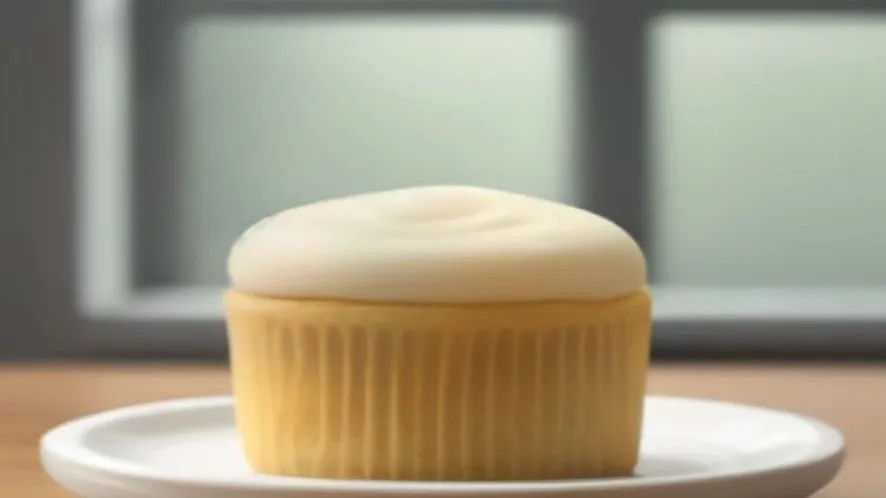
Short answer: Brush dry cake layers with simple syrup or fruit juice syrup, then cover with frosting or whipped cream to restore moisture and tenderness. This rehydrates the crumb and improves texture without baking again.
Dry cake happens when too much flour, overbaking, or insufficient fat and moisture cause the crumb to lose softness and become crumbly. Baking at too high a temperature or leaving the cake uncovered can also dry it out rapidly. Flour proteins absorb moisture, so excess flour leads to a denser, drier crumb. Overbaking evaporates water beyond the ideal 20-30% moisture content in cake crumb, making it brittle.
This page answers common baking problems including how to fix dry cake, flat cookies, soggy pie crust, runny cheesecake, and runny icing. It helps home cooks salvage their baked goods quickly with practical science-based solutions. Each section explains why the problem occurs, how to fix it, and tips to prevent it in future baking.
Written by Anisha Akter · Updated 13 September 2026
On this page
How to fix dry cake
Brush dry cake layers with simple syrup or fruit juice syrup, then cover with frosting or whipped cream to restore moisture and tenderness.
Dry cake results from moisture loss during baking or storage, often due to overbaking, too much flour, or insufficient fat and liquid in the batter. Cake crumb is a matrix of starch and protein that traps water; when moisture drops below about 20%, the crumb becomes dry and crumbly. Applying simple syrup—a 1:1 sugar-to-water solution heated until sugar dissolves—adds moisture by soaking into the cake’s porous structure. The sugar also helps retain water due to its hygroscopic nature, preventing quick evaporation. Covering the cake with frosting or whipped cream seals in this moisture, slowing further drying. Avoid reheating the cake, as heat accelerates moisture loss and toughens starches. Additionally, soaking the cake with flavored syrups such as coffee or citrus syrups can add both moisture and taste, improving the eating experience even if the cake was initially dry.
Make simple syrup by boiling equal parts sugar and water, cool it, then brush evenly on cake layers before frosting to keep cake moist and tender.
How to fix flat cookies
Chill cookie dough before baking and add a leavening agent like baking powder to help cookies rise and avoid flatness.
Flat cookies often result from dough spreading excessively during baking. This happens when butter melts too quickly—typically above 175°C (350°F)—causing the dough to lose structure before leavening gases can set it. Low amounts or absence of leavening agents like baking powder or baking soda reduce gas production that creates lift. The dough’s temperature at baking time is crucial; warm dough spreads more. Sugar type also matters—granulated sugar encourages spreading, while brown sugar retains moisture and limits spread. Flour amount influences dough density; too little flour yields flat cookies. Additionally, overmixing the dough can incorporate excess air and weaken gluten structure, leading to flatter cookies. Using parchment paper or silicone mats can prevent excess spreading by providing a slightly textured surface that slows spreading.
Refrigerate cookie dough for at least 30 minutes before baking to solidify fats and slow spread, and ensure your recipe includes an appropriate leavening agent for lift.
How to fix a soggy pie crust
Blind bake the pie crust before adding filling to prevent sogginess and ensure a crisp base.
A soggy pie crust results when wet fillings seep into the dough during baking, preventing it from crisping. Pie dough is a starch and fat matrix that crisps by evaporating moisture during baking above 190°C (375°F). When fillings contain excess water or are uncooked, moisture migrates into the crust, softening it. Blind baking—baking the crust alone with pie weights—sets the crust’s structure and evaporates moisture before adding filling. Additionally, brushing the crust with beaten egg or melted butter before blind baking creates a protein or fat barrier that resists moisture penetration. Using thicker fillings or pre-cooking fillings reduces liquid released during baking, further protecting crust texture. Another method is sprinkling ground nuts or breadcrumbs on the crust before filling to absorb excess moisture. Using high-protein flour for the crust can also improve structure and reduce sogginess.
Always blind bake your pie crust until golden and firm, and consider brushing it with egg wash before baking to create a moisture barrier.
How to fix runny cheesecake
Chill runny cheesecake thoroughly for at least 4 hours to allow it to set; if still runny, bake longer or add a stabilizer like cornstarch next time.
Runny cheesecake filling indicates undercooked or insufficiently set custard. Cheesecake sets as egg proteins coagulate between 70°C and 80°C (158°F–176°F). If the internal temperature isn’t reached, the filling remains fluid. Cooling in the fridge solidifies fats and allows starches (if included) to gelatinize, firming the texture. Baking in a water bath provides gentle, even heat but may require longer baking to reach full set. Adding a starch thickener such as cornstarch or flour absorbs moisture and stabilizes the custard structure. Overmixing before baking can incorporate air and cause cracks but does not affect runniness directly. If the cheesecake is still runny after chilling, reheating it gently in the oven can help complete the coagulation process, but be careful not to overbake and cause cracks or dryness.
Bake cheesecake until edges are set but center still slightly wobbly, then chill for at least 4 hours to firm up properly.
How to fix runny icing
Thicken runny icing by gradually adding powdered sugar or chilling it to allow fats to solidify and stiffen the texture.
Runny icing often results from excess liquid—milk, water, or flavorings—or insufficient powdered sugar. Powdered sugar contains cornstarch, which absorbs moisture and thickens the icing. Cooling icing hardens fats like butter or cream cheese, increasing stiffness. Overmixing can incorporate air and thin icing, but usually doesn’t cause runniness. Adjusting consistency requires balancing liquid and sugar, sometimes adding a stabilizer like cornstarch or shortening. Chilling icing for 15-30 minutes helps fats solidify, thickening texture before use. Also, using cream cheese or butter that is too warm reduces icing stability. When adding flavor extracts or juices, add them sparingly to avoid thinning the mixture.
Add powdered sugar one tablespoon at a time and chill the icing for 15-30 minutes to achieve the desired thickness before spreading.
How to avoid these baking issues next time
- Measure flour accurately using the spoon-and-level method to avoid dry cakes.
- Use room temperature butter and chill cookie dough to control spread and rise.
- Blind bake pie crusts and use thicker fillings to prevent sogginess.
- Bake cheesecake until edges are set and chill sufficiently to avoid runny filling.
- Balance liquid and powdered sugar in icing and avoid overmixing to prevent runniness.
- Store baked goods covered to maintain moisture and texture.
Recipes that use this
Frequently Asked Questions
Can I salvage dry cake by microwaving it?
Microwaving dry cake can warm it temporarily but usually causes more moisture loss through evaporation, making the cake even drier and tougher. Instead, brushing with simple syrup and covering with frosting restores moisture more effectively without damaging texture. The microwave’s intense heat causes rapid water evaporation, so it is not recommended for moistening dry cake.
Why do my cookies spread too much even when chilled?
Excessive butter or sugar, or too little flour, can cause cookies to spread excessively despite chilling. Dough temperature is important, but ingredient ratios have a stronger effect. Check your recipe’s fat-to-flour ratio, reduce butter slightly, or increase flour to create a firmer dough. Also, ensure your oven temperature is accurate; too low a temperature can cause cookies to spread before setting.
How long should I chill cheesecake before serving?
Cheesecake should chill in the refrigerator for at least 4 hours, preferably overnight. This resting time allows proteins and fats to set fully, resulting in the firm, creamy texture characteristic of properly made cheesecake. Serving too soon leads to runny texture and poor slicing. Longer chilling improves flavor development and texture, making the cheesecake easier to cut cleanly.

Hi! I’m the creator of scooks (Simple Cooks).I share easy, practical recipes and simple cooking ideas to help you enjoy everyday home cooking with confidence.
Happy cooking! 🍽️