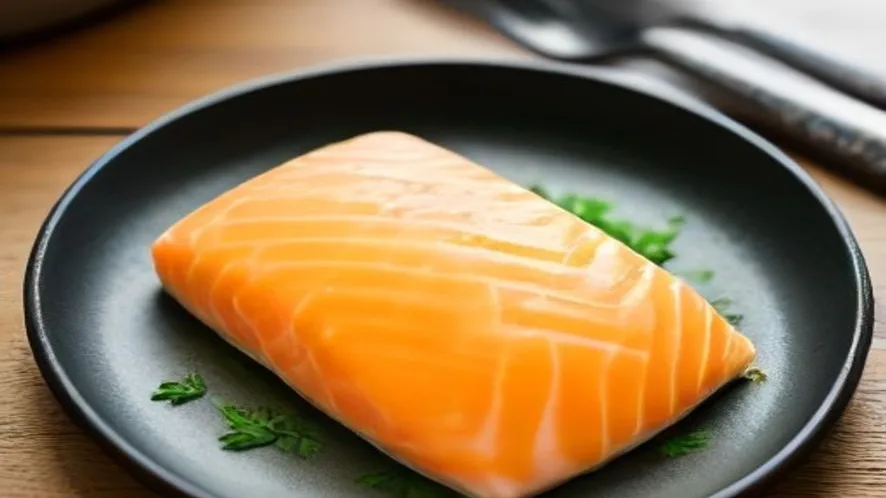
Short answer: Yes, cooked salmon can be frozen safely for up to 3 months if stored in an airtight container or heavy-duty freezer bag to prevent freezer burn and maintain quality. Proper cooling before freezing is essential to avoid bacterial growth.
Cooked salmon is a common leftover that people want to store for later use. Freezing is a popular method, but questions arise about safety and quality retention. Fish is sensitive to temperature changes and can deteriorate quickly if not handled properly, especially due to its high protein and fat content which can oxidize and degrade.
This page explains how to freeze cooked salmon correctly, whether cooked shrimp can also be frozen, how long cooked fish lasts in the fridge, how to judge fish freshness, and the best way to reheat salmon without drying it out. These tips help home cooks manage seafood safely and effectively, preserving both flavor and texture.
Written by Anisha Akter · Updated 13 September 2026
On this page
Can you freeze cooked salmon
Yes, cooked salmon can be frozen safely for up to 3 months if cooled quickly and stored airtight to avoid freezer burn and preserve texture and flavor.
Freezing cooked salmon at temperatures below -18°C (0°F) effectively halts bacterial growth by putting microorganisms into a dormant state. However, freezing does not kill bacteria or enzymes that cause spoilage once thawed. Moisture in the fish forms ice crystals during freezing, which can puncture cell walls and cause texture changes, making the salmon slightly drier or crumbly after thawing. Proper packaging—wrapping tightly in plastic wrap or aluminum foil followed by placement in a heavy-duty freezer bag—minimizes air exposure, reducing oxidation and freezer burn. It is important to freeze cooked salmon within two hours of cooking to prevent bacteria from multiplying at unsafe temperatures between 5°C and 60°C (41°F and 140°F).
Cool cooked salmon to room temperature within 2 hours, then wrap tightly in plastic wrap and place in a sealed freezer bag to freeze promptly and maintain quality.
Can you freeze shrimp after cooking
Yes, cooked shrimp freezes well for up to 3 months if stored in airtight containers or freezer bags to prevent freezer burn and maintain taste.
Cooked shrimp contains about 80% water, which can form ice crystals during freezing and thawing, potentially altering its texture and making it slightly rubbery or mushy. Freezing at -18°C (0°F) halts bacterial growth, but enzymes remain active and can cause gradual quality loss. To preserve freshness, it is essential to cool shrimp quickly after cooking, divide into appropriate portions, and store in airtight containers or vacuum-sealed bags to reduce oxygen exposure. Labeling packages with the freezing date helps ensure shrimp is consumed within optimal quality and safety periods. Thaw shrimp slowly in the refrigerator to maintain texture.
After cooking, cool shrimp quickly and freeze in portioned airtight containers or bags, squeezing out excess air to preserve texture and flavor.
How long does cooked fish last in the fridge
Cooked fish lasts safely in the refrigerator for 3 to 4 days when stored at or below 4°C (40°F) in airtight containers or wrapped tightly.
At refrigerator temperatures (typically between 0°C and 4°C, or 32°F and 40°F), bacterial growth slows significantly but does not stop completely. After about 3 to 4 days, spoilage bacteria and potential pathogens can multiply to levels that cause off-odors, sliminess, and an increased risk of foodborne illness. Wrapping fish tightly or storing it in sealed containers reduces exposure to oxygen and moisture loss, which helps maintain freshness and prevents cross-contamination with other foods. Always store cooked fish on the bottom shelf of the refrigerator to avoid drips contaminating other items. If fish develops an off smell, discoloration, or slimy texture, it should be discarded regardless of storage time.
Store cooked fish in airtight containers or tightly wrapped on the bottom shelf of the fridge and consume within 3 to 4 days for safety and quality.
How to tell if fish is still fresh
Fresh fish smells mild and ocean-like, has firm flesh that springs back when pressed, and clear, bright eyes if whole; any sour odor, sliminess, or discoloration indicates spoilage.
Fish freshness deteriorates due to bacterial growth and enzymatic activity breaking down proteins and lipids. Fresh fish has a clean, briny aroma reminiscent of the sea without strong fishy or ammonia-like odors. The flesh should be firm and elastic, bouncing back when pressed gently with a finger, indicating intact muscle structure. For whole fish, eyes should be clear and bulging, not sunken or cloudy. Skin should be shiny and moist, not dull or sticky. As fish spoils, bacteria produce off-odors such as sourness or ammonia, flesh becomes soft and slimy due to protein breakdown, and discoloration or dark spots appear. Consuming spoiled fish risks food poisoning and should be avoided.
Check for a clean, ocean-like smell, firm texture, and no slime or discoloration before cooking or consuming fish.
How to reheat salmon without drying
Reheat salmon gently at low temperatures, such as 120°C (250°F) in the oven covered with foil, or steam briefly to retain moisture and prevent drying out.
Salmon contains about 60% water and delicate proteins that begin to denature and tighten above 60°C (140°F), squeezing out moisture and causing dryness. Rapid or high-heat reheating causes the surface to dry out and toughen quickly. Using a low oven temperature around 120°C (250°F) and covering the fish with foil traps steam, helping retain moisture and gently warming the flesh evenly. Steaming also uses moist heat to rehydrate the fish without overheating. Alternatively, microwaving on low power in short bursts with a damp paper towel covering the salmon reduces drying by maintaining humidity. Avoid reheating directly on a stovetop or at high temperatures to preserve texture and flavor.
Reheat salmon in a 120°C (250°F) oven covered with foil for 10-15 minutes or steam briefly to keep it moist and tender.
How to avoid common seafood storage problems
- Cool cooked seafood to room temperature within 2 hours before refrigerating or freezing to prevent bacterial growth.
- Always store seafood in airtight containers or sealed freezer bags to minimize air exposure and prevent freezer burn.
- Label frozen seafood with the date to track storage time and use within recommended periods for best quality.
- Keep refrigerator temperature at or below 4°C (40°F) to slow bacterial growth and maintain freshness.
- Avoid refreezing thawed seafood to maintain texture and reduce food safety risks.
- Use gentle reheating methods like low oven heat or steaming to prevent drying and maintain flavor.
Recipes that use this
Frequently Asked Questions
Can you freeze raw salmon safely?
Yes, raw salmon can be frozen safely at -18°C (0°F) or below for up to 6 months. Wrapping tightly in plastic wrap, aluminum foil, or vacuum-sealing minimizes freezer burn. Proper packaging and freezing speed preserve texture and flavor, but freezing does not kill parasites, so cooking after thawing is important for safety.
Is it safe to eat cooked fish left out overnight?
No, cooked fish left out at room temperature for more than 2 hours enters the “danger zone” between 5°C and 60°C (41°F and 140°F), where bacteria multiply rapidly. Consuming such fish increases the risk of foodborne illness and should be avoided. Prompt refrigeration is essential.
Can you freeze fish more than once?
Refreezing fish after it has been thawed is generally not recommended because repeated freezing and thawing degrade texture and quality. However, if the fish was thawed in the refrigerator and kept below 4°C (40°F) without being left at room temperature, refreezing is safer but may still affect taste and firmness.

Hi! I’m the creator of scooks (Simple Cooks).I share easy, practical recipes and simple cooking ideas to help you enjoy everyday home cooking with confidence.
Happy cooking! 🍽️