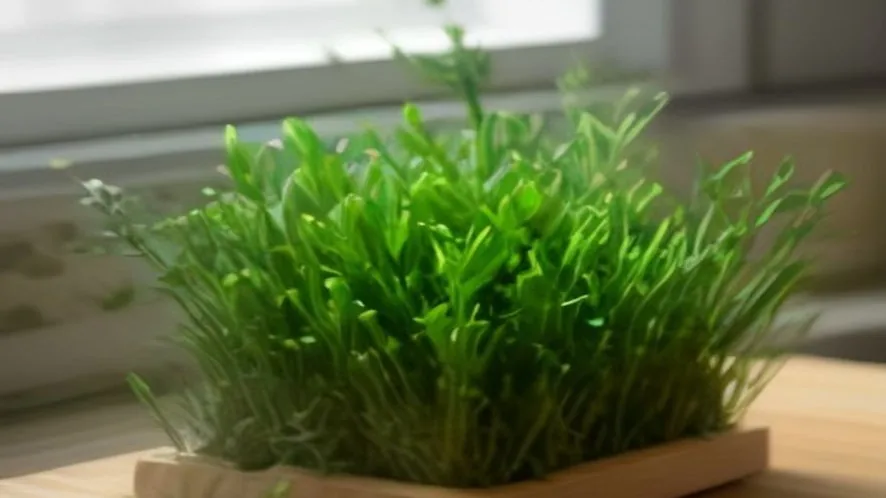
Short answer: Yes, you can freeze fresh herbs to preserve their flavor and nutritional value for several months. Freezing halts enzymatic degradation and microbial spoilage by lowering temperatures below 0°C (32°F), effectively extending shelf life when stored properly in airtight containers or ice cube trays.
Fresh herbs add vibrant flavor to dishes but spoil quickly at room temperature or in the fridge, leading cooks to wonder if freezing is a viable preservation method. The challenge is maintaining the herbs’ aroma, color, and texture after freezing, as some herbs become limp or darken due to ice crystal formation and cell wall damage.
This page explains how and why freezing fresh herbs works, which herbs freeze best, and practical tips for freezing to retain flavor and usability. It helps home cooks and meal preppers who want to keep herbs longer without waste or flavor loss.
Written by Anisha Akter · Updated 14 September 2026
Can you freeze fresh herbs
Yes, you can freeze fresh herbs to preserve their flavor and nutritional value for several months. Freezing halts enzymatic degradation and microbial spoilage by lowering temperatures below 0°C (32°F), effectively extending shelf life.
Freezing fresh herbs works by stopping the enzymatic reactions and microbial growth that cause spoilage. At temperatures below 0°C (32°F), water inside herb cells forms ice crystals, which can rupture cell walls, sometimes affecting texture and color. Herbs with sturdier leaves like rosemary, thyme, and sage freeze better than delicate ones like basil or parsley, which may darken or become limp. The freezing process preserves volatile oils responsible for aroma and flavor, although some loss is inevitable due to cell damage and oxidation during freezing and thawing. Proper packaging reduces freezer burn and moisture loss, maintaining quality for 3-6 months. To minimize texture damage, herbs should be dried thoroughly before freezing to reduce ice crystal formation from excess water.
Trim herbs, wash and dry thoroughly, then freeze in airtight containers or wrapped tightly in plastic wrap and foil. Alternatively, chop and freeze in ice cube trays with a little water or oil to preserve flavor and ease portioning. Label packages with date and herb type for best use within 3-6 months.
How to avoid common freezing mistakes with fresh herbs
- Store herbs dry before freezing to prevent ice crystal damage from excess moisture.
- Use airtight, freezer-safe containers or vacuum seal bags to minimize freezer burn and moisture loss.
- Label packages with herb type and freezing date to use them within 3-6 months for best flavor.
- Freeze herbs in small portions to avoid repeated thawing and refreezing, which degrades quality.
- Avoid freezing herbs that are already wilted or damaged to prevent poor flavor after freezing.
- Blanching herbs before freezing is generally not recommended as it can reduce flavor and color, except for certain hardier herbs.
Recipes that use this
Frequently Asked Questions
Can frozen herbs be used directly in cooking without thawing?
Yes, frozen herbs can generally be added directly to hot dishes such as soups, stews, and sauces without thawing first. The heat quickly releases their flavor and aroma. However, avoid thawing frozen herbs for use as fresh garnishes or in salads, as freezing damages cell structure and leads to a limp texture and color loss.
Do all herbs freeze equally well?
No, not all herbs freeze equally well. Woody, sturdy herbs like rosemary, thyme, sage, and oregano maintain their flavor and texture better after freezing due to their tougher cell structure. Delicate herbs like basil, parsley, cilantro, and chives tend to darken, wilt, and lose firmness because ice crystals rupture their softer cells. Freezing preserves flavor but changes texture, so use delicate herbs mainly in cooked dishes after freezing.
Can you freeze herb mixtures or pesto?
Yes, herb mixtures and pestos freeze well if stored properly. Freezing slows spoilage and preserves flavor when placed in airtight containers or ice cube trays. Adding oil to herb mixtures or pestos before freezing helps maintain texture and flavor by limiting oxidation and ice crystal formation. Use frozen herb mixtures and pestos within 3-4 months for best quality and flavor retention.

Hi! I’m the creator of scooks (Simple Cooks).I share easy, practical recipes and simple cooking ideas to help you enjoy everyday home cooking with confidence.
Happy cooking! 🍽️