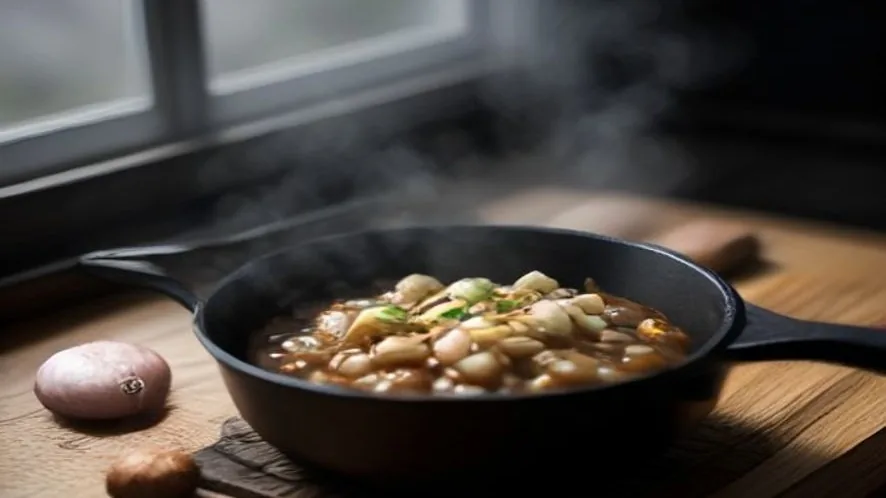
Short answer: Burnt onions can be rescued by immediately removing the pan from heat, transferring unburnt portions to a new pan, adding moisture such as water or broth, and balancing bitterness with a sweetener like sugar or honey. This reduces burnt flavor and salvages usable onions.
Onions are a foundational ingredient in many dishes, but they can easily burn if cooked at too high a heat or left unattended. Burnt onions develop a bitter, acrid flavor due to carbonization of sugars and proteins, which can ruin the taste of your dish. The challenge is that the burnt taste can quickly overpower the subtle sweetness onions usually provide.
This page explains how to rescue burnt onions effectively by understanding what causes the burnt flavor and how to counteract it. It helps cooks who want to salvage their dish without starting over, especially when time or ingredients are limited. Techniques covered include removing burnt parts, adding moisture, and balancing flavors to restore palatability.
Written by Anisha Akter · Updated 13 September 2026
how to rescue burnt onions
To rescue burnt onions, remove the burnt pieces immediately, transfer the salvageable onions to a fresh pan, add moisture such as water or stock to dilute the burnt taste, and balance bitterness with a small amount of sugar or acid.
Onions begin to burn when they reach temperatures above approximately 150°C (300°F), causing sugars and proteins to carbonize and form bitter, acrid compounds. The burnt flavor results from these carbonized particles and can spread quickly if not addressed. Removing burnt pieces halts further contamination of the dish. Adding moisture like water or broth cools the pan and dilutes the concentration of burnt compounds. Introducing a small amount of sugar (about ¼ teaspoon per cup of onions) or an acid such as lemon juice or vinegar activates sweet or sour taste receptors, which mask bitterness. Cooking gently on low heat afterward allows the flavors to blend and helps mellow the burnt notes without further burning.
Quickly transfer onions to a clean pan and add 2-3 tablespoons of water or broth. Stir in ¼ teaspoon sugar or a splash of vinegar to balance bitterness, then cook over low heat for 2-3 minutes to mellow flavors.
How to avoid burnt onions next time
- Use medium heat and stir onions frequently to avoid burning.
- Add a little oil or butter to distribute heat evenly.
- Cook onions slowly until translucent before increasing heat for browning.
- Do not leave onions unattended on high heat.
- Add a splash of water or broth if onions start sticking to the pan.
- Use a heavy-bottomed pan to prevent hot spots that cause burning.
Recipes that use this
Frequently Asked Questions
Can burnt onion flavor be completely removed?
Completely removing burnt onion flavor is extremely difficult because carbonization produces strong bitter compounds that deeply affect taste. However, removing burnt pieces and balancing bitterness with sweeteners like sugar or honey, or acids such as vinegar, can significantly reduce the unpleasant burnt taste and make the onions more palatable.
Is it safe to eat burnt onions?
Eating small amounts of burnt onions occasionally is generally safe, but consuming large quantities of charred food regularly is not recommended. Burning produces polycyclic aromatic hydrocarbons and other compounds that may be harmful over time. It is best to avoid eating heavily burnt food frequently for health reasons.
How can I prevent onions from burning when sautéing?
To prevent onions from burning, cook them over medium heat rather than high heat, and stir frequently to distribute heat evenly. Adding enough oil or butter helps prevent sticking and burning. If onions start to brown too quickly or stick, lower the heat or add a splash of water or broth to cool the pan. Patience and attention are essential for even cooking without burning.

Hi! I’m the creator of scooks (Simple Cooks).I share easy, practical recipes and simple cooking ideas to help you enjoy everyday home cooking with confidence.
Happy cooking! 🍽️