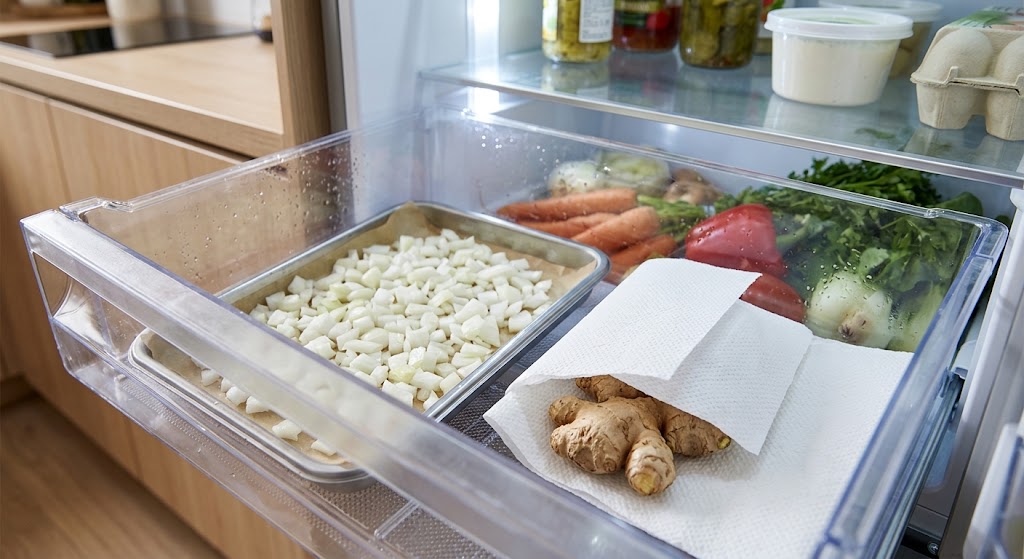
Short answer: Yes, you can freeze onions by chopping or slicing them, spreading on a tray to freeze individually, then transferring to airtight containers or freezer bags. This preserves their flavor and texture for up to 6 months, making them convenient for cooking.
Onions are a staple ingredient in many kitchens around the world, but they spoil quickly if left at room temperature for too long. Freezing onions is a practical way to extend their shelf life by slowing down enzymatic activity and microbial growth that cause spoilage. However, freezing changes the texture because ice crystals rupture cell walls, so preparation methods are important for maintaining quality.
Ginger is another common kitchen root that often develops mould when stored improperly due to its moisture content and exposure to warm, humid environments. Proper storage techniques can significantly reduce mould growth and keep ginger fresh for weeks. This page explains the best methods to freeze onions safely and store ginger to prevent mould, helping cooks reduce waste and save time in meal preparation.
Can you freeze onions
Yes, you can freeze onions by chopping or slicing them, then freezing in airtight containers or bags to preserve flavor for up to six months.
Onions consist of about 89% water, so when frozen, the water inside their cells forms ice crystals that rupture the cell walls. This causes the onions to lose their crisp texture and become softer once thawed, but their flavor compounds remain largely intact. Freezing effectively halts enzymatic browning and microbial growth by maintaining temperatures below -18°C (0°F), which is the standard freezer temperature. Preparing onions by chopping or slicing before freezing increases surface area, allowing them to freeze more quickly and evenly. Spreading chopped onions in a single layer on a baking sheet before transferring them to airtight freezer bags prevents clumping, making it easier to portion and use later. Proper airtight packaging is essential to prevent freezer burn and absorption of odors from other foods. For best quality, use frozen onions within six months, as prolonged storage leads to gradual degradation of flavor and texture.
Chop onions finely and spread them on a tray to freeze individually before transferring to sealed freezer bags. Remove as much air as possible from bags to prevent freezer burn. Label with the date and use within six months for optimal flavor and texture.
How to store ginger so it does not go mouldy
Store ginger in a cool, dry place or wrap it tightly in paper towel and keep it in the fridge to prevent mould growth.
Ginger contains natural sugars and moisture, creating an environment where mould spores can thrive if conditions are warm and humid. Mould growth is most active at temperatures above 10°C (50°F) and in moist environments. Wrapping ginger in absorbent paper towel helps remove surface moisture, reducing the risk of mould. Refrigeration slows down fungal growth by maintaining temperatures below 4°C (39°F), significantly extending the root’s shelf life. Avoid sealing ginger in plastic bags without ventilation, as condensation can form and create a moist environment ideal for mould. Alternatively, ginger can be stored in dry sand or in a container with silica gel packets to absorb excess moisture. Regularly inspect stored ginger for soft spots or visible mould and discard any affected pieces promptly to prevent spread. Keeping ginger dry and cool is key to preventing mould and maintaining its flavor and texture for cooking.
Wrap unpeeled ginger in dry paper towel and place it in a perforated plastic bag or container in the vegetable drawer of your fridge. Replace the paper towel if it becomes damp. Alternatively, store ginger in dry sand or use silica gel packets to maintain low moisture.
How to avoid onion spoilage and ginger mould
- Freeze onions soon after chopping to maintain flavor and reduce bacterial growth.
- Avoid freezing whole onions as they become mushy upon thawing; always chop or slice first.
- Keep ginger dry and avoid washing before storage to reduce moisture that promotes mould.
- Store ginger in a breathable container or paper towel to allow moisture escape and prevent condensation.
- Use airtight containers or freezer bags to protect onions from freezer burn and odor absorption.
- Label frozen onions with date to track storage time and ensure use within six months.
Recipes that use this
Frequently Asked Questions
Can you freeze cooked onions?
Yes, cooked onions freeze well and generally retain better texture compared to raw frozen onions. After cooking, cool the onions completely to room temperature to prevent condensation inside packaging. Store them in airtight containers or freezer bags, removing as much air as possible. Cooked onions can be frozen safely for up to three months. When using, thaw them in the refrigerator or add directly to hot dishes, reheating thoroughly to maintain flavor and safety.
How long does ginger last in the fridge?
Fresh ginger stored properly in the refrigerator typically lasts two to three weeks. Wrapping it in paper towel and placing it inside a perforated plastic bag or container allows moisture to be absorbed and prevents condensation, which reduces mould growth. Keeping ginger dry and cool slows enzymatic activity and fungal development, preserving its freshness and flavor. For longer storage, consider freezing peeled ginger in airtight containers.
What is the best way to thaw frozen onions?
The best method to thaw frozen onions is to add them directly to hot pans during cooking, allowing them to soften gradually without sitting at room temperature. Thawing them at room temperature can encourage bacterial growth and cause texture degradation. If you need to thaw before cooking, do so in the refrigerator for several hours to keep temperatures safe. This method preserves flavor and reduces the risk of spoilage.

Hi! I’m the creator of scooks (Simple Cooks).I share easy, practical recipes and simple cooking ideas to help you enjoy everyday home cooking with confidence.
Happy cooking! 🍽️