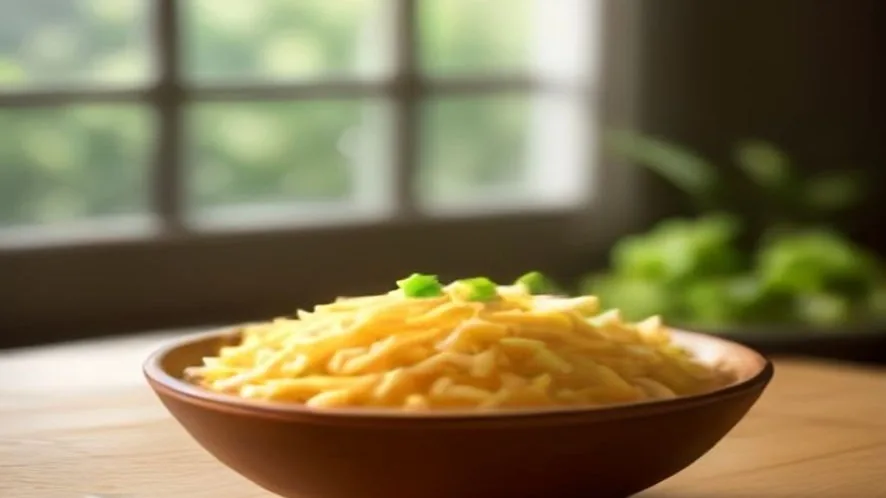
Short answer: Serve chilli with plain white or brown rice, cornbread, or a crisp green salad for balance. Add sour cream and shredded cheese for creaminess, and avocado or jalapeños for texture and flavor contrast.
Chilli is a hearty, spicy dish often made with beans, beef, or pork and a complex blend of spices. Its intense flavors and thick texture make it a meal on its own but can benefit from complementary sides to balance heat and richness.
This page explains the best foods to serve with chilli to enhance your meal experience. It helps cooks find sides that add freshness, creaminess, or crunch, making the dish more balanced and satisfying.
Written by Anisha Akter · Updated 14 September 2026
What to serve with chilli
Serve chilli with plain white or brown rice, cornbread, or a crisp green salad for balance. Add sour cream and shredded cheese for creaminess, and avocado or jalapeños for texture and flavor contrast.
Chilli is typically thick and spicy, so serving it with a neutral starch like rice helps absorb the sauce and tone down heat. Rice grains soak up the sauce, making each bite less intense and more balanced. Brown rice adds nuttiness and fiber for health benefits. Cornbread adds a slightly sweet, crumbly texture that contrasts with the chilli’s richness and spice, providing a pleasant mouthfeel and a touch of sweetness that balances the savory heat. A fresh green salad refreshes the palate with crispness and acidity, which cuts through the heaviness of the meat and beans, making the meal feel lighter and more varied. Dairy toppings like sour cream or shredded cheese introduce fat and coolness, which counteract spiciness by coating the tongue and diluting capsaicin’s effect. Sour cream’s lactic acid also adds a subtle tang that brightens the dish. Avocado adds creaminess and healthy fats, softening the chili’s texture, while sliced jalapeños provide a fresh, crunchy heat layer that complements the cooked spices without overwhelming. Together, these sides create a more diverse and satisfying eating experience, balancing flavors, textures, and temperatures. Serving these accompaniments separately allows diners to customize each bite to their preference, enhancing enjoyment and comfort.
Cook plain rice separately to soak up the chilli sauce, bake cornbread fresh for warmth, and toss salad with a light vinaigrette to cut through the chilli’s richness. Serve sour cream and cheese on the side so guests can adjust to taste.
How to avoid overpowering or unbalanced chilli meals
- Use mild sides like rice or bread to avoid overwhelming the chilli’s flavor.
- Avoid heavy sauces that compete with the chilli’s spice and texture.
- Serve dairy toppings chilled to maximize their cooling effect.
- Include fresh vegetables or salad to add contrast and freshness.
- Prepare sides separately to maintain their individual textures and temperatures.
Recipes that use this
Frequently Asked Questions
What drinks pair well with chilli?
Cold drinks such as lager beer, milk, or citrusy soda complement chilli by cooling the palate, cutting through its richness, and balancing the heat from capsaicin. Milk contains casein proteins that bind to capsaicin molecules, reducing the burning sensation more effectively than water. Beer’s carbonation and malt sweetness help neutralize heat, while citrusy sodas add acidity to refresh the mouth. Avoid water, which spreads capsaicin oil around the mouth and worsens the burning sensation.
Can I serve chilli with bread instead of rice or cornbread?
Yes, serving chilli with crusty bread or soft dinner rolls is common and works well for soaking up sauce. Bread provides a neutral base but lacks the sweetness of cornbread or the texture contrast of salad. For a balanced meal, consider adding fresh sides like a green salad or pickled vegetables to add acidity and crunch that complement the chilli’s richness and spice.
Is it better to serve chilli hot or warm?
Serve chilli hot to keep fats melted and flavors vibrant, usually around 70°C (160°F). Serving it too hot can intensify the perception of spiciness, so allow it to cool slightly if needed to prevent overwhelming heat. Reheating chilli multiple times can lead to tougher meat and drier texture, so reheat gently and only once to maintain moisture and flavor.

Hi! I’m the creator of scooks (Simple Cooks).I share easy, practical recipes and simple cooking ideas to help you enjoy everyday home cooking with confidence.
Happy cooking! 🍽️