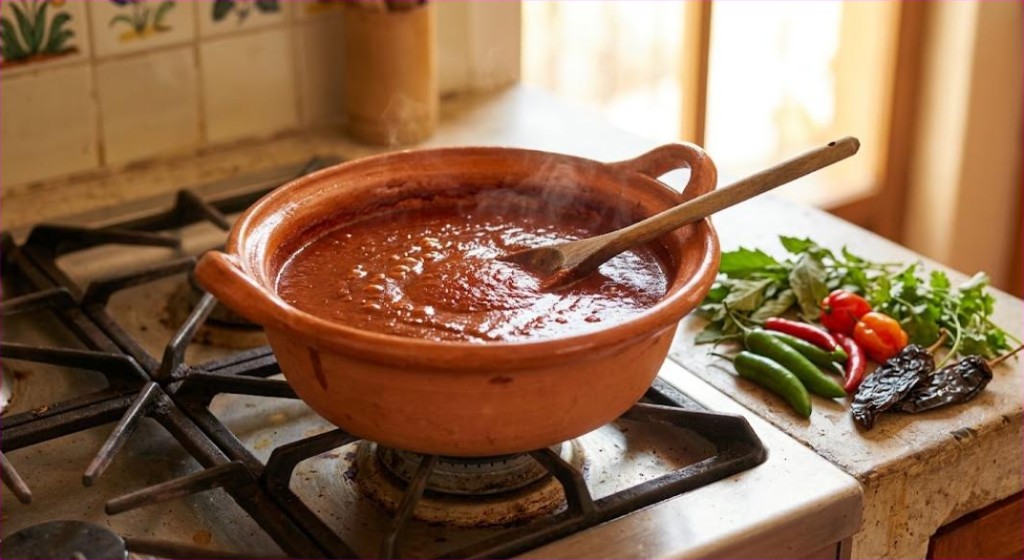
A cazuela is the wide, shallow clay pot at the center of a lot of Mexican home cooking, prized for the way it distributes heat and subtly seasons whatever simmers in it over time. Because traditional glazes historically sometimes contained lead, lead-free certification matters more here than with most cookware — always confirm this specifically before buying, regardless of which style you choose.
What Actually Matters
Lead safety is the first question, not a footnote
Some traditional low-fire glazes used on Mexican earthenware have historically contained lead, which can leach into food, particularly with acidic ingredients such as tomato and citrus that are common in the dishes these pots are made for. Reputable sellers state lead-free status explicitly and often reference testing. If a listing is silent on it, treat that as a reason to ask before buying rather than an oversight.
Flameproof and ovenproof are different claims
A cazuela rated for the oven is not automatically safe over a direct gas flame, where heat is concentrated on a small area of the base. Many traditional pieces are intended for gentle, gradual heating or oven use only. Check which rating the piece actually carries and, if it is unclear, use a heat diffuser.
The Main Styles and Who Each One Suits
Traditional Barro Rojo (Red Clay) Cazuela
The classic reddish-brown clay cazuela seen in Mexican markets, typically partially glazed on the interior with an unglazed exterior.
- Suits: Traditional cooking methods like beans, salsas, and moles.
- Key features: Natural red clay body, partial interior glaze, classic wide shallow shape.
Glazed Talavera-Style Cazuela
Features decorative hand-painted glazing in the Talavera pottery tradition, more ornamental while still being functional cookware.
- Suits: Cooking and serving in the same beautiful vessel.
- Key features: Hand-painted decorative glaze, fully glazed interior, doubles as a serving piece.
Flameproof Cazuela for Stovetop
Specifically engineered clay bodies rated safe for direct stovetop flame, addressing the main limitation of older traditional cazuelas that could crack under direct high heat.
- Suits: Everyday stovetop cooking without extra precautions.
- Key features: Reinforced flameproof clay, direct flame rated, more forgiving of temperature changes.
Large Family-Size Cazuela
A wider-diameter cazuela built for cooking bigger batches of beans, mole, or braises for a full family or gathering.
- Suits: Big households or entertaining.
- Key features: 14+ inch diameter, higher volume capacity, heavier to handle when full.
Mini Individual Cazuelas
Small single-serving clay dishes, often used for tableside presentation of appetizers or individual portions rather than bulk cooking.
- Suits: Restaurant-style plating or individual servings.
- Key features: Small 4-6 inch size, decorative presentation, quick heat-up.
Cazuela with Lid
Includes a matching clay lid, useful for braises and dishes that benefit from trapped steam during part of the cooking process.
- Suits: Braising and slow-simmered dishes that need a cover.
- Key features: Matching fitted lid, better moisture retention, versatile for both open and covered cooking.
Cazuela de Oaxaca (Black Clay)
Made from the distinctive black clay (barro negro) associated with Oaxacan pottery, prized for both its appearance and traditional craftsmanship.
- Suits: Those interested in a specific regional pottery tradition.
- Key features: Distinctive black clay finish, handcrafted regional style, often semi-glazed.
What I Use and Why
I use a mid-sized glazed cazuela for salsas and slow-simmered beans, and it holds heat noticeably better than a stainless pan of the same size, which is the practical reason to own one. It also stays hot on the table for a long time, which is either a feature or a hazard depending on who is around.
I cracked an earlier one by putting it on a cold granite worktop straight off the hob. That was entirely my error and an expensive way to learn that clay does not tolerate sudden temperature changes in either direction.
How to Choose
Before comparing specific models, it helps to narrow the field on these points:
- Explicit lead-free certification or lab testing disclosure from the seller
- Flameproof rating for stovetop use
- Size relative to typical batch sizes you cook
- Glazed vs. unglazed interior
- Care instructions, including seasoning before first use
Lead-free confirmation is the single most important thing to verify before buying traditional Mexican clay cookware — look for sellers who explicitly state lab testing or lead-free certification, since not all traditional glazes historically met modern safety standards. Season a new clay cazuela before its first use, typically by simmering water or a starchy liquid in it, and always heat it gradually from low to medium rather than starting on high heat, since sudden temperature changes can crack unglazed or partially glazed clay.
Care and Common Mistakes
Season a new unglazed or partially glazed cazuela before first use by simmering water or a starchy liquid in it, which seals the pores and reduces seepage and cracking.
Heat gradually and always from low, and never place a hot cazuela on a cold, hard surface. Thermal shock is the primary cause of failure in clay cookware.
Avoid harsh detergents on unglazed clay, which absorbs them. Hot water and a brush is the standard method, followed by complete drying before storage.
Related Reading
Frequently Asked Questions
How do I know if a cazuela is actually lead-free?
Look for explicit statements from the seller about lead testing or certification, ideally referencing recognized safety standards. If a listing doesn’t mention lead safety at all, it’s worth contacting the seller directly before buying, especially for imported traditional pottery.
Do I need to season a clay cazuela before cooking in it?
Yes, for most traditional unglazed or partially glazed cazuelas — typically by simmering water, or a starchy liquid like rice water, in it for 20-30 minutes before first use, which helps seal the clay’s natural pores.
Can I put a cazuela directly on a gas or electric burner?
Many modern cazuelas are rated flameproof, but always check the specific product’s rating first, and heat any clay cookware gradually rather than starting on high to avoid thermal shock cracking.

Hi! I’m the creator of scooks (Simple Cooks).I share easy, practical recipes and simple cooking ideas to help you enjoy everyday home cooking with confidence.
Happy cooking! 🍽️