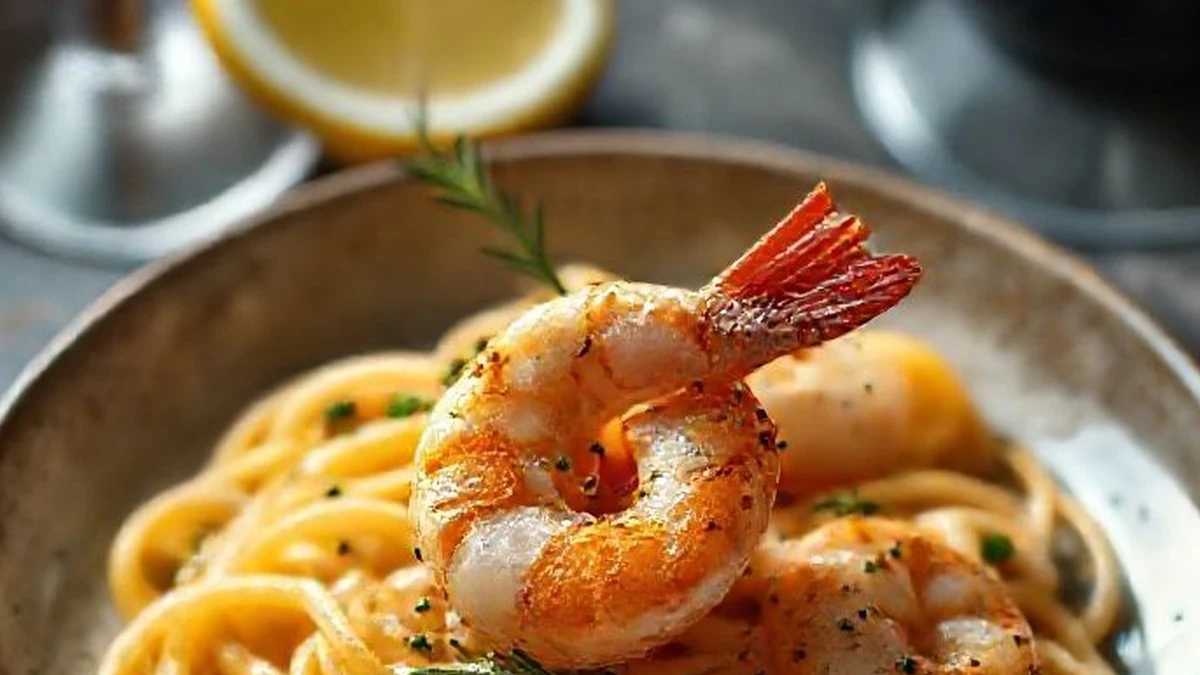
Hi everyone! Anisha here from Quick & Tasty Kitchen. Let’s talk about those weeknights where you’re absolutely starving, have zero motivation, but still want something better than takeout. Sound familiar?
You’re probably thinking about a classic like shrimp scampi. But wait—you don’t have white wine, and maybe you don’t even want to use alcohol in your cooking. That’s where this recipe changes everything. I promise, a delicious, authentic scampi flavor is completely achievable without the wine, and it all comes together in less than 15 minutes.
If you’re looking for an easy weeknight dinner recipe that feels fancy but takes minimal effort, keep reading for my 15 minute shrimp scampi no wine recipe. It’s truly a game-changer for quick family meal ideas.
Why This Recipe Works
The magic of traditional shrimp scampi comes from the combination of garlic, butter, lemon, and a rich sauce base. The wine adds depth and acidity, but we can easily replicate that flavor profile using a clever non-alcoholic scampi sauce substitute: chicken broth and fresh lemon juice.
This method works because the key to a great scampi is building layers of flavor quickly. By infusing the butter with garlic and red pepper flakes, adding the succulent shrimp, and deglazing with the broth and lemon juice, you create a rich “garlic butter shrimp pasta” sauce that clings perfectly to the noodles. This recipe proves that you don’t need fancy ingredients or hours of cooking to achieve a truly satisfying meal. It’s the ultimate lemon garlic butter shrimp recipe for busy schedules.
Ingredients
- 1 pound linguine or spaghetti
- 1 pound raw large shrimp, peeled and deveined (fresh or frozen)
- 4 tablespoons unsalted butter
- 3-4 cloves garlic, minced
- 1/4 teaspoon red pepper flakes (adjust to taste)
- 1/2 cup chicken broth (low sodium)
- 1/4 cup fresh lemon juice
- 1/4 cup fresh parsley, chopped
- Salt and black pepper to taste
- Parmesan cheese (optional, for serving)
Instructions
- Bring a large pot of salted water to a boil. Add the pasta and cook according to package directions, usually 10-12 minutes for linguine. Before draining, reserve about 1 cup of the starchy pasta water.
- While the pasta cooks, pat the shrimp dry with a paper towel. Season the shrimp with salt and pepper.
- Melt the butter in a large skillet or pan over medium heat. Add the minced garlic and red pepper flakes. Cook for about 1 minute, until fragrant.
- Add the seasoned shrimp to the pan in a single layer. Cook for 1-2 minutes per side, until the shrimp turn pink and opaque. Do not overcook!
- Pour in the chicken broth and fresh lemon juice. Bring the sauce to a gentle simmer, scraping up any browned bits from the bottom of the pan.
- Add the cooked pasta directly to the skillet with the shrimp and sauce. Toss everything together, adding a splash of the reserved pasta water as needed to create a glossy sauce that coats the noodles.
- Stir in the fresh chopped parsley. Serve immediately with a sprinkle of Parmesan cheese if desired.
Expert Tips for Success
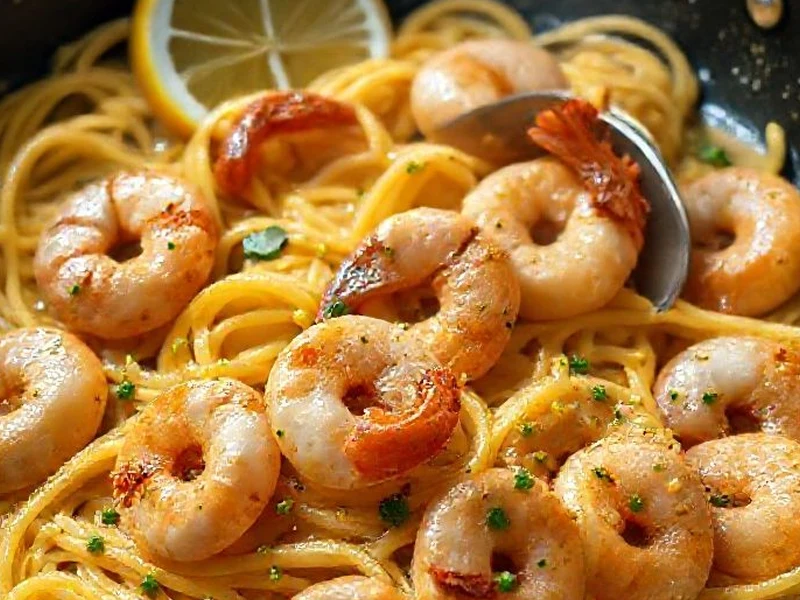
- Don’t Overcook the Shrimp: This is the most critical rule for shrimp scampi. Shrimp cook very quickly, especially when using raw shrimp. As soon as they turn pink and curl into a C shape, they are ready. If they curl completely into an O shape, they are likely overcooked and will be tough.
- Use Reserved Pasta Water: This starchy water is your secret weapon for a rich, restaurant-quality sauce. The starch acts as an emulsifier, helping the butter and broth bind together and cling to the pasta.
- Fresh Lemon Juice vs. Bottled: For the best flavor, always use fresh lemon juice. The bottled kind simply doesn’t compare in brightness and aroma.
- Frozen Shrimp Hack: If you’re using frozen shrimp, make sure to thaw them completely and pat them very dry before cooking. Excess moisture will prevent them from searing properly and dilute your sauce.
FAQ
What is a good non-alcoholic scampi sauce substitute?
The best non-alcoholic substitute for white wine in scampi is a combination of chicken broth and lemon juice. The broth provides the savory base while the lemon juice provides the necessary acidity to cut through the richness of the butter and garlic, replicating the depth of flavor you’d get from wine.
Can I make this recipe ahead of time?
This recipe is best served immediately. Shrimp can become rubbery when reheated, and the pasta will absorb all the sauce, becoming dry. If you must prepare parts ahead, you can cook the pasta and store it in the refrigerator, then prepare the scampi sauce and shrimp fresh when ready to serve.
What if I don’t have fresh parsley?
While fresh parsley adds significant flavor and color, you can substitute 1 tablespoon of dried parsley, or a bit of fresh basil or cilantro for a different flavor profile. The key is to add some fresh herbs to balance the richness.
Final Thoughts
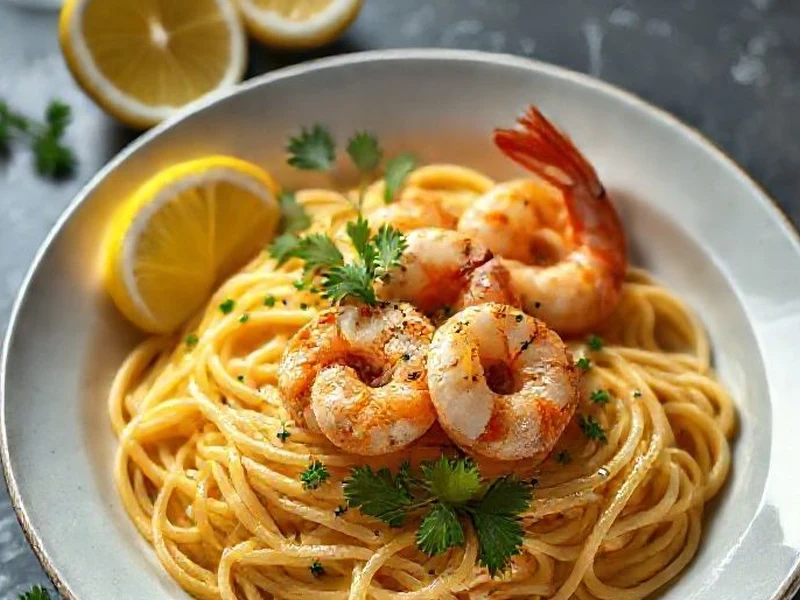
A Beautifully Plated Bowl Of Shrimp Scampi Pasta With Lemon Slices And Fresh Parsley Garnish, Ready To Eat.
This 15 minute shrimp scampi no wine recipe proves that delicious, satisfying food doesn’t have to be complicated. Whether you’re avoiding alcohol, out of wine, or simply short on time, this lemon garlic butter shrimp recipe delivers big flavor in a flash. Give it a try tonight and let me know in the comments how fast you made it!

Hi! I’m the creator of scooks (Simple Cooks).I share easy, practical recipes and simple cooking ideas to help you enjoy everyday home cooking with confidence.
Happy cooking! 🍽️