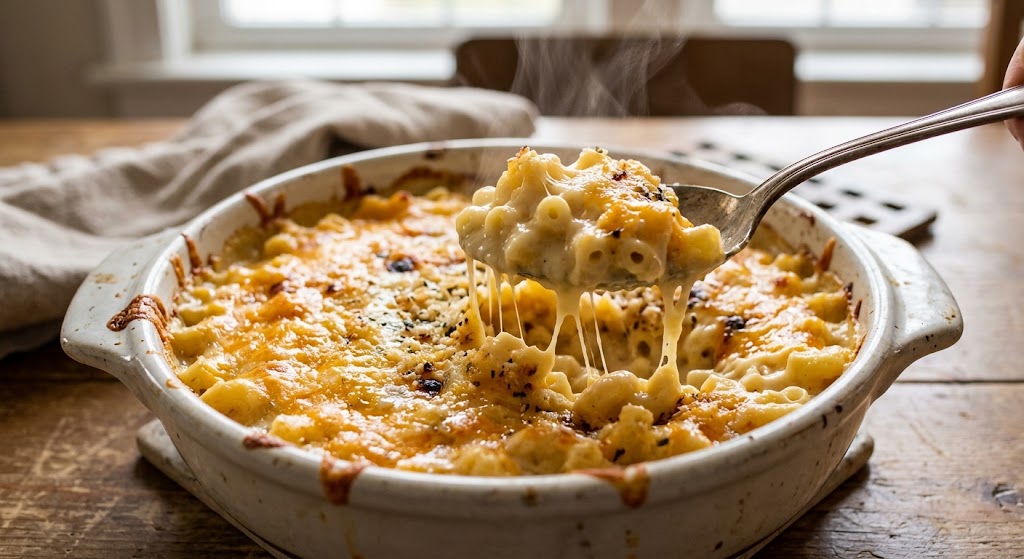
Short answer: Mac and cheese turns out dry because there is not enough sauce or the pasta is overcooked and has absorbed too much liquid. Overheating or using low-fat dairy can also cause dryness by breaking down the sauce’s creamy structure.
Mac and cheese is a classic comfort food that relies on a creamy sauce coating tender pasta. Dry mac and cheese often happens when the balance of liquid and solids is off, or when cooking times and temperatures cause excess moisture loss. The starch from pasta and the fat and proteins in cheese and milk must combine properly to create a smooth sauce.
This page explains why mac and cheese turns dry, focusing on the chemistry of sauce formation and pasta cooking. It provides practical insights for home cooks who want to keep their mac and cheese creamy instead of crumbly or chalky, helping you troubleshoot and improve your next batch.
Written by Anisha Akter · Updated 13 September 2026
Why did my mac and cheese turn out dry
Your mac and cheese turned out dry because it lacked sufficient sauce moisture, the pasta absorbed too much liquid, or the dish was overcooked or overheated, causing the sauce to separate and dry out.
Mac and cheese’s creaminess depends on a balance between pasta moisture and the cheese sauce’s fat and water content. If the pasta cooks too long, it absorbs excess water, leaving less for the sauce. Overheating above 80°C (176°F) can cause the cheese proteins to tighten and squeeze out water, leading to dryness. Using low-fat dairy reduces sauce creaminess since fat stabilizes the emulsion. Also, baking without enough sauce or stirring can dry the top layer. Cheese sauce is an emulsion of fat and water stabilized by proteins; when overheated, the proteins coagulate tightly and expel water, breaking the creamy texture. Pasta starches also absorb liquid, so if the sauce is too thick or sparse, the overall moisture is insufficient to keep the dish creamy.
Cook pasta just until al dente and reserve some pasta water to adjust sauce thickness. Use full-fat dairy and moderate heat to keep sauce creamy. Add cheese gradually and stir gently to maintain emulsion.
How to avoid dry mac and cheese next time
- Use the correct pasta-to-sauce ratio, generally about 1:1 by volume for creaminess.
- Cook pasta al dente, avoiding overcooking to prevent excess water absorption.
- Use full-fat milk and cheese for a stable, creamy sauce emulsion.
- Keep cooking temperatures below 80°C (176°F) to avoid protein tightening and sauce separation.
- Add reserved pasta water to loosen sauce if it becomes too thick during cooking.
- Stir gently and avoid prolonged baking without sauce to prevent drying out.
Recipes that use this
Frequently Asked Questions
Can I rescue dry mac and cheese after cooking?
Yes, you can often rescue dry mac and cheese by gently stirring in warm milk, cream, or reserved pasta water to add moisture back into the dish. Cover the pot or dish and let it sit for a few minutes to allow the liquid to absorb evenly. Avoid reheating at high temperatures, which can worsen dryness by breaking down the cheese proteins further.
Does the type of cheese affect dryness?
Yes, the type of cheese greatly affects moisture and creaminess. Cheeses with higher fat and moisture content, such as sharp cheddar, Gruyère, or Fontina, melt smoothly and help create a creamy sauce. Low-moisture cheeses or pre-shredded cheeses often contain anti-caking agents and less fat, which can cause the sauce to dry out or become grainy when heated.
Is baking mac and cheese more likely to dry it out?
Baking mac and cheese can increase the risk of dryness if the sauce is insufficient or the dish is baked uncovered for too long. The heat evaporates moisture, especially from the surface. Covering the dish with foil during baking helps retain moisture. Adding extra sauce or stirring partway through baking can also help maintain creaminess.

Hi! I’m the creator of scooks (Simple Cooks).I share easy, practical recipes and simple cooking ideas to help you enjoy everyday home cooking with confidence.
Happy cooking! 🍽️