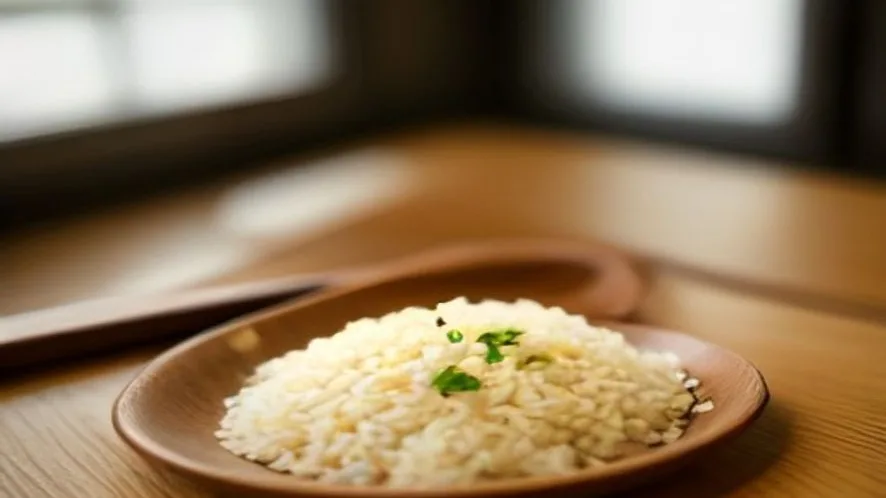
Short answer: To fix overcooked rice, transfer it to a sieve lined with a clean kitchen towel and steam it over simmering water for 5-10 minutes. This firms the grains by gently drying excess moisture and restoring texture without further cooking.
Rice is a staple food worldwide but its texture can easily suffer from missteps during cooking. Overcooked rice becomes soggy and clumps, often due to excess water or prolonged cooking. Undercooked grains remain hard, while mushy rice results from starch breakdown or too much water. Burnt rice imparts a bitter flavor that spoils the dish.
This page provides clear, practical fixes for common rice cooking problems like overcooking, undercooking, mushiness, and burnt taste. It helps cooks rescue rice mid-prep or recover leftovers, improving texture and flavor without starting over. The tips suit all rice types and cooking methods.
Written by Anisha Akter · Updated 13 September 2026
On this page
how to fix overcooked rice
**Steam overcooked rice in a sieve lined with a clean kitchen towel over simmering water for 5-10 minutes to dry excess moisture and restore grain firmness.**
Overcooked rice happens when grains absorb too much water or cook for too long, causing the starch granules to swell excessively and burst. This releases starch into the cooking water, making the rice sticky and clumped. The grains lose their individual structure and become mushy. Steaming the rice gently over simmering water allows excess moisture to evaporate slowly without further cooking the starch. Using a kitchen towel in the sieve prevents water droplets from wetting the rice again while allowing steam to circulate evenly. The temperature of the steam is around 95°C (203°F), which firms the grains by tightening the starch network and drying surface moisture. The process usually takes 5-10 minutes, with occasional fluffing to separate grains and check texture.
Line a fine-mesh sieve or colander with a clean, damp kitchen towel to avoid wetting the rice. Place it over a pot of simmering water, cover with a lid, and steam gently. Check the rice after 5 minutes and fluff gently with a fork. Continue steaming if needed but avoid oversteaming, which can make rice dry and hard.
how to fix undercooked rice
**Add a small amount of boiling water or broth, cover tightly, and simmer the undercooked rice on low heat for 5-10 minutes to finish cooking the grains through steam.**
Undercooked rice contains hard, chalky centers because the starch granules have not fully gelatinized. Starch gelatinization occurs between 60-75°C (140-167°F), a process where starch granules absorb water, swell, and soften to create the desired fluffy texture. If rice is undercooked, it means not enough water was absorbed or cooking time was insufficient. Adding boiling water or hot broth replenishes moisture and generates steam trapped by the pot’s lid. This steam evenly cooks the grains by raising the temperature inside the pot and allowing starch gelatinization to complete. Cooking on low heat prevents burning or drying out, allowing grains to soften gradually over 5-10 minutes. Avoid stirring during this process, as it can break grains and release starch, making the rice sticky.
Add just enough boiling water or broth to cover the rice surface by about 0.5 cm (1/4 inch). Cover the pot tightly with a lid or foil to trap steam effectively. Simmer gently on low heat without stirring. Check the rice after 5 minutes and extend if needed until grains are tender throughout.
how to fix mushy rice
**Spread mushy rice on a baking sheet and bake uncovered at 150°C (300°F) for 10-15 minutes to dry out excess moisture and separate the grains.**
Mushy rice results from excessive starch breakdown and overhydration. When rice cooks with too much water or for too long, starch molecules leach out and gelatinize excessively, causing grains to lose their shape and stick together. This leads to a gummy, sticky texture that is unpleasant. Baking the rice at a moderate oven temperature allows moisture to evaporate evenly without further cooking the starch. Spreading the rice thinly on a rimmed baking sheet increases surface area, accelerating moisture loss. The dry heat firms the starch network slightly and helps grains separate by drying the outer layer. Baking for 10-15 minutes at 150°C (300°F) is enough to improve texture without drying the rice completely. Stirring gently halfway through baking exposes moist spots and promotes even drying.
Use a rimmed baking sheet to prevent rice from spilling. Spread the rice evenly in a thin layer. Stir gently once or twice during baking to expose wetter areas. Remove the rice when grains separate easily but remain soft and moist.
how to fix burnt rice taste
**Transfer unburnt rice to a new container immediately, then rinse the rice gently in warm water to remove burnt flavor particles without losing too much starch.**
Burnt rice taste originates from caramelized or charred starches and proteins formed when rice contacts the hot pot surface for too long. These compounds release bitter and acrid flavors that can permeate the entire dish. Transferring the unburnt rice quickly prevents further flavor contamination. Rinsing the rice in warm water (around 40-50°C or 104-122°F) helps dissolve and wash away bitter compounds adhering to the grains’ surface. Warm water dissolves flavor molecules more effectively than cold water, but rinsing should be gentle to avoid breaking grains or washing away too much starch, which impacts texture and flavor. Avoid soaking or vigorous stirring. After rinsing, drain thoroughly and reheat if needed.
Tilt the pot carefully to scoop out only the unburnt rice layers, avoiding the burnt bottom. Rinse gently using a fine-mesh sieve or colander with warm water. Drain well before serving or reheating.
How to avoid rice cooking problems
- Measure rice and water accurately using the recommended ratio for your rice type and cooking method.
- Use a timer and avoid lifting the lid during cooking to maintain consistent steam and temperature.
- Rinse rice before cooking to remove excess surface starch that causes clumping and mushiness.
- Use a heavy-bottomed pot or a rice cooker with a nonstick surface to prevent burning.
- Avoid stirring rice during cooking, which breaks grains and releases starch, leading to mushiness.
- Let rice rest covered off heat for 5-10 minutes after cooking to allow moisture to redistribute evenly.
Recipes that use this
Frequently Asked Questions
Can I save rice that is both overcooked and undercooked in parts?
If rice is unevenly cooked with some grains overcooked and mushy while others remain undercooked and hard, you can balance the texture by spreading the rice on a sieve lined with a clean kitchen towel and steaming it gently over simmering water for 5-10 minutes. This method dries soggy grains and softens hard ones simultaneously, evening out moisture and improving texture without further cooking the starch excessively.
Is it safe to eat rice that tastes slightly burnt?
Eating rice with a mild burnt taste is generally safe but may be unpleasant. Burnt rice contains bitter compounds formed by the Maillard reaction and caramelization of starches and proteins. While occasional consumption is unlikely to cause harm, avoid rice with visible blackened pieces or a strong burnt odor, as repeated ingestion of charred food may expose you to potentially harmful substances like acrylamide.
How does rinsing rice affect its cooking outcome?
Rinsing rice before cooking removes surface starch that causes grains to stick together and clump by reducing excess starch on the grain surface. It also cleans dust or debris from processing and packaging. However, rinsing washes away some water-soluble nutrients like B vitamins and slightly increases cooking time as rinsed rice absorbs water more slowly. Rinse rice under cold running water until the water runs clear for best results in texture and cleanliness.

Hi! I’m the creator of scooks (Simple Cooks).I share easy, practical recipes and simple cooking ideas to help you enjoy everyday home cooking with confidence.
Happy cooking! 🍽️