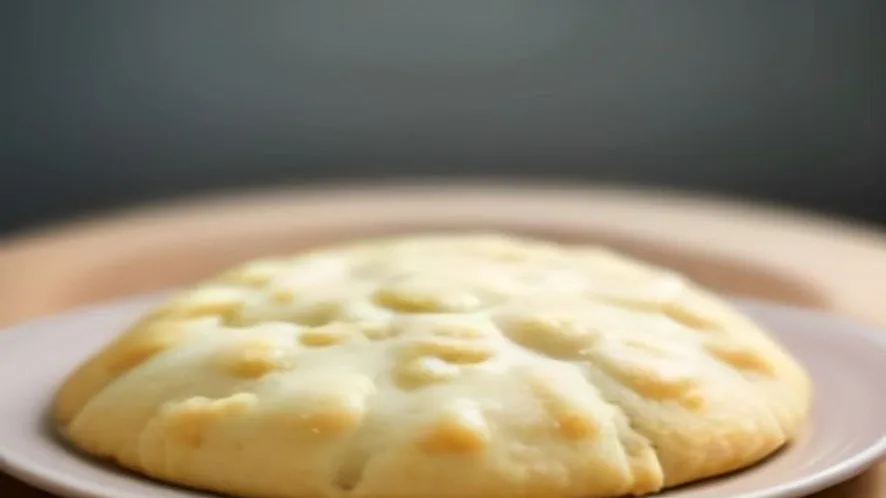
Short answer: Yes, you can freeze pizza dough safely by wrapping it tightly and freezing it before the first rise or after a partial rise. Freezing halts yeast activity, preserving dough for up to 3 months without losing texture or flavor.
Pizza dough is often made in batches, and freezing it can save time and reduce waste. Dough contains yeast, which ferments sugars to produce carbon dioxide, causing the dough to rise. Freezing suspends this fermentation by stopping yeast activity, effectively pausing the dough’s development and preserving it for future use without spoilage.
This page explains how to freeze pizza dough properly, compares freezing pizza dough to bread and cookie dough, and offers tips for keeping bread fresh longer and reheating pizza to regain crispness. It is designed to help cooks of all levels manage dough and bread storage efficiently, reducing waste and improving meal prep convenience.
Written by Anisha Akter · Updated 13 September 2026
On this page
can you freeze pizza dough
Yes, you can freeze pizza dough by wrapping it tightly and freezing it either before the first rise or after a partial rise to preserve its texture and flavor for up to 3 months.
Pizza dough contains yeast that ferments sugars, producing carbon dioxide gas that causes the dough to rise and develop flavor. Freezing dough at temperatures below -18°C (0°F) effectively halts yeast activity and enzymatic reactions, suspending fermentation. Freezing before the first rise prevents over-proofing and maintains a neutral flavor, while freezing after a partial rise allows some flavor development but risks over-proofing if delayed. Proper wrapping with plastic wrap and airtight bags prevents freezer burn and moisture loss, maintaining dough elasticity. Thawing slowly in the refrigerator over 12-24 hours gradually reactivates yeast, preserving dough structure and taste for good texture and rise during baking.
Divide dough into portion-sized balls, wrap each tightly in plastic wrap, then place in a freezer bag to prevent freezer burn. Freeze within a few hours of mixing or after the first rise for best results.
can you freeze bread dough
Yes, bread dough can be frozen similarly to pizza dough, preserving yeast viability and dough quality for up to 3 months when properly wrapped and thawed slowly.
Bread dough relies on yeast fermentation to rise and develop flavor. Freezing at -18°C (0°F) or below stops yeast activity and enzymatic processes, preventing over-proofing and spoilage. Freezing after the first rise captures flavor development but risks over-proofing if not frozen promptly. Proper wrapping in airtight containers or plastic wrap prevents freezer burn and moisture loss, which can degrade dough quality. Thawing bread dough slowly in the refrigerator over 12-24 hours allows yeast to gradually reactivate, ensuring a good second rise and proper crumb texture during baking. This method helps maintain the dough’s elasticity and flavor integrity.
Portion bread dough before freezing and freeze in airtight containers or bags. Thaw in the fridge overnight and allow to proof at room temperature before baking.
can you freeze cookie dough
Yes, cookie dough freezes well, maintaining flavor and texture for up to 3 months when shaped or in a log, wrapped tightly to prevent drying out.
Cookie dough typically contains fats, sugars, and leavening agents such as baking soda or baking powder. Freezing halts any chemical leavening reactions and prevents spoilage by stopping microbial growth. Shaping cookie dough into balls or logs before freezing ensures even baking and portion control upon thawing. Freezing dough logs allows easy slicing for consistent cookie size. Proper wrapping with plastic wrap and airtight bags prevents freezer burn and moisture loss, preserving dough consistency, moisture content, and flavor. Cookies can be baked directly from frozen, with a slight increase in baking time to accommodate the frozen state.
Wrap shaped cookie dough or dough logs tightly in plastic wrap and place in freezer bags. Thaw in the refrigerator or bake directly from frozen, adding a minute or two to baking time.
how to keep bread fresh longer
To keep bread fresh longer, store it in a cool, dry place in a paper bag or bread box to maintain crust crispness while preventing mold, or freeze for extended storage.
Bread staling occurs mainly due to starch retrogradation, where amylose and amylopectin molecules crystallize and expel water, causing dryness and firmness. Moisture and air exposure accelerate mold growth and staling. Storing bread in paper bags or bread boxes balances moisture retention and air circulation, which helps preserve crust crispness while slowing mold development. Refrigeration at around 4°C (39°F) speeds up starch retrogradation and staling, so it is not recommended for fresh bread. Freezing bread at -18°C (0°F) or below halts staling and mold growth but can cause crust softening after thawing. Slicing bread before freezing allows thawing only what is needed, reducing waste.
Store bread at room temperature in paper bags or a bread box for up to 3 days. For longer storage, slice and freeze bread wrapped tightly, thawing slices as needed.
how to reheat pizza so it is crispy
Reheat pizza in a hot skillet or oven at 190°C (375°F) to restore a crispy crust without drying out the toppings, avoiding microwave reheating which makes crust soggy.
Microwave reheating causes uneven heating by agitating water molecules, producing steam that softens the crust and makes it soggy. Using a skillet or oven applies dry heat, evaporating surface moisture and restoring crust crispness. Oven reheating at 190°C (375°F) for 7-10 minutes evenly warms toppings and crisps the crust. Skillet reheating over medium heat for 4-6 minutes crisps the bottom while melting cheese without burning. Covering the skillet briefly traps heat to melt toppings evenly without drying out the pizza. This method preserves texture and flavor better than microwaving.
Heat a non-stick skillet over medium heat, place pizza slice in it, cover with a lid for 2 minutes, then remove lid and cook 2-3 more minutes until crust crisps. Alternatively, bake in a preheated oven at 190°C (375°F) for 7-10 minutes.
How to avoid dough and bread storage issues
- Freeze dough within 2 hours of mixing to prevent over-proofing before freezing.
- Divide dough into single-use portions to avoid repeated thawing and refreezing which weakens gluten.
- Wrap dough tightly in plastic wrap followed by a freezer bag to prevent freezer burn and moisture loss.
- Avoid refrigerating bread; store at room temperature or freeze to maintain freshness and texture.
- Reheat pizza using dry heat methods like oven or skillet instead of microwave to preserve crust crispness.
- Slice bread before freezing to thaw only needed portions and reduce waste.
Recipes that use this
Frequently Asked Questions
Can you freeze dough after it has fully risen?
You can freeze fully risen dough, but it may lose some rise and texture quality due to yeast cell damage from ice crystals. It is generally better to freeze dough before or during the first rise to preserve yeast health. If frozen after rising, thaw slowly in the refrigerator and allow additional proofing at room temperature before baking for best results.
How long can frozen dough be stored safely?
Frozen dough stored at or below -18°C (0°F) can be kept safely for up to 3 months. Beyond this period, yeast viability declines, leading to reduced rise and poorer texture. Quality may degrade due to freezer burn or moisture loss if not properly wrapped.
Is it necessary to thaw frozen pizza dough before baking?
Thawing pizza dough in the refrigerator for 12-24 hours is recommended to allow gradual yeast reactivation and easier shaping. However, you can bake pizza dough from frozen by extending proofing and baking times, though the texture may be less optimal. Slow thawing preserves dough elasticity and flavor best.

Hi! I’m the creator of scooks (Simple Cooks).I share easy, practical recipes and simple cooking ideas to help you enjoy everyday home cooking with confidence.
Happy cooking! 🍽️