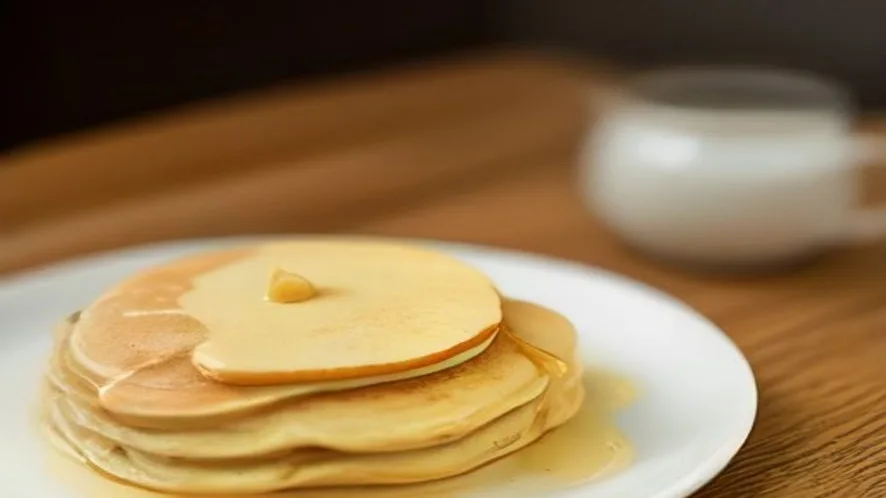
Short answer: Pancakes are flat because the baking powder is old or the batter is overmixed, which reduces air bubbles needed for rise. Fresh leavening and gentle mixing keep pancakes fluffy.
Flat pancakes are a common issue caused by the failure of leavening agents like baking powder to produce carbon dioxide gas, which creates bubbles that lift the batter. Overmixing also breaks down these bubbles, resulting in dense, flat pancakes. Other factors include batter thickness and cooking temperature, which affect how well the batter rises and sets.
This page explains why pancakes become flat and why waffles can turn soggy, focusing on the science behind the batter and cooking process. It helps cooks quickly identify and fix these common breakfast problems for better results and texture in their dishes.
Written by Anisha Akter · Updated 13 September 2026
why are my pancakes flat
Pancakes turn flat mainly because the baking powder is expired or the batter is overmixed, which destroys gas bubbles needed for rising.
Baking powder is a chemical leavening agent composed mainly of sodium bicarbonate combined with an acid salt. When mixed with wet ingredients, it reacts to release carbon dioxide gas. These gas bubbles get trapped in the batter’s gluten network, causing it to expand and rise during cooking. If the baking powder is old or stored improperly, its acid or base components can degrade, reducing gas production and causing flat pancakes. Overmixing the batter develops gluten excessively and breaks existing gas bubbles, preventing the batter from trapping new ones properly. Additionally, if the batter is too thin, it spreads too much on the pan surface, making it hard to hold a dome shape. Cooking temperature also matters: if the pan is too cool (below 175°C or 350°F), gas expansion slows and the batter sets too slowly, resulting in flat, dense pancakes.
Always check the expiry date on baking powder and store it in a cool, dry place. Mix pancake batter gently until dry and wet ingredients are just combined, leaving some lumps. Let the batter rest for 5 to 10 minutes to allow gas bubbles to form. Use a preheated pan at medium heat (175-190°C or 350-375°F) to cook pancakes evenly and encourage rising.
why are my waffles soggy
Waffles become soggy mainly because steam cannot escape during cooking or because the batter is too thin and absorbs moisture.
Waffle batter contains a significant amount of water, which turns into steam when heated. For waffles to be crisp, this steam needs to escape through vents in the waffle iron. If the steam is trapped inside, moisture condenses on the waffle surface, making it soggy. Additionally, batter that is too thin contains more water relative to flour and fats, which means it retains more moisture after cooking. Cooking temperature is critical: if the waffle iron is not hot enough (below 190°C or 375°F), the exterior does not brown and crisp quickly, allowing moisture to remain inside. A proper balance of batter thickness, fat content, and high cooking temperature ensures waffles develop a golden, crisp crust that repels steam and moisture.
Make waffle batter slightly thicker than pancake batter by reducing liquid or adding more flour. Preheat the waffle iron fully before cooking and avoid opening it too early, so the heat remains consistent and steam vents work properly. Cook waffles at 190-200°C (375-400°F) for a crisp finish.
How to avoid flat pancakes and soggy waffles
- Use baking powder within 6 months of opening to ensure its leavening power remains strong.
- Mix pancake batter gently and stop as soon as dry ingredients are moistened to preserve air bubbles.
- Rest pancake batter 5-10 minutes before cooking to allow gas bubbles to develop and gluten to relax.
- Cook pancakes on medium heat (175-190°C or 350-375°F) to allow proper rise and browning without burning.
- Make waffle batter thicker than pancake batter to reduce moisture content and improve crispness.
- Preheat waffle iron fully and allow steam vents to function to prevent moisture buildup and sogginess.
Recipes that use this
Frequently Asked Questions
Can I fix flat pancake batter by adding more baking powder?
Adding baking powder after the batter is mixed is ineffective because baking powder starts reacting as soon as it contacts moisture. The gas release occurs quickly and cannot be restarted. The best solution is to make a new batter with fresh baking powder to ensure proper leavening and rise.
Why do my pancakes burn before they cook through?
If the pan temperature is too high, pancakes brown or burn on the outside before the inside cooks. This prevents the batter from rising properly and results in dense pancakes. Cooking pancakes on medium heat, about 175-190°C (350-375°F), allows the batter to cook through evenly and rise as the leavening reacts.
How long should I let pancake batter rest before cooking?
Resting pancake batter for 5 to 10 minutes allows the gluten to relax and the baking powder to release carbon dioxide bubbles, improving texture and fluffiness. Resting longer than 30 minutes can cause the batter to lose some leavening power, so it is best to cook within this time frame.

Hi! I’m the creator of scooks (Simple Cooks).I share easy, practical recipes and simple cooking ideas to help you enjoy everyday home cooking with confidence.
Happy cooking! 🍽️