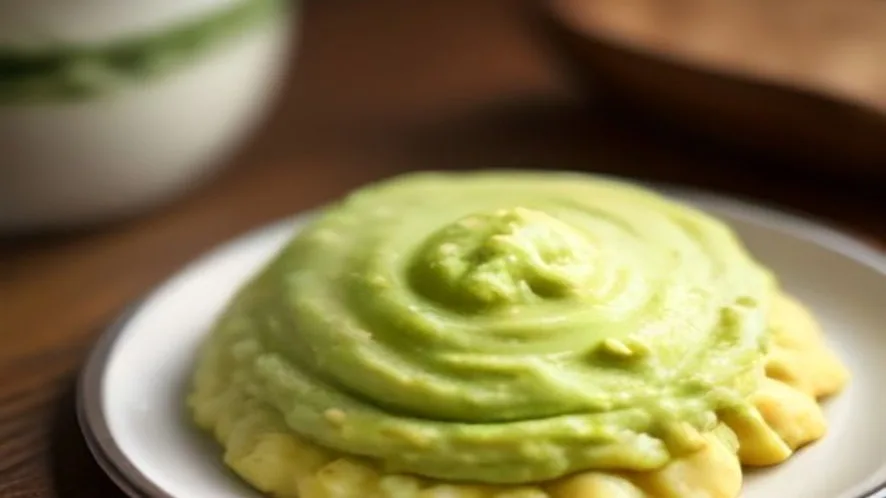
Short answer: Your hummus is not smooth because the chickpeas were likely undercooked or not peeled, and the blending time or method was insufficient. Properly cooked, peeled chickpeas blended with enough liquid and time create a creamy texture.
Hummus texture problems commonly arise because chickpeas are either undercooked or not prepped properly before blending. The skins and insufficient blending cause a coarse, grainy paste instead of a smooth, creamy dip. The balance of liquid and blending duration also affects the final consistency.
This page explains why hummus sometimes fails to be smooth and why guacamole turns brown after preparation. Understanding the science behind chickpea cooking and avocado oxidation helps cooks fix these issues quickly, improving everyday kitchen results.
Written by Anisha Akter · Updated 13 September 2026
Why is my hummus not smooth
Your hummus is not smooth because the chickpeas were likely undercooked or not peeled, and the blending time or method was insufficient.
Chickpeas have a tough outer skin that contains fibrous material which can cause a grainy texture in hummus if not removed. When chickpeas are undercooked, their starch granules remain firm and resistant to breaking down, making the hummus coarse rather than creamy. Proper cooking involves soaking chickpeas overnight to hydrate them, then boiling or pressure cooking until they are very soft — usually about 1 to 1.5 hours of simmering to reach an internal temperature around 90°C (194°F). Once cooked, peeling the skins by rubbing the chickpeas between your hands or using a sieve removes these fibrous coatings. During blending, using a food processor or high-speed blender for at least 3 to 5 minutes, combined with enough liquid like tahini, olive oil, or cooking water, helps break down starches and cell walls, resulting in a smooth, creamy texture. Insufficient blending time or too little liquid leaves the hummus lumpy or gritty.
Soak chickpeas overnight, cook until very soft (about 1 to 1.5 hours), peel skins after cooking by rubbing or sieving, and blend with enough liquid for 3 to 5 minutes in a food processor or high-speed blender for the smoothest hummus.
Why is my guacamole brown
Guacamole turns brown because the avocado flesh oxidizes when exposed to air, causing enzymatic browning.
Avocados contain an enzyme called polyphenol oxidase which reacts with oxygen in the air, catalyzing the conversion of phenolic compounds into brown pigments called melanins. This enzymatic browning starts within minutes of exposure to air and intensifies at room temperature. The rate of browning depends on factors like pH and temperature. Acidic ingredients such as lime or lemon juice lower the pH, slowing enzyme activity and delaying browning. However, even with acid, the reaction eventually occurs. Covering guacamole tightly to limit oxygen contact and storing it in the refrigerator at around 4°C (39°F) slows the enzymatic reaction, preserving the fresh green color longer. Without these precautions, browning can begin within 10 to 15 minutes after preparation.
Add fresh lime or lemon juice immediately after mashing, press plastic wrap tightly against the guacamole surface to minimize air exposure, and refrigerate promptly to slow browning and keep guacamole green longer.
How to avoid texture and color issues next time
- Cook chickpeas until very soft, about 1 to 1.5 hours after soaking overnight, to ensure smooth blending.
- Peel chickpea skins after cooking by rubbing between hands or using a sieve to remove grainy texture.
- Use a high-speed blender or food processor and blend hummus for at least 3 to 5 minutes with sufficient liquid to achieve creaminess.
- Add acidic juice like lemon or lime to guacamole immediately to slow enzymatic browning.
- Cover guacamole tightly with plastic wrap pressed directly on the surface to minimize oxygen exposure.
- Store guacamole in an airtight container in the fridge and consume within 1 to 2 days for best color and flavor.
Recipes that use this
Frequently Asked Questions
Can I fix hummus that is already grainy?
You can improve grainy hummus by blending it longer and adding more liquid such as olive oil, lemon juice, or cooking water to help loosen the texture. However, if the chickpeas were undercooked or their skins were not removed, the graininess may persist despite extra blending.
Does freezing guacamole prevent browning?
Freezing guacamole can stop enzymatic browning because low temperatures inhibit enzyme activity. However, freezing often changes the texture, making guacamole watery or mushy when thawed. It’s best to consume guacamole fresh or keep it refrigerated and covered to maintain texture and color.
Why do canned chickpeas sometimes produce gritty hummus?
Canned chickpeas are pre-cooked but often still have their skins intact, which contain fibrous material causing graininess. Additionally, canned chickpeas may be firmer or have preservatives affecting texture. Rinsing thoroughly and peeling the skins can help produce smoother hummus with canned chickpeas.

Hi! I’m the creator of scooks (Simple Cooks).I share easy, practical recipes and simple cooking ideas to help you enjoy everyday home cooking with confidence.
Happy cooking! 🍽️