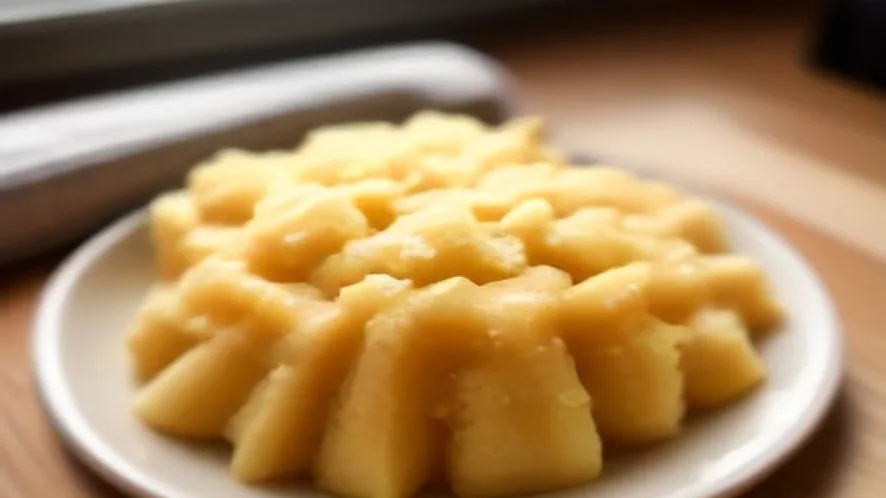
Short answer: Freezer meals for one person are single-serving dishes cooked in batches, portioned into individual containers, and frozen to save time and reduce waste. They allow quick reheating of balanced meals tailored to one person’s appetite and nutritional needs.
Freezing meals for one person addresses the problem of cooking too much food that spoils or causes repetitive leftovers. Meal prepping for a single portion requires careful planning to ensure meals are nutritious, varied, and sized correctly to avoid waste and overeating.
This page covers how to prepare freezer meals efficiently for one person, including beginner batch cooking tips, portioning strategies, container choices, and ways to keep meal prep interesting. It helps solo cooks, busy professionals, and anyone wanting convenient, healthy single servings.
Written by Anisha Akter · Updated 13 September 2026
On this page
Freezer meals for one person
Freezer meals for one person are single-serving dishes cooked and frozen individually to save time and minimize food waste. They are designed for convenient reheating and portion control.
Freezing meals in single portions prevents spoilage from uneaten leftovers and speeds up meal times. Single servings typically range from 300 to 500 grams (10-18 oz), balancing satiety and calorie needs. Proper freezing at or below -18°C (0°F) preserves texture and flavor for up to 3 months. Cooling meals to room temperature before freezing limits ice crystal formation, which can damage cell structure and cause watery textures upon thawing. Packaging tightly with airtight lids or freezer bags reduces freezer burn and odor absorption. Choosing meals with ingredients that freeze well, like cooked grains, root vegetables, and stews, improves final quality.
Cook meals in slightly larger batches, then divide immediately into single portions while still warm but cooled to room temperature before freezing to maintain quality.
Batch cooking for beginners
Batch cooking for beginners means preparing multiple meals or components at once to freeze or refrigerate, saving cooking time later.
Batch cooking optimizes kitchen time by making several meals or meal components simultaneously. Beginners should select recipes with similar ingredients and cooking methods to reduce complexity and prep time. For example, cooking a large pot of chili can provide several meals, while roasting a batch of vegetables can be used for different dishes. Using slow cookers, air fryers, or ovens can free up hands-on time. Batch cooking also helps control portion sizes and nutritional content. Planning a cooking day with a clear menu and ingredient list reduces stress and improves efficiency.
Start with two or three easy recipes using overlapping ingredients, cook them all on one day, then portion and freeze for variety throughout the week.
How to portion meals for the freezer
Portion meals for the freezer by measuring single servings based on appetite and nutritional needs, typically 300-500 grams (10-18 oz) per container.
Accurate portioning ensures balanced meals and prevents food waste. Use a digital kitchen scale to weigh cooked food into individual servings that meet your calorie and hunger requirements. For mixed dishes like casseroles or stews, divide evenly using measuring cups or scoops. Leave about 1-2 cm (½-¾ inch) headspace in containers to allow for food expansion during freezing, which prevents container deformation and bursting. Label each portion with the meal name and freezing date to track freshness. Consistent portion sizes facilitate meal planning and nutrition tracking, especially when following specific diets.
Use a digital scale to weigh portions and choose containers sized to hold the exact amount, avoiding overfilling or underfilling.
Best containers for meal prep
The best containers for meal prep are airtight, freezer-safe, and portion-sized, such as BPA-free plastic containers, glass jars, or silicone trays.
Choosing the right container affects meal quality, storage efficiency, and reheating convenience. BPA-free plastic containers are lightweight, stackable, and often microwave-safe, making them practical for everyday use. Glass containers resist staining and odors, are oven-safe, and maintain food quality well but are heavier and breakable. Silicone trays offer flexibility for easy portion removal and can double as baking molds. Look for containers with secure lids to prevent leaks and freezer burn. Clear containers allow easy identification of contents without opening. Investing in uniform container sizes maximizes freezer space and simplifies portioning.
Use stackable, clear containers with tight lids sized for single servings, and label them with freezer tape or marker for easy identification.
How to meal prep without getting bored
Vary ingredients, flavors, and cooking methods regularly to avoid boredom in meal prepping for one person.
Repetition in meal prep can lead to taste fatigue and reduced enjoyment. To maintain interest, rotate proteins such as chicken, beef, fish, and plant-based options, and incorporate diverse vegetables and grains. Experiment with different cuisines by using varied spices, herbs, and sauces. Preparing versatile base ingredients like rice, quinoa, or roasted vegetables separately allows mixing and matching at mealtime. Adding fresh elements like herbs, citrus zest, or a squeeze of lemon after reheating can brighten flavors. Planning a rotating menu with themed days (e.g., Mexican Monday, Asian Wednesday) keeps meals exciting and encourages trying new recipes.
Plan a rotating menu with theme nights and prepare versatile base ingredients that can be combined differently each time.
How to avoid issues with freezer meals for one person
- Use airtight containers to prevent freezer burn and maintain freshness.
- Cool meals completely before freezing to avoid ice crystal formation that damages texture.
- Label containers with date and contents to use older meals first and avoid waste.
- Portion meals according to your appetite to prevent overeating or throwing away leftovers.
- Rotate meal recipes and ingredients regularly to maintain variety and interest.
- Freeze meals within 2 hours of cooking to ensure food safety and quality.
Recipes that use this
Frequently Asked Questions
Can I freeze any type of meal for one person?
Most cooked meals freeze well if stored properly, but some ingredients do not handle freezing well. High-water-content vegetables like lettuce, cucumber, and raw potatoes become mushy after freezing. Dairy-heavy sauces or cream-based soups may separate and curdle. To maximize quality, freeze dishes with cooked grains, legumes, root vegetables, and meats. Reheat thoroughly to restore texture and flavor.
How long do freezer meals for one person last safely?
Frozen meals kept continuously at -18°C (0°F) or lower remain safe indefinitely, but their quality declines over time. For best taste and texture, consume frozen meals within 3 months. Beyond this, meals may develop freezer burn, off-flavors, or dry textures. Label meals with the freezing date and use the oldest first to minimize waste and maintain freshness.
What is the best way to reheat single-serving freezer meals?
Reheat frozen meals to an internal temperature of 74°C (165°F) to ensure food safety. For microwaving, remove lids or vent containers to prevent steam buildup, stir halfway through heating, and check temperature before eating. Oven reheating at 175°C (350°F) works well for casseroles or baked dishes; cover with foil to retain moisture. Avoid repeated reheating as it degrades texture and increases food safety risks.

Hi! I’m the creator of scooks (Simple Cooks).I share easy, practical recipes and simple cooking ideas to help you enjoy everyday home cooking with confidence.
Happy cooking! 🍽️