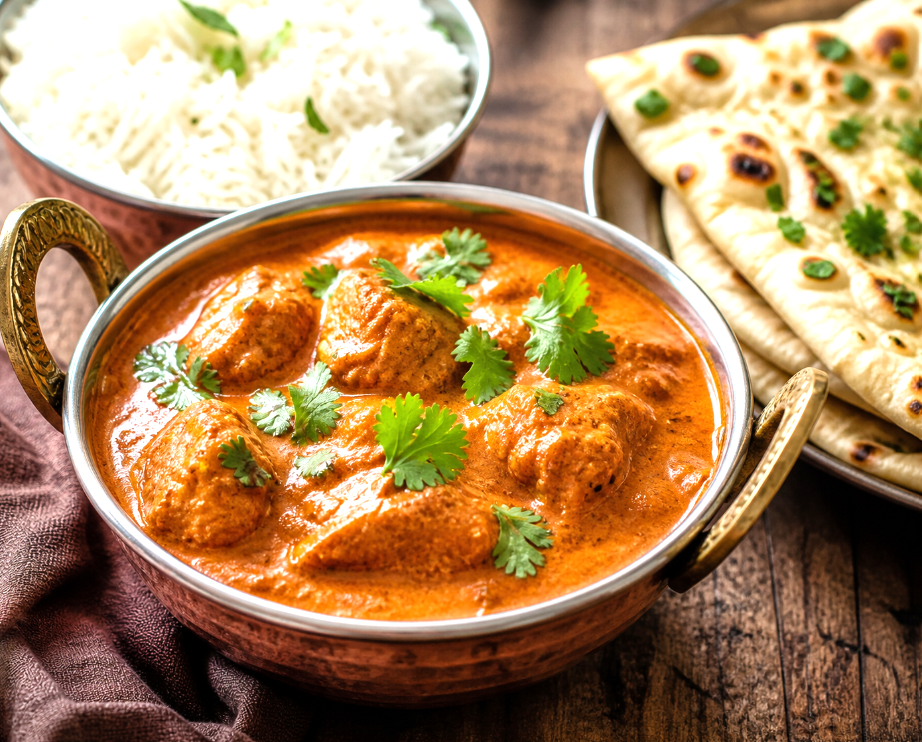
Chicken tikka masala is a popular Indian dish featuring chunks of marinated chicken grilled to develop a smoky exterior, then simmered in a rich, creamy tomato-based sauce enriched with spices and kasuri methi, a dried fenugreek leaf essential for its distinctive aroma and flavor. Though its exact origin is debated, it is widely associated with Indian cuisine adapted abroad, particularly in the UK, where it became a staple for its balance of spice and creaminess.
The main challenge in making chicken tikka masala at home is achieving the authentic grilled chicken texture and flavor, while also creating a sauce that is neither too thin nor overly oily. Improper marination can lead to dry chicken, and skipping the broiling step prevents the characteristic char and smoky notes. Additionally, avoiding curdling or separation of the cream in the sauce requires careful heat control and ingredient sequencing.
This recipe provides detailed steps to marinate and grill the chicken, prepare a well-balanced sauce, and combine both for a final simmer. The total time is about 75 minutes, including 30 minutes prep and 45 minutes cooking, yielding 4 servings with tender chicken pieces coated in a flavorful, creamy masala.
- Prep30 min
- Cook45 min
- Total1 hr 15 min
- Serves4 servings
- CourseMain Course
- CuisineIndian
Written by Anisha Akter · Updated 12 September 2026
Why This Chicken Tikka Masala Recipe Works
- Marinate the chicken in yogurt and spices overnight or at least 1 hour to tenderize using lactic acid and allow flavor absorption.
- Grill the chicken under a high broiler to achieve Maillard browning and slight charring, which adds smoky flavor and texture.
- Cook the tomato sauce slowly to concentrate flavors and reduce acidity by breaking down tomatoes and caramelizing sugars.
- Add cream and kasuri methi near the end of cooking to preserve creaminess and release the characteristic fenugreek aroma without bitterness.
- Simmer chicken in the sauce briefly to allow flavors to meld without overcooking the chicken and drying it out.
Ingredients and Why They Matter
These ingredients combine for authentic chicken tikka masala, including the key spice kasuri methi and yogurt for marination.
- 1 lb (450 g) boneless, skinless chicken thighs, cut into 1.5-inch (4 cm) pieces
- 1 cup (240 g) plain full-fat yogurt, preferably Greek-style
- 1 tbsp (15 ml) lemon juice
- 2 tsp (4 g) ground cumin
- 2 tsp (4 g) ground coriander
- 1 tsp (2 g) turmeric powder
- 1 tsp (2 g) garam masala
- 1 tsp (5 g) kosher salt, divided
- 1 tsp (5 g) chili powder, adjust for heat preference
- 3 tbsp (45 ml) vegetable oil, divided
- 1 large onion, finely chopped (about 1 cup/150 g)
- 4 garlic cloves, minced
- 1 tbsp (15 g) fresh ginger, grated
- 1 (14 oz/400 g) can crushed tomatoes, no salt added
- 1 tsp (1 g) smoked paprika
- 1 tsp (1 g) ground fenugreek leaves (kasuri methi)
- 1/2 cup (120 ml) heavy cream
- Fresh cilantro leaves, chopped, for garnish
Key Ingredient Notes
Kasuri methi — Kasuri methi, or dried fenugreek leaves, is essential for the characteristic flavor and aroma of chicken tikka masala, adding a slightly bitter, nutty note that balances the richness of the cream and tomato sauce; if unavailable, substitute with a small pinch of fenugreek powder but avoid fresh fenugreek as its flavor is different.
Plain full-fat yogurt — Using plain full-fat yogurt in the marinade tenderizes the chicken due to lactic acid breaking down proteins, while fat content helps bind spices and moisture; low-fat or non-fat yogurts can dry the chicken out and reduce creaminess in the marinade.
Chicken thighs — Boneless, skinless chicken thighs are preferred for their higher fat content and tenderness compared to breasts, which helps the chicken stay juicy when grilled and simmered; breasts can be substituted but will require careful timing to avoid drying.
Heavy cream — Heavy cream added at the end enriches the sauce, smoothing acidity from the tomatoes and providing a silky texture; half-and-half can be used as a lighter option but will reduce richness and may curdle if overheated.
Step-by-Step Instructions
- Combine yogurt, lemon juice, cumin, coriander, turmeric, garam masala, half the salt, and chili powder in a bowl; add chicken pieces and coat thoroughly. Cover and refrigerate for at least 1 hour, preferably overnight, to tenderize and infuse flavor.
- Preheat the broiler to high and arrange a wire rack on a baking sheet. Thread marinated chicken onto metal or soaked wooden skewers, spacing pieces evenly to allow heat circulation.
- Place the skewers under the broiler about 6 inches (15 cm) from the heat source and cook for 5-6 minutes per side, turning once, until chicken is charred at edges but not fully cooked internally; internal temperature should be around 140°F (60°C) as it will finish cooking in the sauce.
- Heat 2 tbsp (30 ml) vegetable oil in a 12-inch (30 cm) heavy skillet over medium heat. Add chopped onions and cook, stirring occasionally, until golden brown and softened, about 10-12 minutes, which develops sweetness and depth.
- Add minced garlic and grated ginger, cooking for 1-2 minutes until fragrant but not burnt, then stir in crushed tomatoes, smoked paprika, remaining salt, and simmer uncovered on low heat for 15-20 minutes until sauce thickens and oil separates slightly, indicating concentrated flavors.
- Crush kasuri methi between fingers and stir into the sauce, then add the grilled chicken pieces directly into the sauce. Simmer gently for 8-10 minutes until chicken reaches 165°F (74°C) internally and absorbs sauce flavors.
- Lower heat to medium-low and slowly stir in heavy cream, mixing until the sauce is uniform and heated through without boiling, which could cause curdling.
- Taste and adjust seasoning with salt and chili powder if needed. Garnish with chopped fresh cilantro leaves before serving.
- Serve chicken tikka masala hot with steamed basmati rice or warm naan bread to complement the rich sauce and tender chicken.
Food safety note: Chicken must reach an internal temperature of 165°F (74°C) before consumption to ensure safety; use a clean instant-read thermometer inserted into the thickest part of the chicken. Marinate chicken in the refrigerator to prevent bacterial growth. For full food safety guidelines on cooking temperatures, see FoodSafety.gov.
Common Mistakes and How to Avoid Them
Skipping broiling
Not broiling the marinated chicken results in missing the essential charred edges and smoky flavor that define chicken tikka, leading to bland and less textured meat; fix this by broiling on high heat using a wire rack to allow air circulation and even cooking.
Using plain tomato sauce instead of crushed tomatoes
Substituting canned crushed tomatoes with smooth tomato sauce or puree changes the sauce texture and reduces the fresh acidity and body needed for balance; use crushed tomatoes to preserve slight chunkiness and natural sweetness.
Adding cream too early
Incorporating cream before the sauce has reduced or while boiling can cause curdling and separation, ruining the sauce’s smooth texture; add cream off the heat or at low temperature near the end.
Overcooking chicken in sauce
Simmering chicken too long in the sauce leads to dry, tough meat and loss of tender texture; cook chicken just until it reaches 165°F (74°C) and remove from heat promptly.
Tips for Best Results
- Soak wooden skewers in water for 30 minutes before broiling to prevent burning.
- Use a wire rack on the baking sheet to allow hot air circulation and avoid steaming the chicken when broiling.
- Crush kasuri methi between your fingers before adding to release more aroma.
- Simmer the sauce uncovered to evaporate excess water and concentrate flavors without making it too thick.
- Rest the cooked chicken tikka masala for 5 minutes before serving to allow flavors to meld.
Variations to Try
Chicken breast version — Use 1 lb (450 g) boneless, skinless chicken breast cut into smaller pieces and reduce grilling time to 3-4 minutes per side to prevent drying out.
Dairy-free alternative — Replace yogurt with coconut milk and heavy cream with full-fat coconut cream; omit kasuri methi if unavailable, and add a pinch of ground fenugreek powder instead.
Spicier version — Increase chili powder to 2 tsp and add 1 finely chopped green chili during sauce cooking for extra heat.
Smoky flavor boost — Add 1/4 tsp smoked paprika to the marinade and use smoked or fire-roasted canned tomatoes in the sauce for enhanced smokiness.
Storage, Freezing and Reheating
- Store leftover chicken tikka masala in an airtight container in the refrigerator for up to 3 days.
- Reheat gently in a saucepan over low heat, stirring occasionally to prevent cream separation.
- Do not freeze the dish with cream as it can separate; freeze grilled chicken separately without sauce for up to 1 month and prepare fresh sauce when needed.
Serve it with
Frequently Asked Questions
Can I use chicken breast instead of thighs for chicken tikka masala?
Yes, chicken breast can be used but it is leaner and prone to drying out; cut into smaller pieces and shorten grilling and simmering time to maintain juiciness.
What is kasuri methi and can I skip it?
Kasuri methi is dried fenugreek leaves that add a unique slightly bitter and nutty aroma essential for authentic chicken tikka masala; skipping it will change the flavor, but a small pinch of fenugreek powder can replace it if unavailable.
How long should I marinate the chicken?
Marinate for at least 1 hour to allow the yogurt’s lactic acid to tenderize the meat and for spices to infuse; overnight marination enhances tenderness and flavor further.
Why does my sauce separate when I add cream?
Sauce separation occurs if cream is added while boiling or at too high a temperature; add cream off heat or on low heat and stir gently to maintain sauce emulsification.
Can I make chicken tikka masala without a grill or broiler?
Broiling or grilling is important to develop the characteristic char and smoky flavor; as an alternative, sear chicken pieces in a hot pan in batches without overcrowding, but the flavor will differ slightly.
What type of rice pairs best with chicken tikka masala?
Long-grain basmati rice is preferred because it cooks fluffy and separate, balancing the rich and creamy texture of the tikka masala sauce.

Hi! I’m the creator of scooks (Simple Cooks).I share easy, practical recipes and simple cooking ideas to help you enjoy everyday home cooking with confidence.
Happy cooking! 🍽️