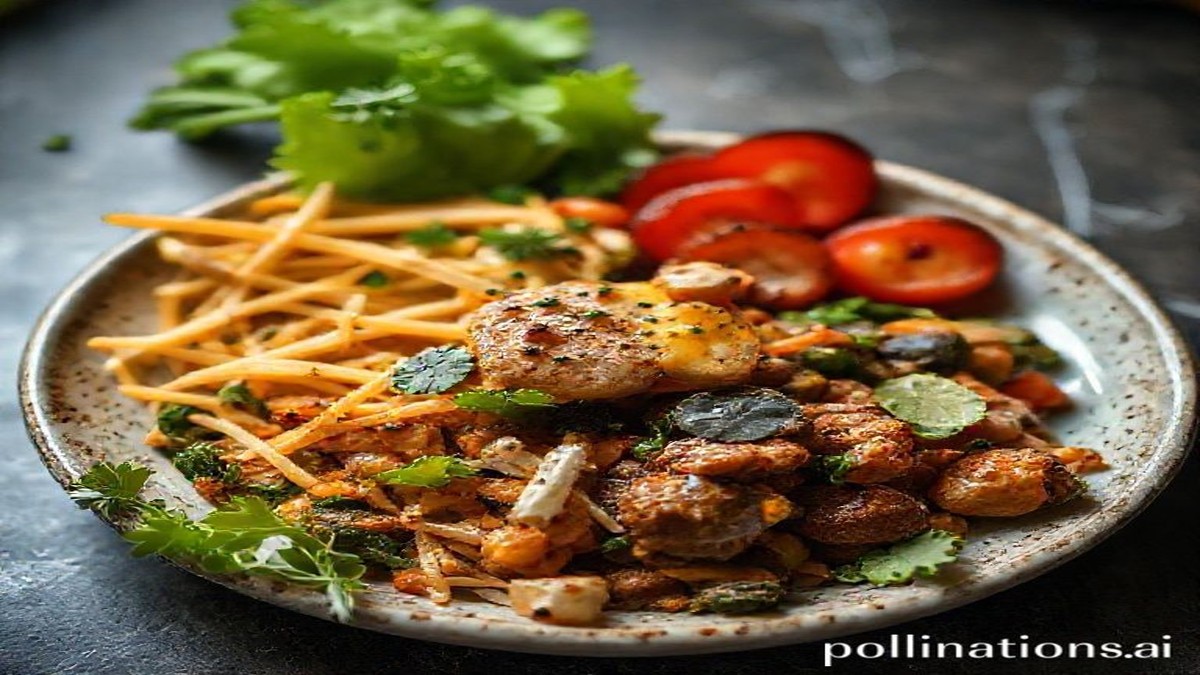
Welcome back, beautiful people! If you’re anything like me, you’ve probably hit that wall where you want to lose weight, you want to be vegetarian, but you constantly feel hungry. It’s a classic problem: we eat a big bowl of salad or pasta, and two hours later, we’re back in the kitchen staring into the fridge, wondering why we aren’t satisfied. The solution I discovered wasn’t about cutting more calories; it was about increasing one key macronutrient: protein. For us vegetarians, this requires intention. That’s why I created this high-protein vegetarian meal prep guide. It’s designed not only to boost your metabolism and keep you full but also to simplify your life so you can finally celebrate those weight loss milestones without the constant struggle. Let’s get started!
High Protein Vegetarian Meal Prep for Weight Loss: The Ultimate Guide
I know what you’re thinking: “I already eat a healthy vegetarian diet, why am I struggling to lose weight?” For most of us, the culprit is a lack of satiety. High-protein meals keep you feeling full for longer, which reduces snacking and helps manage portion sizes without feeling deprived. When you’re in a calorie deficit, protein also helps preserve muscle mass, which is crucial for maintaining a healthy metabolism. This meal plan takes away the guesswork, ensures you’re hitting your protein goals, and keeps you from making poor choices when hunger strikes at 3 PM.
The High Protein Vegetarian Meal Prep Ingredients
The core of a successful high-protein vegetarian meal prep lies in stocking your pantry and fridge with the right items. These are my go-to ingredients that form the base of every satisfying meal:
- Tofu and Tempeh: These are your absolute workhorses. Tofu is incredibly versatile and soaks up flavor beautifully. Tempeh offers a nuttier flavor and a firmer texture.
- Legumes and Lentils: Chickpeas, black beans, kidney beans, and red lentils are essential for everything from curries to salads.
- High-Protein Grains: Quinoa is a complete protein, making it fantastic for building meal prep bowls. Also look for high-protein pasta made from lentils or chickpeas.
- Eggs and Dairy: Greek yogurt (plain, full-fat or 2%) and cottage cheese are packed with protein and perfect for breakfast or snacks. Eggs are a vegetarian staple for quick meals.
- Nuts, Seeds, and Nutritional Yeast: Almonds, chia seeds, hemp seeds, and nutritional yeast add a protein punch to just about anything.
Step-by-Step Instructions for Your Meal Prep Week
This is where we turn theory into practice. I promise, a dedicated two hours on Sunday will save you hours of stress during the work week. Follow this simple process for success:
- Plan Your Menu and Shopping List: Before you start cooking, decide on your meals for the week. Choose one or two protein sources (e.g., tofu and lentils) and plan to incorporate them into different meals. Don’t forget snacks!
- Batch Cook Your Protein Base: This is the most critical step. Prepare your protein in bulk first. Roast a block or two of tofu with your favorite seasoning (garlic powder, soy sauce, paprika). Cook a large batch of lentils or chickpeas. If you’re using tempeh, slice it up and marinate it in a large container.
- Prepare Your Complex Carbs/Grains: While the protein is cooking, prepare your grains. Cook a big batch of quinoa or high-protein pasta. This will serve as the foundation for your lunch bowls and dinners throughout the week.
- Roast Your Veggies: Chop up hardy vegetables like broccoli, bell peppers, and carrots. Toss them in olive oil and seasoning, and roast them on a sheet pan until tender.
- Assemble and Store: Now comes the fun part! Assemble your meals directly into containers. Layer the grain base, add a scoop of your pre-cooked protein, and top with roasted veggies. Keep dressings and sauces separate to prevent everything from getting soggy.
Tips, Tricks, and Frequently Asked Questions (FAQ)
FAQ: How do I avoid getting bored with the same food all week?
This is probably the number one reason people give up on meal prep. The key is variety in flavor, not necessarily in ingredients. Cook your protein base simply (like plain roasted tofu) and then use different sauces and spices each day. Add a different topping to your lunch bowl every day: sriracha on Monday, pesto on Tuesday, lemon tahini dressing on Wednesday. You’d be surprised how much a small change in flavor can change the entire meal!
FAQ: How long do high-protein vegetarian meals last?
For best results, aim for 3-5 days. If you’re worried about food safety, only prep enough for four days and freeze the rest. For things like roasted tofu and cooked lentils, I recommend storing them separately from your greens to keep everything fresh and crisp.
Anisha’s Top Tips:
- Get High-Protein Snacks: Keep hard-boiled eggs, Greek yogurt with berries, and edamame pods readily available in the fridge. These are great for when you feel hungry between meals.
- Don’t Fear Fats: Healthy fats are essential for satiety. Use avocados, nuts, and olive oil in moderation to keep you full and satisfied.
- Make it Fun: Put on some music, light a candle, and make your meal prep session enjoyable. This isn’t a chore; it’s an investment in your health and success for the week ahead.
I hope this guide helps you feel confident and excited about meal prep. Getting ahead with your food choices is one of the biggest high-fives you can give yourself on your weight loss journey. You’ve got this!

Hi! I’m the creator of scooks (Simple Cooks).I share easy, practical recipes and simple cooking ideas to help you enjoy everyday home cooking with confidence.
Happy cooking! 🍽️