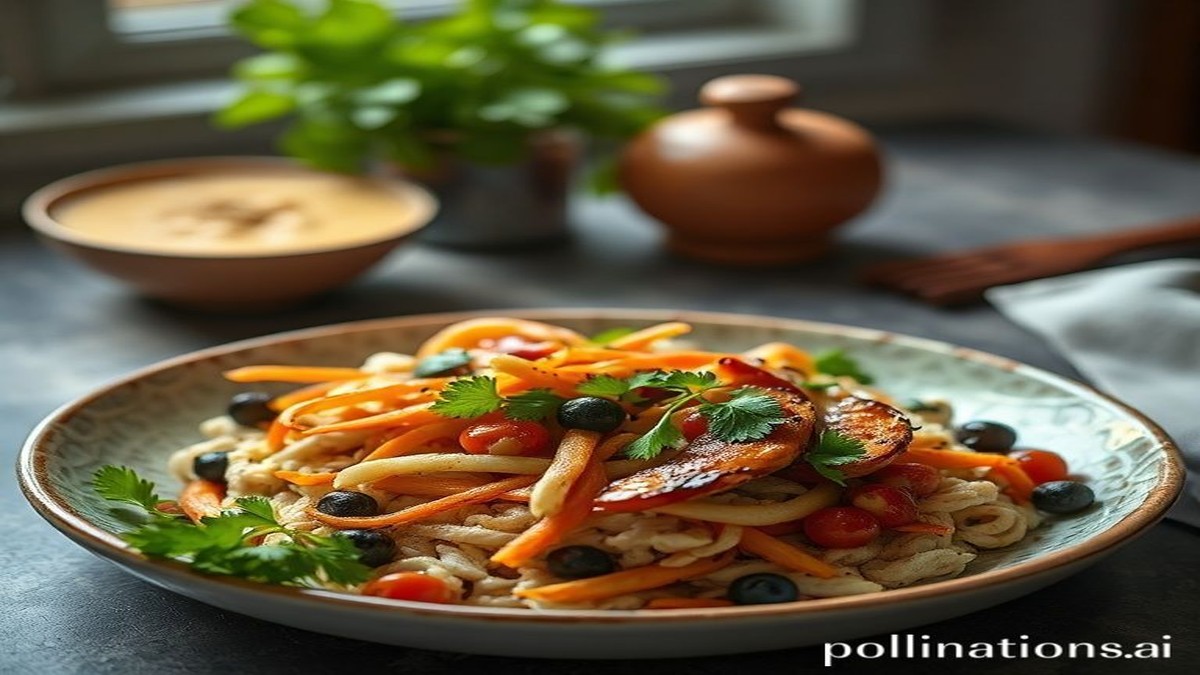
Have you ever had one of those days where you finally make it home, exhausted from work, and the last thing you want to do is chop vegetables and wait for a pot of water to boil? I know the feeling. It’s exactly in those moments when we feel overwhelmed that we tend to reach for the easiest option—a quick takeaway or pre-packaged meal. While those options are convenient, they often come with hidden ingredients and high sodium levels that leave us feeling sluggish later. But what if I told you that you could whip up a healthy, delicious meal for two in less time than it takes for delivery? This post is all about reclaiming your evenings and taking control of your health, one 15-minute meal at a time.
Healthy Eating in 15 Minutes: Why Quick Meals Protect Your Health
When life gets busy, we often prioritize speed over health, but it doesn’t have to be that way. The World Health Organization (WHO) reminds us that a healthy diet is essential for good health and protection against chronic noncommunicable diseases, such as heart disease, diabetes, and certain cancers. The challenge for many of us, especially in fast-paced modern life, is finding time to prepare meals that meet these healthy standards. The beauty of quick cooking is that it puts us in charge. When you cook at home, even if it’s only for 15 minutes, you control exactly what goes into your meal. You cut down on hidden sugars, fats, and excessive sodium found in processed foods, effectively protecting your long-term health in real time.
Ingredients for Your Balanced Meal
For a perfect 15-minute meal for two, we need ingredients that cook quickly and provide a balance of nutrients (protein, complex carbohydrates, and vegetables). Here is my favorite go-to list for a speedy Garlic Shrimp Stir-fry:
- Protein: 250g raw shrimp (defrosted) or 200g firm tofu (cubed)
- Carbohydrates: 1 cup (dry) quick-cook rice or quinoa, or 2 servings of whole wheat noodles
- Vegetables: 2 cups pre-chopped mixed stir-fry vegetables (broccoli florets, julienned carrots, snow peas, bell peppers)
- Aromatics: 2 cloves garlic (minced), 1-inch piece ginger (grated)
- Sauce Components: 2 tbsp low-sodium soy sauce or tamari, 1 tbsp rice vinegar, 1 tsp sesame oil, Pinch of red pepper flakes (optional)
- Healthy Fat/Topping: 1 tbsp avocado oil for cooking, sesame seeds, chopped green onion
Step-by-Step Instructions: Cooking in Under 15 Minutes
Here’s how to make this delicious meal a reality in just 15 minutes:
- Get Ready (5 minutes): Start by putting your rice or quinoa on to cook according to the package directions. While it simmers, prep your ingredients. Pat the shrimp or tofu dry, mince the garlic, grate the ginger, and get your vegetables ready.
- Wok Time (5 minutes): Heat the avocado oil in a wok or large frying pan over high heat. Add the shrimp/tofu and cook quickly for 2-3 minutes until nearly done. Add the garlic and ginger, cooking for another 30 seconds until fragrant.
- Stir-fry and Sauce (3 minutes): Add all the pre-chopped vegetables to the pan. Stir-fry constantly for 2-3 minutes until the vegetables are tender-crisp. Add the low-sodium soy sauce, rice vinegar, and sesame oil. Toss everything together to coat thoroughly.
- Combine and Serve (2 minutes): Drain the rice/quinoa and divide it between two bowls. Top with the stir-fry. Garnish with sesame seeds and chopped green onions. Enjoy!
Tips for Reducing Sodium and Increasing Variety (WHO Recommendations)
The WHO emphasizes the importance of managing sodium intake. Did you know excessive sodium intake can increase the risk of hypertension and heart disease? When we make quick meals, we often rely on pre-made sauces which can be high in sodium. Here’s how we can reduce salt without sacrificing flavor, as recommended by health organizations:
- Ditch the Salt Shaker: Use herbs, spices, and aromatics instead of salt. Garlic, ginger, chili flakes, turmeric, and dried herbs like oregano or thyme add layers of flavor without increasing your sodium intake.
- Read Labels: When buying pre-packaged ingredients like soy sauce or canned broths, always look for the “low-sodium” or “no added salt” versions.
- Increase Variety: The WHO recommends eating a variety of foods, especially fresh vegetables and fruits. In this meal, try swapping the vegetables weekly (e.g., asparagus and mushrooms one week, bok choy and peppers another) to ensure you get a broad range of vitamins and minerals.
FAQs: Quick Meal Prep and Healthy Substitutions
Q: I really don’t have 15 minutes to spare. How can I speed this up even more?
A: Pre-prep is your best friend. On a day off, wash and chop all your vegetables. Store them in airtight containers in the fridge. This cuts the active cooking time down to about 8-10 minutes. Also, consider “batch cooking” grains like quinoa or rice on a Sunday, so you only need to reheat them during the week.
Q: What if I don’t like shrimp or want a different protein source?
A: This recipe is very flexible. You can substitute the shrimp with firm tofu, chicken breast cut into small cubes, or even chickpeas. The key is ensuring your protein source is cut small enough to cook quickly in the 15-minute window.
Q: How can I make sure I am getting enough healthy variety throughout the week, even with quick meals?
A: To follow the WHO recommendation of eating a variety of foods, I suggest planning your quick meals around different colors and types of vegetables. Try to include a red, a green, and an orange vegetable in each meal. This simple visual guide helps ensure you get a wide range of micronutrients and antioxidants throughout the week.

Hi! I’m the creator of scooks (Simple Cooks).I share easy, practical recipes and simple cooking ideas to help you enjoy everyday home cooking with confidence.
Happy cooking! 🍽️