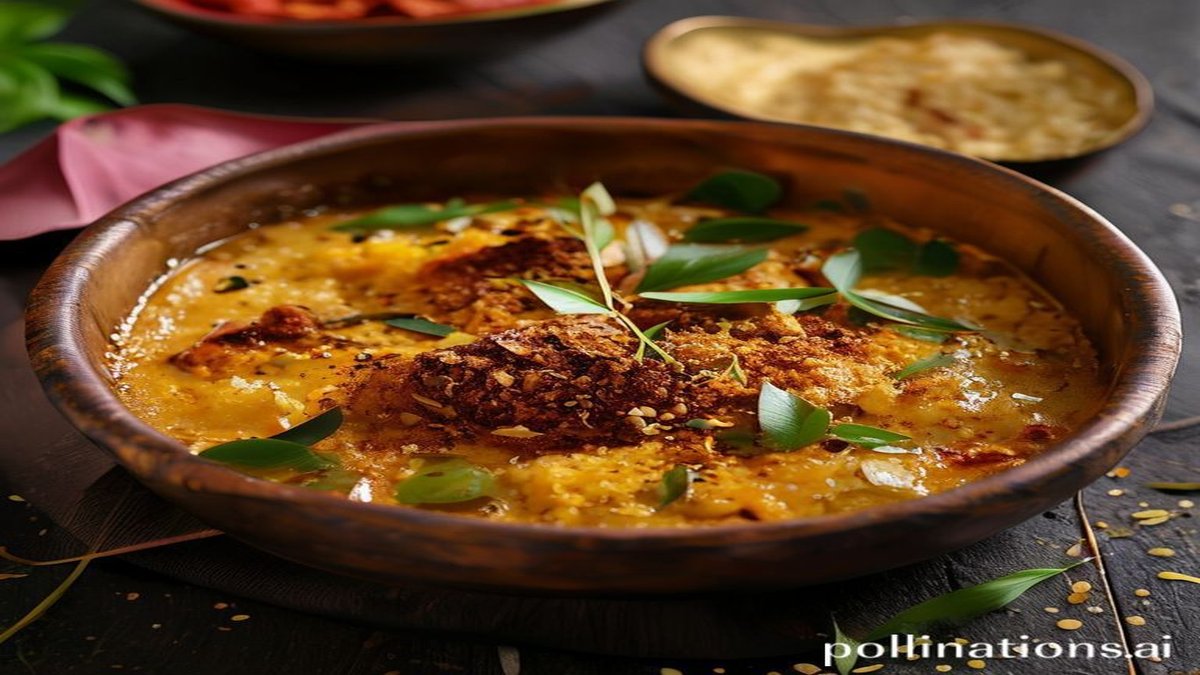
Imagine the comforting warmth of a dish where golden Jaggery melts into creamy Raw Rice and lentils, infused with the rich aroma of roasted Cashew Nuts and fragrant Cardamom. This delightful creation is Chakkara Pongal, a treasured South Indian sweet dish, perfect for festivals or any special occasion. If you’re searching for the ultimate Sweet Pongal recipe, you’ve found it! Our step-by-step guide will show you exactly How to make Chakkara Pongal, also lovingly known as Sakkarai Pongal, right in your kitchen.
Why This Chakkara Pongal Recipe Works
This recipe ensures a perfectly rich and flavorful Chakkara Pongal every single time. We utilize a Pressure Cooker, which significantly cuts down cooking time for the Raw Rice and Moong Dal, making this Traditional Pongal accessible even on busy days. The clear instructions guarantee you’ll achieve that authentic taste and texture that makes this dish so cherished.
Key Ingredients (The Science Behind the Sweetness)
Raw Rice and Moong Dal: The Creamy Base
The heart of Chakkara Pongal lies in its combination of Raw Rice (like Ponni or Sona Masuri) and Moong Dal. The Raw Rice provides a wholesome texture, while the Moong Dal, when lightly roasted, adds a nutty depth and helps achieve a wonderfully creamy, mushy consistency. Together, they form the perfect canvas for the sweet flavors to meld.
Jaggery: The Golden Sweetener
Jaggery is indispensable for Chakkara Pongal. This unrefined sugar product offers a complex sweetness with hints of caramel and molasses, far richer than white sugar. It also imparts the beautiful golden-brown color characteristic of Traditional Pongal. Choosing good quality Jaggery is crucial for the best flavor in your Sweet Pongal recipe.
Ghee and Cardamom: Aroma and Richness
Generous amounts of pure Ghee (clarified butter) and fragrant Cardamom are vital for the authentic taste and aroma. Ghee adds an unparalleled richness and silky texture, preventing the Pongal from drying out. Cardamom, with its warm, sweet, and floral notes, perfectly complements the Jaggery, creating an inviting fragrance that defines this South Indian sweet dish.
Equipment Needed
- Pressure Cooker (3-liter or larger recommended)
- Heavy-bottomed pan or kadai (for mixing and cooking)
- Small pan for Tempering
- Measuring cups and spoons
- Spatula or sturdy ladle
- Fine-mesh sieve (for straining Jaggery syrup)
Ingredients Table for Chakkara Pongal
| Ingredient | Amount | Notes |
|---|---|---|
| Raw Rice (Ponni or Sona Masuri) | ½ cup | |
| Moong Dal (split yellow lentils) | ¼ cup | |
| Jaggery, grated or powdered | ¾ cup to 1 cup | Adjust to your desired sweetness |
| Water (for cooking rice & dal) | 3 cups | |
| Water (for jaggery syrup) | ¼ cup | |
| Ghee | 4-5 tablespoons | More can be added for extra richness |
| Cashew Nuts, broken | 10-15 pieces | |
| Raisins | 1 tablespoon | |
| Cardamom powder | ½ teaspoon | From 4-5 green cardamoms, freshly ground |
| Edible Camphor (Pachai Karpooram) | A tiny pinch | Optional, for authentic temple flavor |
Step-by-Step Instructions: How to Make Chakkara Pongal
Follow these detailed steps carefully to prepare your delicious Sakkarai Pongal:
- Prepare Raw Rice and Moong Dal: Begin by dry-roasting the Moong Dal in a pan over low heat until it turns light golden and releases a fragrant aroma. Do not burn it. Wash the Raw Rice and the roasted Moong Dal together thoroughly under running water until the water runs clear.
- Cook in Pressure Cooker: Transfer the washed Raw Rice and Moong Dal to your Pressure Cooker. Add 3 cups of water. Close the lid and cook on a medium flame for 4 to 5 whistles. Once done, turn off the heat and allow the pressure to release naturally. Open the cooker, and the rice and dal should be very soft and mushy. Mash them lightly with the back of a ladle.
- Prepare Jaggery Syrup: In a separate heavy-bottomed pan, combine the grated Jaggery with ¼ cup of water. Heat this mixture on a low flame, stirring constantly until the Jaggery completely dissolves. You don’t need to boil it for long; just dissolve it.
- Strain Jaggery Syrup: Carefully pour the dissolved Jaggery syrup through a fine-mesh sieve directly into the cooked rice and dal mixture. This step is important to remove any impurities that might be present in the Jaggery.
- Combine and Cook: Mix the strained Jaggery syrup thoroughly with the mashed rice and dal. Place the pan back on a low flame. Cook this mixture, stirring continuously, until it thickens and starts to pull away from the sides of the pan. This ensures the flavors are well combined and the Pongal reaches the right consistency.
- Add Aromatics: Stir in the Cardamom powder. If using, add a tiny pinch of Edible Camphor now. This gives your Chakkara Pongal that distinctive, traditional temple flavor.
- Perform Tempering: In a small separate pan, heat 2 tablespoons of Ghee. Add the broken Cashew Nuts and fry them until they turn golden brown. Next, add the Raisins and fry until they puff up beautifully.
- Finish with Tempering: Immediately pour this fragrant Tempering mixture (containing the fried Cashew Nuts and Raisins in Ghee) over the Chakkara Pongal in the main pan. Add the remaining 2-3 tablespoons of Ghee as well. Mix everything gently until well combined. The extra Ghee adds richness and helps keep the Pongal moist.
- Serve Hot: Your delicious and aromatic Sweet Pongal recipe is now ready! Serve your Traditional Pongal hot and enjoy every spoonful.
Expert Tips for Perfect Sakkarai Pongal
Chef’s Secret: The secret to truly outstanding Chakkara Pongal lies in the quality of your ingredients and generous use of Ghee. Don’t be shy with the Ghee, as it imparts unparalleled richness and flavor. Always taste your Jaggery for sweetness before adding; you might need to adjust the amount. For an authentic experience, a tiny dash of Edible Camphor (Pachai Karpooram) makes a world of difference. Lastly, ensure your Tempering is done perfectly, as the roasted Cashew Nuts and plump Raisins add crucial texture and aroma.
Nutritional Info (Approximate per serving)
Chakkara Pongal is a calorie-dense and energy-rich dish. While exact nutritional values depend on specific ingredients and portion sizes, one serving typically provides around 300-400 calories. It is rich in carbohydrates from Raw Rice and Jaggery, and contains healthy fats from Ghee and Cashew Nuts. It’s a wonderful treat to be enjoyed in moderation.
Chakkara Pongal FAQ
What is the difference between Chakkara Pongal and other Pongal types?
Chakkara Pongal, also known as Sakkarai Pongal or Sweet Pongal recipe, is the sweet variant of Pongal, made primarily with Jaggery. The savory version, called Ven Pongal, uses salt, black pepper, and other spices instead of Jaggery, and often includes ginger and curry leaves.
Can I make Chakkara Pongal without a Pressure Cooker?
Absolutely! If you don’t have a Pressure Cooker, you can cook the Raw Rice and Moong Dal in a heavy-bottomed pot. You’ll need to use a bit more water (around 4-5 cups) and cook it on low heat, covered, for about 25-35 minutes, or until the rice and dal are very soft and mushy. Stir occasionally to prevent sticking. The rest of the process, including adding Jaggery and Tempering, remains the same.
What is Edible Camphor and why is it used in Chakkara Pongal?
Edible Camphor (Pachai Karpooram) is a natural, aromatic crystalline substance. In South Indian sweet dishes, particularly Traditional Pongal offered in temples, a tiny pinch is added for its unique, slightly cooling, and fragrant flavor. It provides a distinctive aroma that many associate with authentic temple preparations.
Conclusion
Mastering the Chakkara Pongal recipe is a delightful journey into the heart of South Indian sweet dishes. This Traditional Pongal is more than just food; it’s a taste of tradition, comfort, and joy. We trust this detailed guide on How to make Chakkara Pongal has equipped you to create a perfect, fragrant, and rich Sweet Pongal recipe that will impress everyone. Go ahead, try this beloved Sakkarai Pongal, and savor every golden spoonful!

Hi! I’m the creator of scooks (Simple Cooks).I share easy, practical recipes and simple cooking ideas to help you enjoy everyday home cooking with confidence.
Happy cooking! 🍽️