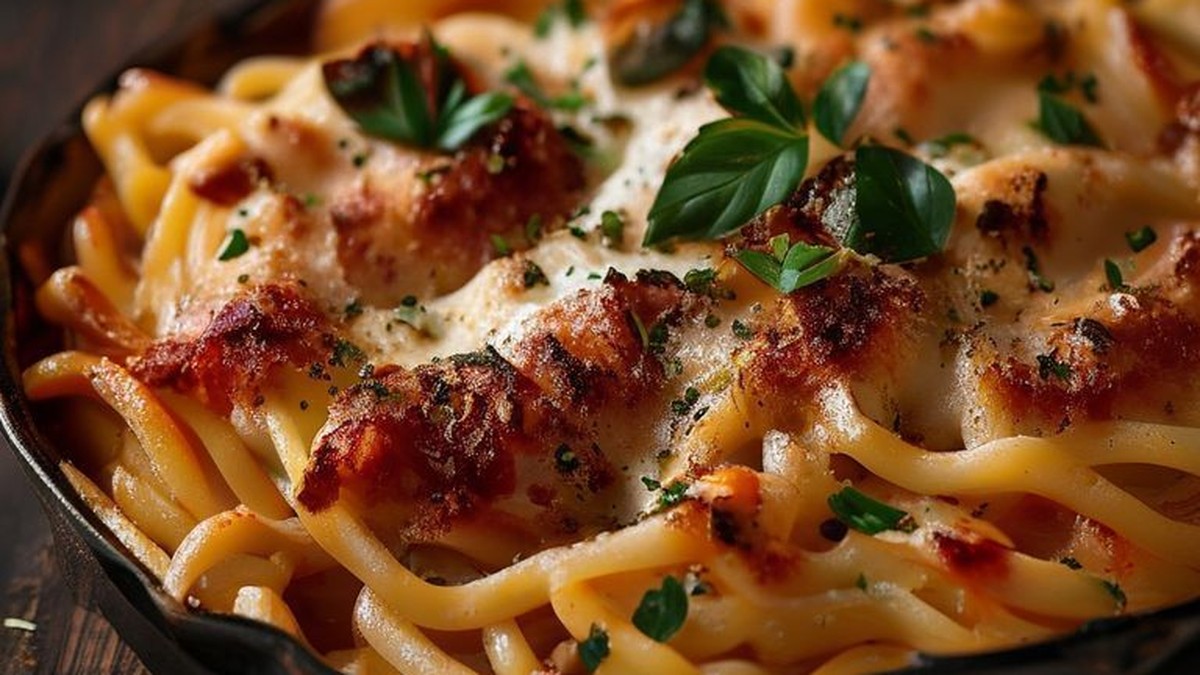
Imagine the aroma wafting from your kitchen, a rich tapestry of savory herbs, sweet tomatoes, and browned ground beef, all mingling with the unmistakable scent of melting cheese. Picture a hearty dish, bubbling gently, its golden-brown top promising a symphony of textures – tender pasta, robust meat sauce, and creamy, stretchy cheese – with every single forkful. This isn’t just a meal; it’s an experience, a warm embrace on a plate, delivering unparalleled comfort and satisfaction that transforms any ordinary evening into a special occasion. Forget the simple stovetop version; this baked spaghetti recipe elevates a classic to new heights, making it an unforgettable centerpiece for your family dinner table.
Why Choose This Baked Spaghetti Recipe?
🔥 Recommended: Stop Dinner Battles! 15 Quick Meals Picky Eaters Love
There are countless reasons why this particular baked spaghetti recipe stands out as a culinary champion, particularly when you’re seeking a meal that offers both convenience and incredible flavor. First and foremost, it’s the ultimate comfort food. The combination of well-seasoned meat sauce, perfectly cooked spaghetti, and an abundance of gooey, melted cheese creates a deeply satisfying dish that evokes feelings of warmth and nostalgia, perfect for chilly evenings or a much-needed morale boost. It transforms simple ingredients into something truly extraordinary.
Beyond its comforting appeal, this recipe is remarkably practical for busy households. It’s an excellent make-ahead meal, allowing you to prepare components or even the entire casserole in advance, then simply bake it when you’re ready to serve. This flexibility makes it ideal for meal prepping, entertaining guests, or when you know you’ll have a hectic evening ahead. Furthermore, baked spaghetti is a fantastic crowd-pleaser. Its hearty nature and universally loved flavors ensure that even the pickiest eaters will ask for seconds, making it a reliable choice for family gatherings, potlucks, or large dinner parties. It’s robust enough to satisfy hungry appetites and versatile enough to pair with a simple side salad and crusty bread, creating a complete and balanced meal with minimal fuss.
The beauty of this recipe also lies in its ability to take on different forms depending on your preferences. While the core ingredients remain consistent, you have the freedom to customize it. Add a layer of ricotta cheese for an even creamier texture, sneak in some vegetables like diced bell peppers or mushrooms for added nutrition, or adjust the spice level to your liking. The baking process allows the flavors to meld and intensify, resulting in a dish far richer and more complex than its stovetop counterpart. This makes it not just a meal, but an adaptable culinary canvas waiting for your personal touch.
Best Ingredient Selections for Optimal Flavor
The success of any outstanding dish often hinges on the quality and selection of its ingredients, and this baked spaghetti recipe is no exception. Paying attention to these details will elevate your final product from good to truly exceptional.
Ground Meat
For the meat sauce, opting for good quality ground beef is crucial. A lean-to-fat ratio of 85/15 or 80/20 is often ideal, as it provides enough fat for flavor without making the sauce overly greasy. If you prefer, a mixture of ground beef and Italian sausage (mild or hot, depending on your preference) can add a delightful depth and spicy kick to the sauce. Alternatively, ground turkey or chicken can be used for a lighter version, though you might need to add a touch more olive oil to compensate for the lower fat content and prevent the sauce from drying out.
Tomato Products
The foundation of any great spaghetti sauce is the tomatoes. Invest in high-quality canned crushed tomatoes or tomato purée, ideally those labeled “San Marzano style” for their sweetness and lower acidity. A small can of tomato paste is also essential; browning it slightly before adding other liquids deepens the umami flavor of the sauce dramatically. Consider a can of diced tomatoes for texture if you enjoy a chunkier sauce, though crushed tomatoes provide a smoother, more integrated base.
Pasta
While spaghetti is the traditional choice, feel free to experiment with other long pasta shapes like linguine or bucatini (which is thicker and hollow, allowing it to hold sauce beautifully). The key is to cook the pasta al dente, meaning it should still have a slight bite to it. Remember, it will continue to cook in the oven, so slightly undercooking it on the stovetop prevents it from becoming mushy in the final baked dish.
Cheese
The cheese layer is a defining characteristic of baked spaghetti. A blend of cheeses offers the best flavor and texture. Mozzarella is non-negotiable for its incredible meltiness and stretch. Use a low-moisture, part-skim mozzarella for the best results, as fresh mozzarella can release too much water during baking. Grated Parmesan or Pecorino Romano cheese adds a salty, nutty depth. For an extra creamy layer, consider adding a layer of ricotta cheese mixed with an egg and some fresh parsley – this mimics a lasagna-like texture and richness that is absolutely divine. Always grate your own cheese if possible; pre-shredded cheeses often contain anti-caking agents that can affect their melt and texture.
Aromatics and Herbs
Fresh garlic and onions are the backbone of the sauce’s flavor. Don’t skimp on these. For herbs, dried oregano, basil, and a bay leaf are standard additions, but fresh herbs like parsley and basil stirred in at the end or used as a garnish will brighten the dish considerably. A pinch of red pepper flakes can add a subtle warmth without making the dish overtly spicy. Freshly ground black pepper and good quality sea salt are indispensable for seasoning.
By thoughtfully selecting each of these components, you’re laying the groundwork for a baked spaghetti recipe that is truly a cut above the rest, ensuring every bite is bursting with robust, satisfying flavor.
Here’s what you’ll need:
| Ingredient | Amount |
|---|---|
| Spaghetti | 1 lb |
| Ground Beef (85/15 or 80/20) | 1.5 lbs |
| Olive Oil | 2 tbsp |
| Yellow Onion, chopped | 1 large |
| Garlic, minced | 4-5 cloves |
| Tomato Paste | 6 oz can |
| Crushed Tomatoes | 28 oz can |
| Tomato Sauce (plain) | 15 oz can |
| Beef Broth or Water | 1/2 cup |
| Dried Oregano | 1 tsp |
| Dried Basil | 1 tsp |
| Bay Leaf | 1 |
| Salt | 1 tsp (or to taste) |
| Black Pepper | 1/2 tsp (or to taste) |
| Ricotta Cheese | 15 oz container |
| Large Egg | 1 |
| Fresh Parsley, chopped | 1/4 cup |
| Mozzarella Cheese, shredded | 3 cups |
| Parmesan Cheese, grated | 1/2 cup |
Detailed Step-by-Step Instructions
- Preheat your oven to 375°F (190°C). Lightly grease a 9×13 inch baking dish with cooking spray or a little olive oil.
- Cook the spaghetti according to package directions, but aim for al dente, meaning it should still be slightly firm to the bite. This usually means cooking it 1-2 minutes less than the minimum time specified. Drain the spaghetti thoroughly and set aside. You can toss it with a tablespoon of olive oil to prevent sticking.
- While the spaghetti cooks, prepare the meat sauce. Heat the olive oil in a large pot or Dutch oven over medium heat. Add the chopped onion and cook until softened and translucent, about 5-7 minutes.
- Add the minced garlic and cook for another minute until fragrant, being careful not to burn it.
- Add the ground beef to the pot, breaking it up with a spoon. Cook until thoroughly browned, crumbling it as you go. Drain any excess grease from the pot.
- Stir in the tomato paste and cook for 2-3 minutes, stirring frequently. This step helps to caramelize the paste and deepen the flavor of the sauce.
- Pour in the crushed tomatoes, tomato sauce, and beef broth (or water). Add the dried oregano, dried basil, bay leaf, salt, and black pepper. Stir everything together well.
- Bring the sauce to a simmer, then reduce the heat to low, cover, and let it cook for at least 20-30 minutes, or up to an hour, stirring occasionally. The longer it simmers, the more the flavors will meld.
- While the sauce simmers, prepare the ricotta layer (if using). In a medium bowl, combine the ricotta cheese, egg, and fresh chopped parsley. Mix until well combined and set aside.
- To assemble the baked spaghetti: Spread about 1/2 to 1 cup of meat sauce on the bottom of your prepared 9×13 inch baking dish. This prevents the pasta from sticking.
- Place half of the cooked spaghetti evenly over the sauce layer.
- Spread the ricotta cheese mixture over the spaghetti layer (if using). If not, proceed to the next step.
- Top with half of the remaining meat sauce, spreading it evenly.
- Sprinkle about 1.5 cups of shredded mozzarella cheese over the meat sauce.
- Add the remaining spaghetti on top of the mozzarella layer, spreading it out.
- Cover with the rest of the meat sauce, ensuring the spaghetti is mostly covered.
- Finally, generously sprinkle the remaining 1.5 cups of mozzarella cheese and the 1/2 cup of grated Parmesan cheese over the top.
- Cover the baking dish loosely with aluminum foil. Bake for 20 minutes.
- Remove the foil and bake for another 15-20 minutes, or until the cheese is bubbly, golden brown, and the sauce is heated through.
- Once baked, remove the dish from the oven and let it rest for 10-15 minutes before slicing and serving. This resting period allows the casserole to set, making it easier to cut and ensuring the layers stay intact.
Chef’s Secret Tips for Perfection
To truly master this baked spaghetti recipe, consider these insider tips. For an extra depth of flavor in your meat sauce, deglaze the pot with a splash of red wine after browning the meat and before adding the tomato paste; this adds a rich, complex note. Don’t be afraid to season generously throughout the cooking process, tasting the sauce as it simmers and adjusting salt and pepper as needed. A pinch of sugar can help balance the acidity of the tomatoes, especially if your tomatoes are on the tart side. If you want a crispy, browned cheese crust, consider a quick blast under the broiler for the last 2-3 minutes of baking, but watch it carefully to prevent burning. Lastly, to make slicing easier and cleaner, ensure you let the baked spaghetti rest for at least 10-15 minutes after it comes out of the oven. This allows the sauce and cheese to set, preventing a messy collapse when serving.
Frequently Asked Questions
Q: Can I make this baked spaghetti recipe ahead of time?
A: Absolutely! Baked spaghetti is an excellent make-ahead meal. You can assemble the entire casserole, cover it tightly with plastic wrap and then foil, and refrigerate it for up to 2-3 days before baking. When ready to bake, add about 15-20 minutes to the covered baking time to ensure it heats through completely. Alternatively, you can prepare the meat sauce and cook the spaghetti separately, refrigerating them, and then assemble and bake closer to serving time.
Q: Can I freeze baked spaghetti?
A: Yes, this dish freezes beautifully! You can freeze the assembled (but unbaked) casserole or freeze leftovers. For an unbaked casserole, assemble it in a freezer-safe dish, cover tightly with plastic wrap and then foil, and freeze for up to 3 months. Thaw in the refrigerator overnight before baking, then follow the baking instructions, adding extra time if still partially frozen. To freeze leftovers, portion them into individual containers once cooled, and they’ll keep for up to 3 months. Reheat in the microwave or oven until warm.
Q: What can I serve with baked spaghetti?
A: Baked spaghetti is a hearty meal on its own, but it pairs wonderfully with a light side. A simple green salad with a vinaigrette dressing is perfect for cutting through the richness. Crusty garlic bread or warm dinner rolls are also fantastic for soaking up any extra sauce. Steamed green beans or roasted asparagus make great vegetable additions.
Q: Can I use different types of meat or add vegetables?
A: Yes, you can easily customize the meat sauce. Ground turkey, chicken, or a mix of ground beef and Italian sausage all work well. For added vegetables, sauté diced bell peppers, mushrooms, or shredded carrots along with the onion at the beginning of the sauce-making process. Spinach can also be stirred into the ricotta layer for extra nutrition.
Q: Why is my baked spaghetti watery?
A: There are a few common reasons for watery baked spaghetti. Ensure your spaghetti is thoroughly drained after cooking; excess water will dilute the sauce. If using fresh mozzarella, it tends to release more water than low-moisture varieties, so stick to the latter for baked dishes. Also, make sure your meat sauce has simmered long enough to reduce and thicken slightly. Finally, letting the casserole rest for 10-15 minutes after baking allows the liquids to reabsorb and the dish to set, preventing a watery consistency when sliced.
This baked spaghetti recipe is more than just a meal; it’s a celebration of comfort, flavor, and family. With its robust meat sauce, tender spaghetti, and generous layers of gooey cheese, it promises a satisfying culinary experience that will delight everyone at your table. Whether you’re feeding a hungry crowd or simply craving a taste of home, this recipe delivers on all fronts – easy to make, even easier to love, and perfect for creating cherished memories around the dinner table. So roll up your sleeves, gather your ingredients, and prepare to indulge in a truly spectacular baked pasta dish that will quickly become a cherished favorite.

Hi! I’m the creator of scooks (Simple Cooks).I share easy, practical recipes and simple cooking ideas to help you enjoy everyday home cooking with confidence.
Happy cooking! 🍽️