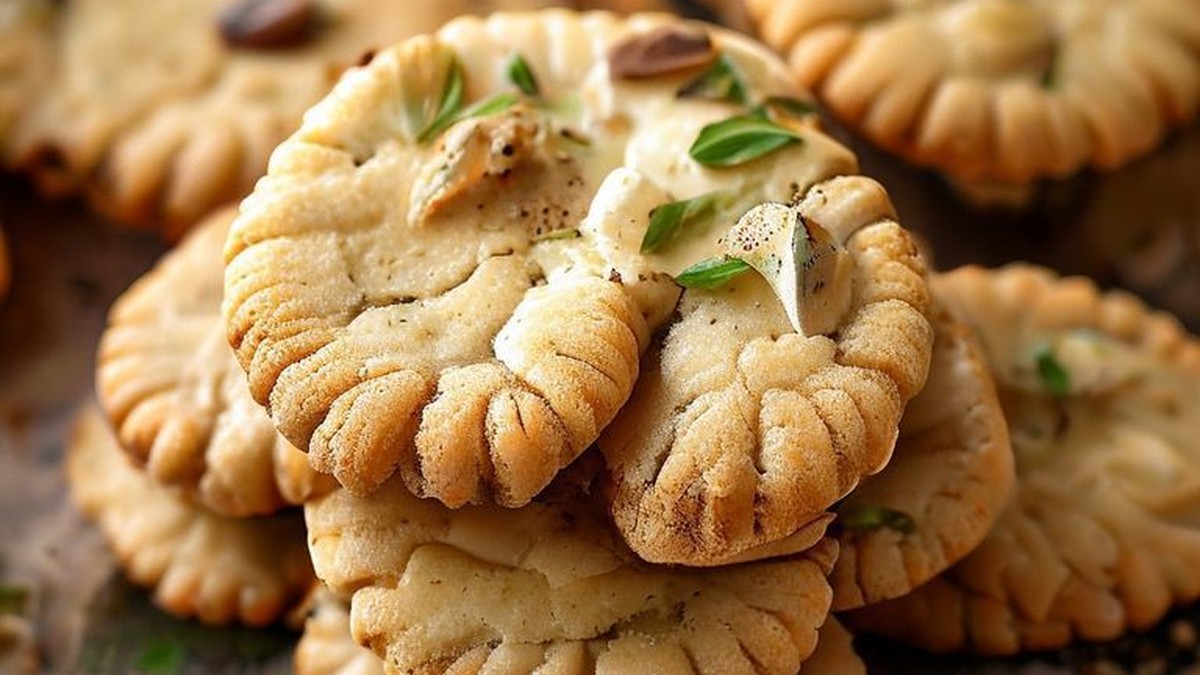
Craving something truly special? Imagine a delicate, buttery aroma filling your kitchen, a scent promising pure, unadulterated comfort. Envision a golden-hued cookie, its surface lightly craggy, hinting at the perfect tender crumb within. This isn’t just any treat; it’s the legendary shortbread cookie, a timeless delight that whispers of tradition and simple perfection.
Picture taking that first bite: a gentle snap, followed by an immediate melt-in-your-mouth sensation as the rich butter yields its velvety texture. The subtle sweetness dances on your palate, a delicate counterpoint to the deep, satisfying warmth of pure butter. There’s no complex fuss, just the harmonious marriage of a few humble ingredients transformed into something extraordinary. This is the ultimate comfort, a sweet escape in every single, perfectly crafted bite. Get ready to embark on a culinary journey to bake the most exquisite shortbread you’ve ever tasted, a recipe destined to become a cherished classic in your home.
Why This Shortbread Cookie Recipe Is a Must-Try
The shortbread cookie stands as a testament to culinary elegance through simplicity. Its universal appeal lies in its pristine flavor profile and incredibly satisfying texture.
💡 You Might Also Like:
Amazing No-Bake Desserts You Can Make Right Now
These cookies are renowned for their rich butteriness, a characteristic that defines their entire essence. They possess a delicate crispness on the exterior, giving way to an astonishingly tender, melt-in-your-mouth interior.
Unlike many other cookies, shortbread focuses on a clean, pure taste, making it an ideal companion for tea or coffee. It’s also incredibly versatile, serving as a perfect base for various toppings or enjoyments on its own.
Preparing shortbread requires only a few pantry staples, making it accessible to any home baker. Despite its minimal ingredient list, the resulting cookie is deeply satisfying and endlessly delicious.
Choosing the Best Ingredients for Perfect Shortbread
The quality of your ingredients directly impacts the final taste and texture of your shortbread cookies. Choosing premium components is not just recommended, it is absolutely essential for this particular recipe.
Butter: The Soul of Shortbread
Unsalted butter is paramount for the best shortbread cookie recipe results, allowing you complete control over the salt content. European-style butters, often boasting a higher butterfat percentage, contribute to an exceptionally rich flavor and a superior, tender crumb.
Ensure your butter is softened to true room temperature, making it pliable but not melted, for optimal creaming with the sugar. Properly softened butter incorporates air effectively, which is vital for the shortbread’s delicate texture.
Flour: The Foundation of Structure
All-purpose flour is the backbone of most shortbread recipes, offering the ideal balance of protein for structure without excessive gluten development. For an even more tender, melt-in-your-mouth shortbread, consider incorporating a small amount of rice flour.
Rice flour is gluten-free and adds a fine grittiness that contributes to the cookie’s signature delicate crumble. Accurate flour measurement, preferably by weight, is non-negotiable to avoid dry, tough cookies.
Sugar: The Touch of Sweetness
Granulated sugar provides the necessary sweetness and a lovely crispness to the shortbread’s edges, contributing to its appealing golden hue. Some recipes opt for confectioners’ sugar (powdered sugar), which results in an even finer, softer texture.
The sugar quantity must be precise; an excess can cause the cookies to spread too much or become overwhelmingly sweet. Sugar also plays a critical role in the Maillard reaction, contributing to the slight browning that signifies a perfectly baked shortbread.
Salt: The Flavor Enhancer
A tiny pinch of fine salt is incredibly important, acting as a flavor amplifier for the rich butteriness of the shortbread. It masterfully balances the sweetness, preventing the cookies from tasting bland or one-dimensional.
Using fine sea salt or kosher salt ensures quick and even distribution throughout your delicate dough mixture. This small addition makes a profound difference in the overall flavor profile of your homemade shortbread.
Ingredients for Your Shortbread Cookie Recipe
| Ingredient | Amount |
|---|---|
| Unsalted Butter, softened | 1 cup (2 sticks / 226g) |
| Granulated Sugar | 1/2 cup (100g) |
| All-Purpose Flour | 2 cups (240g) |
| Fine Sea Salt | 1/2 teaspoon |
| (Optional) Rice Flour | 2 tablespoons (20g) |
Step-by-Step Cooking Instructions
- Preheat your oven to 325°F (160°C). Prepare a baking sheet by lining it with parchment paper.
- In a large mixing bowl, cream together the room temperature unsalted butter and granulated sugar until light and fluffy. This process typically takes about 3-5 minutes with an electric mixer.
- Gradually add the all-purpose flour, optional rice flour, and salt to the butter mixture. Mix on low speed until just combined and a soft dough forms. Be careful not to overmix the dough.
- Turn the dough out onto a lightly floured surface. Gently bring the dough together with your hands, pressing it into a cohesive ball.
- Divide the dough into two equal portions. On a lightly floured surface or between two sheets of parchment paper, roll out one portion of dough to a uniform thickness of about 1/4 inch.
- Using cookie cutters of your preferred shape (rounds, squares, fingers), cut out the shortbread cookies. Carefully transfer them to the prepared baking sheet, leaving about 1 inch between each cookie.
- Gather the dough scraps, gently re-roll them, and cut out more cookies until all the dough is used.
- For classic shortbread, you can prick the tops of the cookies with a fork several times. This helps prevent excessive puffing and creates a traditional look.
- Chill the cut-out cookies on the baking sheet in the refrigerator for 15-30 minutes. This helps maintain their shape during baking.
- Bake the cookies for 18-22 minutes, or until the edges are lightly golden and the centers appear set. The cookies should not brown significantly.
- Remove the baking sheet from the oven and let the cookies cool on the sheet for 5-10 minutes. This allows them to firm up before transferring.
- Carefully transfer the cooled shortbread cookies to a wire rack to cool completely. They will become crispier as they cool.
Chef’s Secrets for the Best Shortbread Cookie Recipe
The Chilling Secret: A Must-Do Step
Many bakers underestimate the power of chilling your shortbread dough. After you roll and cut your cookies, arrange them on your baking sheet and pop them into the refrigerator for at least 15 to 30 minutes before they hit the oven. This crucial step solidifies the butter, significantly preventing the cookies from spreading excessively during baking and ensuring they maintain their crisp, defined edges for that perfect aesthetic and texture.
Mindful Mixing: Avoid Overworking the Dough
When you introduce the flour to your butter and sugar mixture, it’s vital to mix only until the ingredients are just combined. Overmixing is the arch-nemesis of tender shortbread, as it rapidly develops gluten in the flour, leading to a tough, unpleasantly chewy cookie. Aim for a dough that is soft and cohesive, but avoid vigorous kneading or prolonged machine mixing to preserve that signature delicate crumb.
Precision in Rolling: Uniform Thickness is Key
Achieving consistently perfect shortbread relies heavily on rolling your dough to an even thickness throughout. If some areas are thicker than others, they will bake at different rates, resulting in an unevenly cooked batch with varying textures and browning. A rolling pin equipped with thickness guides or using spacers on either side of your dough can be incredibly helpful for maintaining a uniform 1/4-inch thickness.
The Low and Slow Bake: Patience for Perfection
Shortbread cookies truly thrive under a lower oven temperature and a slightly extended baking duration. This gentle heat allows the cookies to dry out and bake through evenly from edge to center without browning too quickly, which would compromise their delicate, pale color and pure buttery flavor. Keep a close eye on the edges; they should just turn a very light golden, while the centers remain pale and set, indicating perfection.
Score Before You Bake (Optional but Classic)
For a truly traditional shortbread finger or round, consider scoring the dough lightly with a knife or fork before baking. This not only adds to the classic aesthetic but can also help guide where the cookies will naturally break, ensuring neat pieces. It’s a small detail that adds an authentic touch to your homemade shortbread.
Storage and Reheating Tips for Shortbread Cookies
Proper storage ensures your shortbread cookies maintain their perfect texture and flavor. Once completely cooled, store shortbread in an airtight container at room temperature.
They will stay fresh and delicious for up to 1 week. Avoid storing them with other types of cookies, as their strong butter flavor can easily be absorbed or transferred.
For longer storage, shortbread freezes beautifully. Place cooled cookies in a single layer on a baking sheet to freeze solid, then transfer to a freezer-safe bag or container.
They can be frozen for up to 3 months without loss of quality. Thaw frozen shortbread at room temperature for a few hours before serving.
Reheating is generally not necessary, as shortbread is best enjoyed at room temperature. If desired, you can warm them briefly in a low oven for a few minutes to refresh their buttery aroma.
Frequently Asked Questions About Shortbread Cookies
Q: Can I use salted butter for shortbread?
A: While unsalted butter is traditionally recommended for better control over salt content, you can use salted butter. If you do, omit the added salt in the recipe to avoid overly salty cookies and ensure a balanced flavor profile.
Q: Why are my shortbread cookies tough?
A: Tough shortbread is usually a sign of overmixing the dough, which develops too much gluten in the flour. Mix only until the ingredients are just combined for a tender result, stopping as soon as the flour disappears into the butter mixture.
Q: How can I prevent my shortbread from spreading too much?
A: Ensure your butter is at room temperature, not melted. Chilling the cut-out dough for 15-30 minutes before baking is also crucial for preventing spread and maintaining crisp, defined shapes.
Q: Can I add flavorings to my shortbread cookies?
A: Absolutely! While classic shortbread is simple, you can add extracts like vanilla or almond for subtle depth. Zest from lemons or oranges, or even a sprinkle of dried lavender, can also offer delightful and aromatic variations to this beloved cookie.
Conclusion: The Ultimate Shortbread Cookie Recipe
Crafting the perfect shortbread cookie is a rewarding experience that combines minimal ingredients with careful technique. This recipe delivers a quintessential shortbread: delicate, buttery, and melt-in-your-mouth delicious every single time.
It’s a timeless treat that brings warmth and joy, perfect for any occasion from a quiet afternoon tea to a festive gathering. We hope this comprehensive guide inspires you to bake a batch of these glorious cookies. Share your creations and let us know your favorite shortbread variations in the comments below!

Hi! I’m the creator of scooks (Simple Cooks).I share easy, practical recipes and simple cooking ideas to help you enjoy everyday home cooking with confidence.
Happy cooking! 🍽️